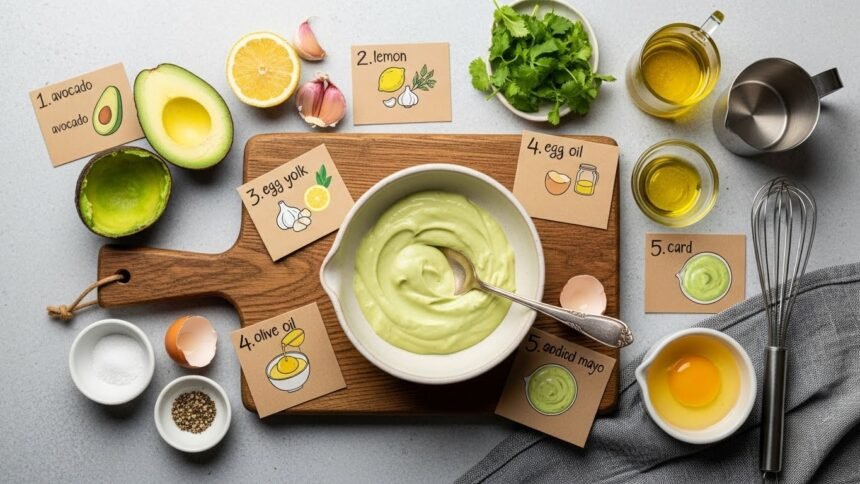
Mayonnaise is one of the most beloved condiments in the Western world, providing a creamy, tangy finish to sandwiches, salads, and chips. However, for those monitoring their health, traditional store-bought mayonnaise can present a dilemma. Often laden with highly processed vegetable oils, added sugars, and artificial preservatives, standard mayonnaise may contribute to inflammation and caloric excess.
Fortunately, there is a nutrient-dense solution that does not compromise on texture or flavour. Learning how to make avocado mayo from scratch allows you to harness the potent health benefits of avocados while eliminating unwanted industrial ingredients.
This article creates an exhaustive guide to preparing this heart-healthy condiment, exploring the nutritional science behind the ingredients and providing a foolproof method for success.
Overview
Traditional mayonnaise is an emulsion of oil, egg yolk, and an acid (usually vinegar or lemon juice). While the concept is simple, the commercial execution often relies on soy, corn, or canola oils. These oils are typically high in Omega-6 fatty acids, which, when consumed in excess relative to Omega-3s, can promote inflammation in the body.
Avocado mayonnaise replaces these inflammatory oils with avocado oil or fresh avocado fruit. Avocados are renowned for their high content of monounsaturated fats, specifically oleic acid, which has been linked to reduced inflammation and improved heart health.
By making this switch, you transform a potentially unhealthy additive into a source of fibre, potassium, and essential vitamins. The process is surprisingly quick, often taking less than five minutes with the correct equipment.
The Problem with Store-Bought Mayo
Before diving into the recipe, it is essential to understand why many health-conscious individuals are moving away from commercial brands. The primary concern lies in the lipid profile of the base ingredients.
The Omega-6 Imbalance
Most standard mayonnaise brands utilise soybean or sunflower oil as the primary ingredient. While these oils are cheap and shelf-stable, they are rich in polyunsaturated fats.
Research indicates that modern Western diets are heavily skewed towards Omega-6 fatty acids. While essential in small amounts, an excessive intake contributes to chronic low-grade inflammation, a precursor to many metabolic diseases.
Additives and Stabilisers
To maintain that perfectly white, gelatinous texture for months on a supermarket shelf, manufacturers add stabilisers such as calcium disodium EDTA and various gums.
Furthermore, many ‘light’ or ‘low-fat’ versions compensate for the lack of fat by adding sugar or high-fructose corn syrup, which can spike blood glucose levels.

The Science of Avocado Benefits
When you learn how to make avocado mayo from scratch, you are essentially creating a supplement in condiment form. Avocados offer a unique nutritional profile that separates them from other fruits.
Heart-Healthy Fats
The majority of fat in avocado is oleic acid, a monounsaturated fatty acid that is also the major component of olive oil. Studies have consistently shown that replacing saturated fats and processed carbohydrates with monounsaturated fats can improve insulin sensitivity and lower bad cholesterol (LDL) levels.
Nutrient Density
Unlike refined oils, using whole avocados or cold-pressed avocado oil retains micronutrients. Avocados are rich in Vitamin K, Folate, Vitamin C, Potassium, and Vitamin E. Vitamin E, in particular, acts as a powerful antioxidant, protecting body tissue from damage caused by free radicals.
Treatment: How to Make Avocado Mayo from Scratch
There are two primary ways to approach avocado mayo: using avocado oil (for a traditional white mayo look and longer shelf life) or using fresh avocado fruit (for a green, creamy, nutrient-packed sauce). Below, we focus on the fresh avocado method for maximum nutrient density, alongside the oil-based emulsion technique.
Method 1: The Fresh Avocado Whole-Food Approach
This version is technically an egg-free creamy sauce that mimics the texture of mayo perfectly. It is ideal for vegans and those avoiding raw eggs.
Ingredients:
- 2 ripe avocados
- 2 tablespoons extra virgin olive oil or avocado oil
- 1 tablespoon fresh lemon juice (acts as a preservative)
- 1 clove garlic, minced
- 1/2 teaspoon sea salt
- 1/4 teaspoon black pepper
Instructions:
- Preparation: Slice the avocados in half, remove the pit, and scoop the flesh into a food processor or high-speed blender.
- Blending: Add the lemon juice, garlic, salt, and pepper. Pulse until the mixture begins to break down.
- Emulsification: With the motor running on low, slowly drizzle in the olive oil or avocado oil. This helps aerate the mixture, creating a fluffy, mayonnaise-like consistency.
- Storage: Transfer to an airtight container. Because this uses fresh fruit, it is best consumed within 2-3 days.
Method 2: The Traditional Emulsion (Avocado Oil)
If you prefer the exact texture and shelf-stability of real mayonnaise, you must use avocado oil and egg.
Ingredients:
- 1 large egg (room temperature is crucial)
- 1 teaspoon Dijon mustard
- 1 tablespoon lemon juice or apple cider vinegar
- 1/4 teaspoon sea salt
- 240ml (1 cup) mild avocado oil
Instructions:
- Combine Base: Place the egg, mustard, acid (lemon/vinegar), and salt into a tall, narrow jar (perfect for an immersion blender).
- Settle: Let the ingredients sit for a minute. The egg should sink to the bottom.
- Pour Oil: Pour the avocado oil on top of the egg mixture.
- The Blend: Place the immersion blender all the way to the bottom of the jar, covering the yolk. Turn it on high. Do not move the blender for the first 20 seconds. You will see white clouds of mayo forming at the bottom.
- Incorporate: Once the bottom is emulsified, slowly tilt and lift the blender to incorporate the remaining oil at the top. The entire process takes about 60 seconds.
Tips for Success
Making mayonnaise involves chemistry. You are forcing oil and water (from the egg and vinegar) to mix permanently. Here are expert tips to ensure stability.
Temperature Matters
Ensure all ingredients are at room temperature. Cold eggs are a common reason for broken mayonnaise (where the oil separates from the base). If your egg is cold, submerge it in warm water for 5 minutes before cracking.
The Mustard is Mandatory
Mustard contains mucilage, a compound that acts as an emulsifier. It helps stabilise the bond between the oil and the liquid. Do not skip it, even if you do not desire a strong mustard flavour.
Fixing ‘Broken’ Mayo
If your mixture turns into a soupy, oily mess, do not discard it. Place a fresh egg yolk in a clean bowl. Slowly whisk the broken mixture into the new yolk, drop by drop. This will re-establish the emulsion.
Flavour Variations
Once you have mastered the base, you can customise the flavour profile:
- Chipotle: Add a pinch of smoked paprika or chipotle powder for a spicy kick.
- Herbed: Blend in fresh dill or chives at the very end.
- Garlic Aioli: Roast the garlic before adding it for a sweeter, mellower depth.
Dietary Suitability
Avocado mayo is incredibly versatile across various therapeutic dietary protocols.
- Keto and Low-Carb: With zero sugar and high healthy fat content, this is a staple for ketogenic dieters.
- Paleo and Whole30: By avoiding industrial seed oils and additives, homemade avocado mayo is compliant with these clean-eating frameworks.
- Gluten-Free: All ingredients are naturally free from gluten.
Storage and Shelf Life
One challenge when learning how to make avocado mayo from scratch is shelf life. Unlike commercial products, homemade versions lack potent preservatives.
Preventing Oxidation
If using fresh avocados (Method 1), the mixture will brown over time due to oxidation. The lemon juice helps delay this. Pressing cling film directly onto the surface of the mayo before sealing the lid can also minimise oxygen exposure.
Refrigeration
- Fresh Avocado Method: Consumed within 48 to 72 hours.
- Avocado Oil Method: Can last up to 2 weeks in the fridge, provided the raw egg used was fresh. Always check for off smells before use.
The Bottom Line
Swapping commercial condiments for homemade alternatives is a powerful step towards better health. Learning how to make avocado mayo from scratch offers a delicious way to increase your intake of monounsaturated fats while avoiding inflammatory seed oils and artificial stabilisers.
Whether you choose the fresh fruit method for a nutrient boost or the oil-emulsion method for a traditional texture, the result is a versatile, heart-healthy addition to your diet. The process is quick, cost-effective, and allows for endless flavour customisation.
By taking control of your ingredients, you ensure that even your indulgences contribute to your overall well-being.