Iron is an essential mineral that plays a pivotal role in your overall health, specifically in the formation of haemoglobin, the protein in red blood cells that carries oxygen from your lungs to the rest of your body. For those following a plant-based or vegetarian diet, securing adequate iron intake can sometimes feel like a balancing act.
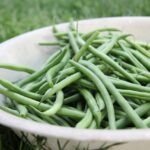
While leafy greens and legumes like lentils often steal the spotlight, green beans are a versatile, accessible, and nutritious addition to your dietary repertoire. Understanding the green bean iron profile can help you optimise your meals for better energy levels and overall vitality.
This article explores the nutritional value of green beans, the science of iron absorption, and practical ways to include them in a balanced diet.
Nutritional Overview of Green Beans
Green beans, also known as string beans or snap beans, are more than just a humble side dish. They are a nutrient-dense vegetable that offers a variety of vitamins and minerals for very few calories. Before diving specifically into iron, it is helpful to look at the broader nutritional context.
A standard 100-gram serving of raw green beans contains approximately:
- Calories: 31
- Protein: 1.8 grams
- Carbohydrates: 7 grams
- Fibre: 2.7 grams
- Vitamin C: 12.2 mg (16% of the Daily Value)
- Vitamin K: 14.4 mcg
- Iron: 1.03 mg
According to the USDA FoodData Central, while green beans are not the highest iron-containing food on the planet, their iron contribution is significant, especially when consumed in adequate quantities. The key to their value lies in their low caloric density; you can eat a larger volume of green beans compared to denser foods like nuts or seeds without consuming excessive energy.
Furthermore, green beans are rich in fibre, which supports digestive health, and Vitamin K, which is crucial for blood clotting and bone health. However, when we focus on green bean iron, we must distinguish between the mere presence of the mineral and how well your body can actually utilise it.
Factors Affecting Iron Status on Plant-Based Diets
To understand the value of green beans, one must first understand the complexity of iron metabolism. Not all iron is created equal, and for vegetarians and vegans, the distinction between haem and non-haem iron is critical.
Haem vs. Non-Haem Iron
Dietary iron comes in two forms:
- Haem Iron: Found exclusively in animal products such as red meat, poultry, and fish. It is highly bioavailable, meaning the body absorbs it easily (roughly 15% to 35% is absorbed).
- Non-Haem Iron: Found in plant foods like green beans, spinach, lentils, and fortified grains. This form is less bioavailable (only about 2% to 20% is absorbed).
Because green beans contain non-haem iron, the body has to work harder to convert it into a usable form. This is why the National Institutes of Health suggests that the recommended dietary allowance (RDA) for vegetarians is 1.8 times higher than for meat-eaters.
The Role of Phytates and Polyphenols
Another factor influencing absorption is the presence of antinutrients. Many legumes contain phytates (phytic acid), which can bind to iron and zinc, preventing their absorption.
However, green beans have an advantage here. Because they are harvested while the bean is still young and the pod is fleshy, they typically contain lower levels of phytates compared to mature, dried legumes like kidney beans or chickpeas. A study published in PubMed highlights how food processing and maturation affect phytate levels, placing green beans in a favourable position for bioavailability compared to harder legumes.
Additionally, polyphenols found in tea, coffee, and wine can inhibit non-haem iron absorption. Drinking these beverages with a meal containing green beans can significantly reduce the amount of iron your body retains.
Management: Maximising Iron Absorption
If you rely on plant sources for your minerals, you must be strategic. You can significantly enhance the bioavailability of green bean iron through simple culinary pairings and preparation methods.
The Vitamin C Synergy
The most potent enhancer of non-haem iron absorption is Vitamin C (ascorbic acid). Vitamin C captures non-haem iron and stores it in a form that is more easily absorbed by your body.
Fortunately, green beans already contain a modest amount of Vitamin C. However, cooking can destroy some of this heat-sensitive vitamin. To maximise absorption, Healthline recommends pairing iron-rich plant foods with high-Vitamin C foods.
Effective pairings include:
- Green beans tossed with lemon juice or zest.
- Adding red peppers (capsicum) to a green bean stir-fry.
- Serving green beans alongside tomatoes or a tomato-based sauce.
- Eating fresh fruit, such as strawberries or oranges, for dessert after the meal.
Cooking Methods Matter
How you cook your green beans affects their nutrient retention.
- Boiling: This is generally the least favourable method for preserving water-soluble vitamins like Vitamin C. Prolonged boiling can leach nutrients into the water.
- Steaming: This preserves more Vitamin C and texture, ensuring the intrinsic absorption helpers remain intact.
- Cast Iron Cooking: An interesting strategy involves using cast iron cookware. Research suggests that cooking acidic foods (like green beans with tomatoes) in a cast iron skillet can increase the iron content of the food, as small amounts of the metal leach into the meal. This phenomenon is supported by findings in the American Journal of Clinical Nutrition.
Avoid Calcium Inhibitors
Calcium competes with iron for absorption. If you are trying to correct an iron deficiency, avoid consuming high-calcium foods (like dairy milk or calcium-fortified plant milks) at the exact same time as your iron-rich lunch or dinner. The British Nutrition Foundation advises separating calcium supplements or high-calcium meals from iron-rich meals by a few hours.

Comparison: Green Beans vs. Other Sources
It is helpful to see how green beans stack up against other common iron sources. While they may not be the “kings” of iron, their low caloric profile makes them an efficient choice.
| Food Source (100g cooked) | Iron Content (approx) | Iron Type | Caloric Density |
|---|---|---|---|
| Green Beans | 1.0 mg | Non-Haem | Low |
| Spinach | 3.6 mg | Non-Haem | Low |
| Lentils | 3.3 mg | Non-Haem | Medium |
| Beef (Minced) | 2.6 mg | Haem | High |
| Tofu | 2.5 mg | Non-Haem | Medium |
| Kidney Beans | 2.2 mg | Non-Haem | Medium |
While spinach appears to have more iron, it is also very high in oxalates, which inhibit absorption. Green beans are lower in oxalates, potentially making their iron more accessible, even if the total count is lower. The Vegan Society highlights the importance of variety, noting that relying on a single source is rarely effective.
Practical Tips for Your Diet
Integrating green beans into your daily routine is simple. Because they are mild in flavour, they adapt well to various cuisines, from British Sunday roasts to Asian stir-frys.
1. The “Blanch and Shock” Method
To retain the bright green colour and the Vitamin C content, drop fresh green beans into boiling water for just 2–3 minutes, then immediately transfer them to a bowl of ice water. This stops the cooking process. You can then add them to salads where their crunch adds texture.
2. Acidic Dressings
Create a vinaigrette using lemon juice or apple cider vinegar. The acidity not only enhances the flavour but actively assists in converting the iron into a soluble form. Mix olive oil, lemon juice, garlic, and black pepper, then toss over warm steamed beans.
3. Mix Your Legumes
For a protein and iron power bowl, mix green beans with other legumes like chickpeas or edamame. This compounds the iron content of the meal. Since green beans are lower in phytates, they help bulk up the meal without adding as much anti-nutrient load as a double portion of dried beans might.
4. Monitor for Deficiency
If you are feeling perpetually tired, pale, or short of breath, you may be experiencing iron deficiency anaemia. According to the World Health Organization, this is a global health issue. Do not rely solely on dietary changes if you have symptoms; consult a GP for blood tests.
5. Supplementation
If diet alone is insufficient to raise your ferritin levels, supplements may be necessary. However, always consult a healthcare professional, as excess iron can be harmful. Information from the Harvard T.H. Chan School of Public Health suggests that high-dose iron supplements can cause gastrointestinal distress, so food-based sources are always the preferred starting point.
The Bottom Line
Green beans are a valuable asset in a plant-based diet, offering a respectable amount of iron alongside fibre, Vitamin K, and Vitamin C. While they do not contain as much iron as red meat or lentils, their low phytate levels and natural Vitamin C content make the green bean iron surprisingly bioavailable compared to other vegetables.
To get the most out of green beans, avoid overcooking them, pair them with extra Vitamin C sources like citrus or peppers, and avoid drinking strong tea or coffee with your meals.
By understanding the nuances of non-haem iron absorption, you can enjoy this crunchy, nutritious vegetable while maintaining healthy energy levels. Whether steamed, sautéed, or tossed in a salad, green beans deserve a regular spot on your plate.
For more detailed guidance on maintaining a balanced diet, resources like the NHS Eatwell Guide offer comprehensive advice for healthy living.