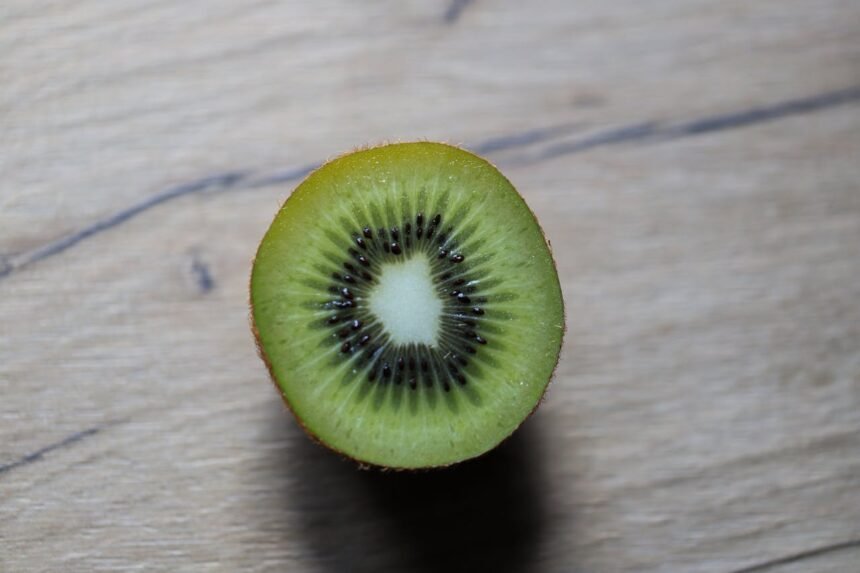
Kiwifruit, often simply called kiwi, is a vibrant addition to any fruit bowl, yet it frequently gets overlooked in favour of apples or bananas. This small, fuzzy fruit—originally known as the ‘Chinese gooseberry’—is a nutritional powerhouse that offers far more than just a tangy flavour profile.
Whether you are looking to boost your immune system, improve your digestion, or simply add a splash of emerald green to your plate, the kiwi is a versatile ingredient. Many people are unsure how to eat kiwi beyond simply slicing it in half and scooping out the flesh, but there are countless ways to enjoy this nutrient-dense food.
Incorporating kiwi into your daily routine can significantly impact your overall health. From its impressive Vitamin C content to its unique enzymes that aid digestion, this fruit is a functional food star. If you have been wondering how to make this fruit a staple in your diet without getting bored, you are in the right place.
This article explores everything you need to know about the nutritional benefits of kiwifruit and provides 10 creative, healthy ways to eat it every day.
Overview: A Nutritional Powerhouse
Before diving into recipes and preparation methods, it is essential to understand why nutritionists and dietitians champion the humble kiwi. This fruit is incredibly nutrient-dense, meaning it provides a high amount of vitamins and minerals relative to its calorie count.
One of the most notable features of the kiwi is its exceptionally high Vitamin C content. In fact, a single kiwi can provide nearly all of your daily recommended intake, surpassing even oranges gram for gram. This makes it a vital tool for maintaining a robust immune system, especially during the colder months.
Furthermore, kiwis are rich in dietary fibre, both soluble and insoluble. This combination is excellent for heart health and digestive regularity. They also contain a good amount of potassium, which helps counteract the effects of sodium in the body and maintain healthy blood pressure levels.
Perhaps the most unique component is actinidin, a natural proteolytic enzyme unique to kiwifruit. This enzyme helps break down proteins in the digestive tract, which can reduce bloating and improve the digestion of protein-rich meals.
According to the NHS Eatwell Guide, fruit and vegetables should make up just over a third of the food we eat each day. Adding kiwi is an easy way to contribute to your 5-a-day target while enjoying a low-calorie treat.
10 Healthy Ways to Incorporate Kiwi
If you are stuck in a rut, try these 10 methods to revitalise your diet with kiwifruit.
1. Eat the Skin (Seriously)
It might sound controversial, but you can absolutely eat the skin of a kiwi. The fuzzy brown exterior is entirely edible and is loaded with additional nutrients. By eating the skin, you increase the fibre content by approximately 50% compared to eating the flesh alone.
Make sure to wash the fruit thoroughly. If the fuzz is off-putting, you can gently scrub it with a vegetable brush or choose the Gold kiwi variety, which has smoother, thinner skin. Eating the skin also reduces food waste and prep time.
2. The Ultimate Green Smoothie
Kiwis add a perfect tartness to green smoothies that can mask the earthiness of spinach or kale. Their high Vitamin C content also aids in the absorption of iron from the leafy greens.
Quick Recipe:
- 2 kiwis (skin on or off)
- 1 handful of spinach
- 1/2 banana (frozen)
- 200ml unsweetened almond milk
Do not over-blend, as crushing the seeds too finely can sometimes release a slightly bitter taste. For more on the benefits of fruit consumption, check out this article on Healthline.
3. Natural Meat Tenderiser
Thanks to the enzyme actinidin, kiwi is a fantastic natural meat tenderiser. This enzyme breaks down the connective tissues in meat without altering the flavour too drastically, unlike vinegar or lemon juice which can be overpowering.
Simply mash a peeled kiwi and rub it over a steak or chicken breast about 15 minutes before cooking. Do not leave it longer than an hour, or the texture of the meat may become too soft. This culinary use is supported by food science research found in PubMed.
4. Zesty Fruit Salsa
Swap out tomatoes for chopped kiwi to create a refreshing salsa that pairs beautifully with fish tacos or grilled chicken. The acidity of the kiwi mimics the role of lime or tomato but adds a unique sweetness.
Combine diced kiwi, red onion, jalapeño, coriander, and a squeeze of lime juice. This provides a low-calorie, high-flavour topping that aligns with advice from Diabetes UK regarding healthy fruit incorporation.
5. Yoghurt and Granola Parfait
Layering sliced kiwi with Greek yoghurt and granola creates a balanced breakfast rich in protein, probiotics, and fibre. The prebiotics in the kiwi fibre help feed the good bacteria in your gut, making this a double-action meal for digestive health.
6. Frozen Kiwi Pops
For a healthy alternative to ice lollies, peel a kiwi, slice it into thick rounds, insert a lolly stick, dipped in a small amount of dark chocolate, and freeze. This is a brilliant way to get children to eat fruit, reducing their intake of added sugars which is a priority for organisations like the British Nutrition Foundation.
7. Oatmeal Topper
Porridge can be heavy, but adding diced kiwi brings a lightness and acidity that cuts through the creaminess of the oats. Add the kiwi after cooking the oats. If you cook kiwi with milk, the actinidin enzyme can break down milk proteins and cause the mixture to curdle or turn bitter quickly.
8. Kiwi-Chia Jam
Store-bought jams are often laden with sugar. You can make a raw ‘jam’ by mashing ripe kiwis with chia seeds. The chia seeds absorb the fruit juices and create a gel-like consistency within an hour.
Spread this on wholemeal toast for a heart-healthy snack. This aligns with advice from the British Heart Foundation regarding choosing whole fruits over sugary preserves.
9. Savoury Salad Component
Kiwis are not just for fruit salads. They pair exceptionally well with bitter greens like rocket (arugula), walnuts, and feta cheese. The sweetness of the kiwi balances the peppery leaves and the salty cheese. Use a balsamic glaze to tie the flavours together.
10. Bedtime Snack
Interestingly, eating kiwi might help you sleep. Some studies suggest that the serotonin content in kiwis can aid in sleep onset and duration. Eating one or two medium kiwis an hour before bed could be a natural way to improve rest, a topic explored by the Sleep Foundation.
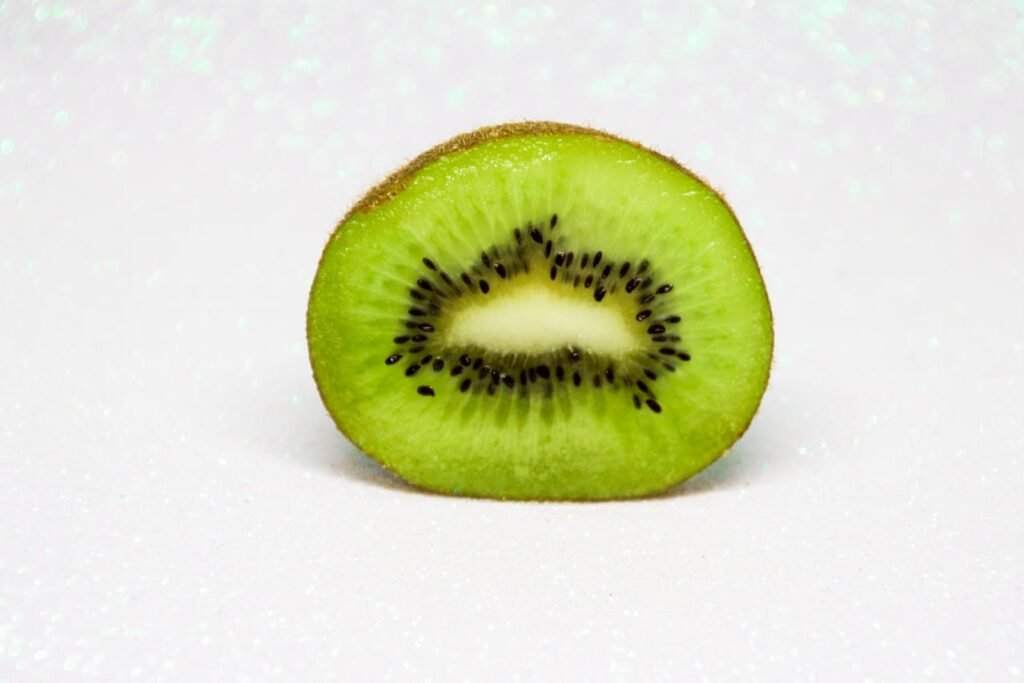
Nutritional Breakdown
Understanding exactly what you are putting into your body is crucial for dietary management. Below is the nutritional profile for a standard serving of kiwifruit.
| Nutrient | Amount per 100g (approx. 1 large kiwi) |
|---|---|
| Calories | 61 kcal |
| Carbohydrates | 14.7 g |
| Sugar | 9 g |
| Fibre | 3 g |
| Protein | 1.1 g |
| Fat | 0.5 g |
| Vitamin C | 93 mg (155% DV) |
| Vitamin K | 40.3 mcg (50% DV) |
Source: Data aligned with nutritional standards from GOV.UK.
Frequently Asked Questions
Is it safe to eat kiwi seeds?
Yes, kiwi seeds are completely edible. They are small, crunchy, and contain healthy fats (Omega-3s). They pass through the digestive system easily and add a pleasant texture to the fruit.
Can kiwifruit cause allergies?
Yes, kiwi is a known allergen for some people. It is often associated with Oral Allergy Syndrome (OAS), where people sensitive to birch pollen or latex may experience an itchy mouth or throat after eating kiwi. If you experience severe symptoms, consult a GP. For more information, visit Anaphylaxis UK.
How many kiwis should I eat a day?
While there is no strict limit, eating one to three kiwis a day is generally considered safe and beneficial for most people. This amount provides sufficient Vitamin C and fibre without leading to excessive sugar intake. However, due to their laxative effect, eating too many at once might cause digestive discomfort.
Which is better: Green or Gold kiwi?
Both are excellent, but they differ slightly. Green kiwis are higher in fibre and have the enzyme actinidin, making them better for digestion. Gold kiwis contain even more Vitamin C and have a smoother, sweeter taste with less acidity. Your choice should depend on your flavour preference and specific health goals, such as those outlined by Medical News Today.
The Bottom Line
Kiwifruit is a versatile, nutrient-dense addition to any diet. Whether you choose to slice it over your morning porridge, blend it into a smoothie, or brave eating the fuzzy skin for extra fibre, the benefits are undeniable.
Rich in Vitamin C, potassium, and digestive enzymes, this fruit supports immune function and gut health in a way few other foods can. By experimenting with the how to eat kiwi ideas listed above, you can move beyond the spoon-and-scoop method and enjoy this tropical delight in savoury and sweet dishes alike.
Always listen to your body, and if you have a history of food allergies, introduce new foods with caution. For more healthy recipe inspiration, you can always visit BBC Good Food.