


For decades, gardeners have relied on peat moss to retain moisture and improve soil structure. However, as environmental concerns regarding peat bog depletion rise, the horticultural world has turned its eyes toward a more eco-friendly champion: coconut peat mulch. Also known as coco coir or coir pith, this byproduct of the coconut industry is transforming how we manage garden health.
Whether you are battling compacted clay or sandy soil that drains too quickly, coconut peat offers a versatile solution. It acts as a coco coir soil amendment, enhancing root health and water efficiency without the environmental cost of traditional peat. Understanding how to utilise this material effectively can dramatically shift the productivity of your vegetable patch or flower beds.
This article explores the science behind coconut peat mulch, diagnosing soil issues it can resolve, and providing a step-by-step guide on incorporating it into your gardening routine.
Overview
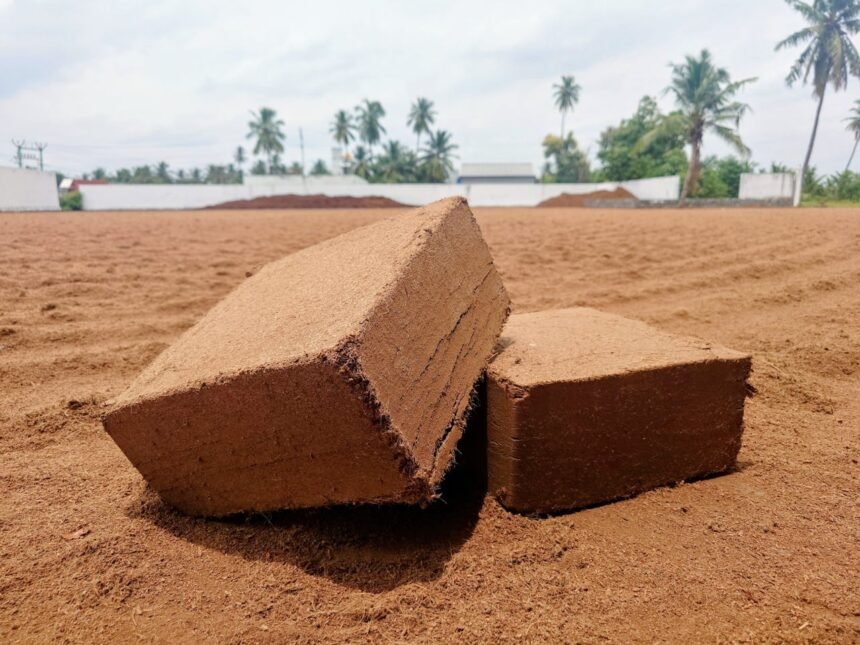
Coconut peat mulch is the dust and fibrous material derived from the husks of coconuts. It is a natural byproduct of the fibre extraction process. Historically considered waste, it is now recognised as a premium sterile soil conditioner. Unlike garden compost, which provides nutrients but decomposes rapidly, coconut peat is largely lignin-based, meaning it decomposes slowly and provides long-lasting structure to the soil.
It is often sold in compressed bricks that expand significantly when water is added. As a ph neutral gardening medium (typically ranging between 5.5 and 6.8), it is far easier to manage than acidic peat moss, which often requires the addition of lime to balance soil pH.
Furthermore, for those interested in sustainable living: why every kitchen needs a coconut shell bowl and other eco-friendly practices, switching to coir mulch aligns perfectly with a zero-waste lifestyle. It repurposes a waste product that would otherwise be discarded, making it a truly sustainable peat moss alternative.
Symptoms of Poor Soil Structure and Causes
Before applying treatments, it is vital to recognise the signs that your garden soil is struggling. Soil health is the foundation of plant immunity; without a healthy structure, plants become susceptible to disease and drought stress.
Signs of Soil Distress
- Rapid Drying: If your soil becomes bone-dry mere hours after watering, you likely have sandy soil. This inability to hold moisture stresses plant roots. Water retention in sandy soil is a primary challenge for many coastal gardeners.
- Puddling and Compaction: Conversely, if water sits on the surface or the ground feels like concrete, you are dealing with clay heavy soil. This prevents soil aeration for root growth, leading to root rot.
- Nutrient Deficiencies: Yellowing leaves often indicate that nutrients are leaching away before the plant can access them. This is often due to poor Cation Exchange Capacity (CEC).
Why Soil Structure Fails
Soil structure often degrades due to a lack of organic matter. In many modern gardens, the topsoil is thin and lacks the “sponge” factor necessary to hold water and nutrients. While chemical fertilisers provide a quick fix, they do not improve the soil’s physical properties or nutrient holding capacity over time.
Furthermore, using heavy machinery or walking on wet soil contributes to compaction. To remedy this, one needs a material that resists compression. This is where coco peat vs peat moss comparisons become important; coir fibres are tougher and maintain air pockets in the soil longer than peat moss, which can degrade into a slime-like consistency over time.
Understanding your soil’s composition is key. For more insights on plant care and substrates, you might explore how to grow and care for your own coconut bonsai tree, where soil drainage is a matter of life and death for the plant.
Treatment and Management: Using Coconut Peat
Correctly applying coconut peat mulch involves more than simply throwing it onto the ground. It requires preparation and an understanding of ratios to function as an effective organic gardening substrate.
Preparation and Rehydration
Most coconut peat is sold in compressed blocks. Rehydrating coconut coir bricks is the first step in the treatment plan.
- Soak: Place the brick in a large container (a wheelbarrow is ideal). Add warm water to speed up expansion. A 5kg block can absorb up to 15-20 litres of water.
- Fluff: Allow it to sit for 15-30 minutes. Break apart any clumps with a garden fork. The material should be fluffy and moist, similar to the texture of ground coffee.
- Rinse (Crucial): Some lower-quality coir can have high salt content. It is advisable to rinse the expanded coir to flush out excess sodium, which can harm sensitive plants. This is similar to ensuring purity in food; just as you might research finding the best coconut aminos substitute for your cooking, you must ensure your soil inputs are pure.
Application Methods
1. As a Soil Amendment:
To improve structure, mix the hydrated coir into your existing soil. A 50/50 mix is often used for potting, but for garden beds, aiming for 20-30% coir content is sufficient to aid preventing soil compaction.
- For Clay Soil: The fibrous nature of coir forces clay particles apart, improving clay soil drainage and allowing oxygen to reach the root zone.
- For Sandy Soil: It acts as a sponge. Coir can hold up to 10 times its weight in water, drastically reducing the frequency of irrigation required.
2. As a Top Mulch:
Apply a 2-3 inch layer of hydrated coir around the base of your plants. This serves as a biodegradable garden mulch. It insulates the soil, suppresses weeds, and prevents rapid evaporation. For ornamental plants, this pairs well with the strength and durability of coconut fiber rope in gardening, used to tie up taller stems while maintaining a natural aesthetic.
3. In Hydroponics:
Because it is sterile and inert, coir is a top choice for hydroponic growing media. It provides the perfect balance of moisture and air for roots suspended in nutrient solutions.
Biological Enhancements
Unlike sterile mediums that remain lifeless, coir is an excellent host for beneficial fungi. Many gardeners introduce trichoderma in coco peat. Trichoderma is a beneficial fungus that colonises plant roots and protects them from pathogenic fungi. You can think of this biological activity similarly to a guide to making probiotic-rich coconut milk kefir at home—it is about cultivating the right “good” bacteria (or fungi) for a healthy ecosystem.
Additionally, some gardeners mix biochar with coir to create a super-charged soil amendment. While you might wonder does coconut charcoal teeth whitening actually work?, the agricultural version of coconut charcoal (biochar) is scientifically proven to house microbes and lock carbon in the soil for centuries.

Tips for Success
To get the most out of your coconut peat mulch, follow these practical tips:
- Monitor Moisture Levels: Because the surface of coir can look dry while the underneath remains wet, use a finger test before watering. This is analogous to hydration in humans; for a deep dive on hydration science, read the ultimate guide to using coconut water powder for hydration.
- Add Nitrogen: While coir decomposes slowly, it can temporarily lock up nitrogen. It is wise to use a slow-release organic fertiliser when mixing it into the soil. Think of this balance like cooking; just as you learn how to use coconut cream powder in your daily recipes to get the perfect consistency, you must balance carbon (coir) and nitrogen (fertiliser) for the perfect soil recipe.
- Combine with Chips: For plants that need extra aeration, such as orchids or aroids, mix fine coir peat with larger husk chips. Learn more about this specific texture in our article on the benefits of using coconut husk chips for orchid potting.
- Check pH Levels: While generally neutral, the pH can vary between brands. Periodic soil testing is recommended. This is a chemical balancing act, much like understanding acidity in foods—see our piece on exploring the health and digestive coconut vinegar benefits for a primer on how acidity works, albeit in a dietary context.
- Composting Accelerator: You can mix dry coir into your compost bin to balance out wet “green” waste (like food scraps). Speaking of food scraps, understanding a detailed look at raw coconut meat nutrition and health facts can help you decide what kitchen waste goes into the compost versus what you should eat!
- Microbial Food: To kickstart microbial life in your coir-amended soil, adding a carbohydrate source like molasses is common. While we ask is coconut sugar keto friendly? for our diets, for soil microbes, sugar is high-energy fuel that speeds up colonisation.
The Bottom Line
Coconut peat mulch is more than just a trend; it is a highly effective, renewable resource that solves ubiquitous gardening problems. By offering superior water retention and aeration, it addresses the root causes of poor plant growth rather than just treating the symptoms.
Whether you are using it to break up heavy clay or as a hydroponic growing media, coir provides a versatile, pathogen-free foundation for your garden. It is a sterile, reliable, and eco-conscious choice that outperforms peat moss in almost every metric.
By switching to coir, you are not only improving your garden’s yield but also contributing to a reduction in carbon emissions associated with peat mining. It is a small change in your gardening routine that yields significant results for both your plants and the planet.
Additional Resources
- Royal Horticultural Society (RHS): Peat-free gardening
- University of Florida IFAS: Coir Dust as a component of potting media
- Washington State University: The Myth of Drainage Material
- Oregon State University Extension: Improving Garden Soil with Organic Matter
- USDA Natural Resources Conservation Service: Soil Biology and Land Management
- University of Massachusetts Amherst: Soil Testing and interpretation
- North Carolina State Extension: Potting Soil and Media
- Environmental Protection Agency (EPA): Composting at Home
- Kew Royal Botanic Gardens: Guide to peat-free compost
- Permaculture Research Institute: The versatility of Coconut Coir



free. no deposit bonus for true fortune casino free. no deposit bonus for true fortune casino .