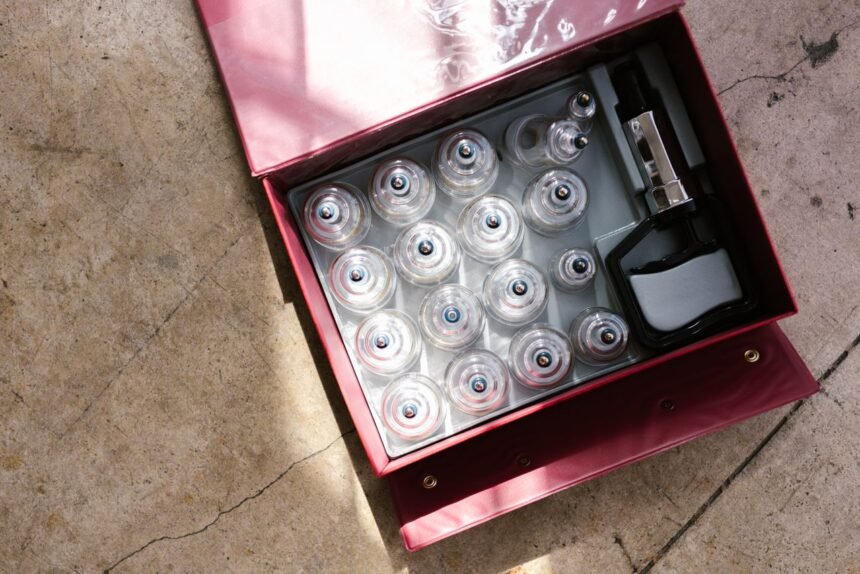
If you have watched the Olympics in recent years or follow wellness influencers on social media, you have likely noticed the distinctive circular purple marks on the backs and shoulders of elite athletes. These marks are the tell-tale sign of cupping therapy, an ancient practice that has found a thoroughly modern audience. While traditionally performed by acupuncturists or physical therapists, the market is now flooded with at-home options. But is purchasing a cupping set actually a viable solution for chronic muscle pain, or is it merely a passing wellness trend?
In this article, we analyse the effectiveness of at-home cupping, how it works physiologically, and safety considerations you must keep in mind before attempting DIY cupping risks.
Overview: From Ancient Roots to Modern Recovery
Cupping therapy is not a new invention. It is one of the oldest Chinese medicine techniques in existence, dating back thousands of years. Historically, practitioners used cattle horns or bamboo cups. Today, the practice has evolved significantly. While professional therapists might still use glass cups and fire to create suction (fire cupping), the at-home market is dominated by silicone cupping therapy sets and plastic pump-action kits.
The premise remains the same: creating a vacuum on the skin to draw tissue upward. This is often referred to clinically as myofascial decompression. Unlike massage, which presses down into the muscle, cupping pulls the muscle and fascia up. This unique mechanism is why many chronic pain sufferers, who find little relief from standard compression, are turning to this modality.
For those interested in holistic approaches to body alignment, cupping often complements other tools. For instance, if you are struggling with upper body stiffness, you might also look into Relieving neck tension with a neck cloud: What you need to know.
Understanding Chronic Muscle Pain and Stagnation
Chronic muscle pain differs from acute pain; it persists long after an injury has healed or arises from ongoing stress and poor posture. According to the National Health Service (NHS), chronic pain affects a significant portion of the adult population, often requiring a multifaceted management approach.
In the context of Traditional Chinese Medicine (TCM), chronic pain is often attributed to stagnant blood flow or “qi” blockages. When circulation is poor, metabolic waste products accumulate in the muscle tissue, leading to stiffness and knots. Western physiology offers a parallel explanation: tight fascia (connective tissue) can restrict blood flow and compress nerves, leading to pain.
The Role of Fascia
Fascia is the connective tissue that surrounds muscles, blood vessels, and nerves. When it becomes tight or adhered due to inflammation or trauma, it can cause significant discomfort. Deep tissue stimulation provided by a cupping set targets these adhesions. For a deeper understanding of connective tissue health, Harvard Health Publishing offers excellent resources on the role of fascia in chronic pain.
If your chronic pain stems from skeletal misalignment, you might also be exploring devices like back crackers. It is worth reading Are back cracker devices safe for spinal alignment and tension relief? before adding them to your routine.
How an At-Home Cupping Set Works
When you apply a cup to the skin and create a vacuum—either by squeezing a silicone cup or using a suction gun on a plastic cup—the skin and superficial muscle layers are drawn upward. This suction causes several physiological responses:
- Vasodilation: The blood vessels widen, flooding the area with fresh, oxygenated blood.
- Decompression: The lifting action separates fused tissue layers (fascia and muscle).
- Neural Sedation: The sensation can have a calming effect on the nervous system, potentially lowering pain perception.
This process is essentially a suction cup massage. Many users report that this reverse-pressure feels vastly different from a foam roller or deep tissue massage. It is particularly popular among those looking for muscle knot relief in hard-to-reach areas like the trapezius or lower back.
Types of At-Home Sets
- Silicone Cups: Pliable and easy to use. You simply squeeze them, place them on the skin, and release. These are excellent for “gliding cupping” (moving the cup around).
- Plastic Pump Sets: These use a hand pump to extract air. They provide stronger, stationary suction but are harder to glide.
- Facial Sets: A smaller facial cupping kit is designed for delicate skin, often marketed for collagen production rather than deep muscle pain.
Treatment and Management: Using Your Set Safely
Effectiveness relies heavily on proper usage. If you are using a cupping set for athletic recovery tools, the protocol might differ slightly from treating chronic back pain.
Step-by-Step Guide
- Lubrication: Never apply cups to dry skin. Use a high-quality oil or lotion to ensure a seal and allow for movement. Interestingly, some people use castor oil for its anti-inflammatory properties; learn more in How to use a castor oil pack for digestive health and detoxing.
- Application: Squeeze the cup (or pump) and place it on the target area. Do not leave it in one spot for too long—3 to 5 minutes is sufficient for beginners.
- Removal: Break the seal gently by pressing the skin down next to the rim. Do not yank the cup off.
While cupping deals with physical tension, systemic relaxation is also vital for recovery. You might consider checking Does magnesium spray help with muscle recovery and better sleep? as a complementary therapy.
What About the Marks?
One of the most common concerns regarding this therapy is the cupping marks meaning. These circular discolourations are not bruises in the traditional sense (which are caused by impact trauma). Instead, they are the result of broken capillaries and the extravasation of blood into the tissue. In TCM, the darkness of the mark indicates the level of stagnation. Cleveland Clinic notes that these marks usually fade within a week and are generally harmless, though they can look alarming.
Effectiveness: What the Science Says
Is it just a placebo? Not necessarily. The National Center for Complementary and Integrative Health (NCCIH) states that while research is ongoing, there is evidence to suggest cupping can help with pain management. A study published in PLOS ONE found that cupping therapy could be effective in treating the pain and disability associated with chronic neck pain and low back pain.
Furthermore, the vacuum therapy benefits extend beyond just pain relief. Some proponents suggest it aids in lymphatic drainage boost, helping to move fluids and reduce swelling. This is similar to the principles behind The benefits of using a copper water bottle for daily hydration, where the goal is optimizing internal bodily functions.
However, it is crucial to manage expectations. Cupping is rarely a “cure-all.” It is a management tool. For issues like cellulite, some claim cellulite reduction therapy via cupping is effective, though scientific evidence for this specific aesthetic claim is thinner than for pain relief.
Safety and Precautions
While generally safe, at-home cupping is not without risks. Hijama therapy at home (wet cupping involving bloodletting) should never be performed by an untrained individual due to infection risks. Stick to dry cupping.
Avoid cupping if you have:
- Skin conditions (eczema, psoriasis).
- Bleeding disorders.
- Sunburn or open wounds.
Also, be mindful of over-treatment. Doing it too frequently can damage the skin. If you are exploring other skin-safe wellness trends, you might be interested in Everything you need to know before using a foot peel mask at home, which also requires careful adherence to safety instructions.
For those with sensitive systems, ensuring your overall environment is conducive to health is key. Just as you might use Grounding sheets: The science behind earthing for physical wellness to reduce inflammation, ensure your cupping practice is gentle.
Tips for Maximising Relief
To get the most out of your cupping set, integrate it into a broader wellness routine.
- Hydrate: Cupping moves lymphatic fluid. Drinking water helps flush your system. This is a principle shared with many detox practices.
- Combine with Heat: Using a heat pack before cupping can soften the muscles.
- Address Sleep: Chronic pain often ruins sleep. Consider tools like Mouth tape for better sleep: Benefits and safety considerations or a Can a nasal dilator improve your breathing and deep sleep quality? to ensure you are resting enough to heal.
- Nutrition: Tissue repair requires nutrients. Supplements can play a role; for example, read about The nutritional benefits of beef liver pills: A comprehensive overview.
If you are looking for anxiety relief which often accompanies chronic pain, acupressure might be a gentler alternative. See A guide to ear seeds: Do they really help with stress and anxiety?.
Finally, for those dealing with sinus-related headaches which can mimic muscular tension headaches, ensure your airways are clear. How to safely use a neti pot for sinus relief and congestion is a great guide for this.
The Bottom Line
An at-home cupping set can be a valuable addition to your pain management toolkit, particularly for chronic muscle tension and myofascial restriction. The ability to perform suction cup massage on yourself empowers you to manage flare-ups without waiting for a professional appointment. While not a magic bullet, the vacuum therapy benefits regarding blood flow and tissue decompression are supported by both historical use and emerging science.
Always prioritize safety, start with gentle suction, and consult a healthcare professional if your pain persists. For more on integrative health approaches, the Mayo Clinic provides a comprehensive overview of what to expect from integrative medicine.
Whether you are an athlete looking for athletic recovery tools or simply someone trying to alleviate the ache of a desk job, cupping offers a low-risk, high-reward potential for relief. Just remember to keep your other health habits, like oral hygiene—Why using a tongue scraper should be part of your oral hygiene routine—and sleep hygiene in check for total body wellness.
Sources: