If you are living with Irritable Bowel Syndrome (IBS), you likely understand the daily challenge of navigating your diet. The fear of triggering uncomfortable symptoms like bloating, gas, and abdominal pain can make mealtime stressful rather than enjoyable. Finding fruits that are both nutritious and gentle on the digestive system is often a significant hurdle for many.
While many fruits are high in fructose—a common trigger for digestive issues—others are surprisingly gut-friendly. This brings us to the kiwifruit. Often praised as a nutritional powerhouse, many sufferers ask: is kiwi safe for IBS? The answer is promising, but understanding the why is essential for managing your condition effectively.
In this article, we will explore the science behind kiwifruit and IBS, analysing its FODMAP content, its benefits for digestion, and how you can safely incorporate it into your routine without fear of a flare-up. We will rely on evidence-based advice to help you make informed decisions about your gut health.
Understanding IBS and the Low FODMAP Diet
To understand why kiwi might be a safe option, we must first look at the mechanism of IBS triggers. The most effective dietary intervention for IBS is the low FODMAP diet, developed by researchers to reduce the intake of specific carbohydrates that are poorly absorbed in the small intestine.
FODMAP stands for Fermentable Oligosaccharides, Disaccharides, Monosaccharides, and Polyols. When these short-chain carbohydrates reach the large intestine, they are fermented by bacteria, producing gas and drawing water into the bowel. This process leads to the classic symptoms of IBS.
According to the NHS regarding IBS symptoms, dietary adjustments are often the first line of defence. However, navigating which fruits contain high levels of fructose (a Monosaccharide) or sorbitol (a Polyol) can be confusing.
Why Fruit Can Be Tricky
Many common fruits, such as apples, pears, and ripe bananas, are high in FODMAPs. For example, apples contain high levels of fructose and sorbitol, which can cause significant distress for sensitive individuals. This often leads patients to cut out fruit entirely, missing out on vital nutrients and fibre.
Fortunately, exclusion isn’t the only way. As noted in a comprehensive Healthline guide to the low FODMAP diet, the goal is to swap high FODMAP foods for low FODMAP alternatives, rather than eliminating entire food groups. This is where the humble kiwi shines.
Nutritional Profile of Kiwifruit
Kiwifruit is distinct among fruits for its low fermentability. Unlike stone fruits or apples, kiwis have a balanced ratio of glucose to fructose. This balance is crucial because glucose helps facilitate the absorption of fructose in the small intestine, preventing it from lingering and fermenting in the gut.
Experts at the British Dietetic Association frequently highlight the importance of choosing fruits that do not overload the gut with excess fructose. Kiwis fit this profile perfectly, making them a staple in many IBS management plans.
The Science: Why Kiwi is Low FODMAP
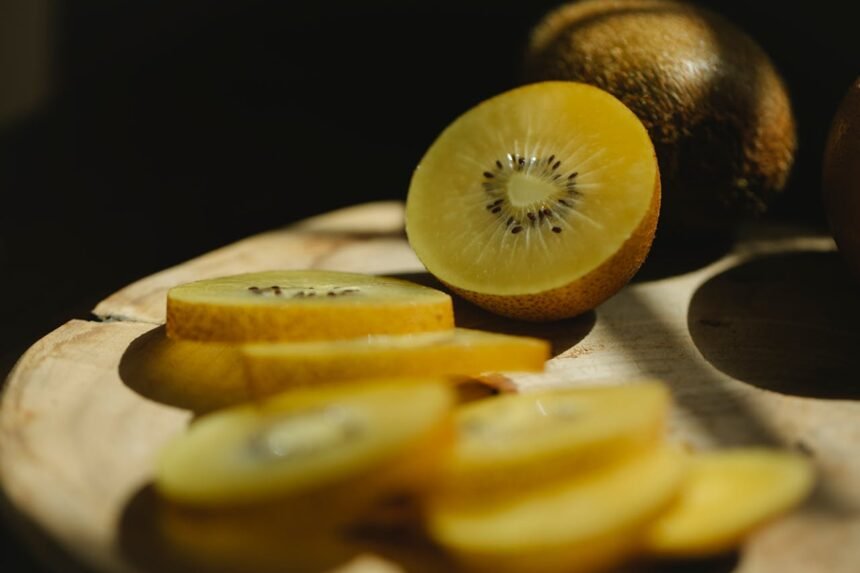
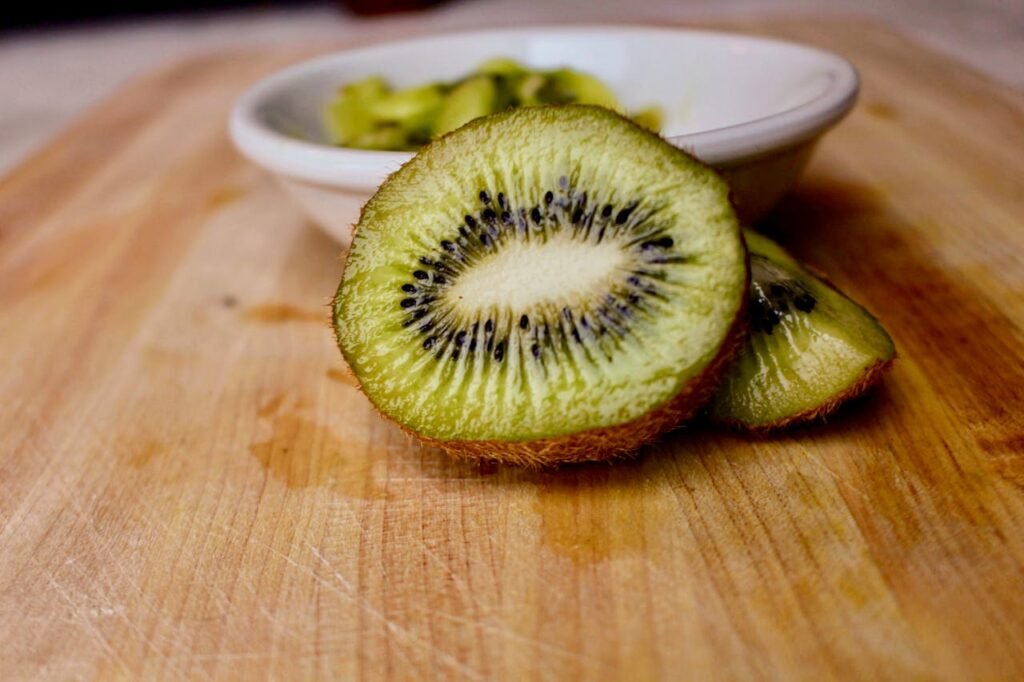
Rigorous testing by researchers, including those referenced by Kings College London, confirms that kiwifruit remains low FODMAP even in standard serving sizes. This applies to both the green (Hayward) and gold (SunGold) varieties.
A standard serving of two small kiwifruits (approximately 150g) is considered safe for most people during the elimination phase of the low FODMAP diet. This allows you to enjoy the sweet, tangy flavour without the anxiety of impending bloating.
The Power of Actinidin
Beyond simply being “safe,” kiwifruit actively supports digestion. Green kiwifruit contains a unique natural enzyme called actinidin. This enzyme aids in the breakdown of proteins in the stomach and small intestine, potentially facilitating gastric emptying.
For those suffering from IBS-C (IBS with constipation), this is particularly beneficial. Research suggests that regular consumption of kiwi can increase bowel frequency and improve stool consistency. A study highlighted by Guts UK suggests that natural food sources should be prioritised over laxatives where possible. Actinidin works gently, avoiding the harsh cramping associated with stimulant laxatives.
Fibre Content and Bowel Regularity
Fibre is a double-edged sword for IBS sufferers. Too little leads to constipation; too much (or the wrong type) leads to bloating. Kiwifruit offers a unique combination of soluble and insoluble fibre that has a high water-holding capacity.
According to Nutrition.org.uk, increasing fibre intake is essential for gut health, but it must be done carefully. The fibre in kiwi swells in the gut, softening the stool and adding bulk, which helps move waste through the digestive tract more comfortably.
Furthermore, the cell walls of the kiwi fruit retain water effectively, which hydrates the stool. This mechanism is notably distinct from fibre supplements like wheat bran, which can often aggravate sensitive guts. Clinical trials suggest that eating two kiwis a day can be as effective as fibre supplements for treating chronic constipation, with fewer side effects.
Diagnosis and Treatment: Where Kiwi Fits In
If you have been diagnosed with IBS, your GP or dietitian has likely suggested a management plan involving diet, stress reduction, and possibly medication. The inclusion of kiwi can be viewed as a “functional food” approach—using whole foods to achieve a medicinal effect.
It is vital to consult authoritative sources when planning your diet. Resources from Patient.info emphasise that dietary changes should be sustainable. Kiwi is affordable, widely available in the UK, and requires no preparation, making it an excellent adherence tool for patients struggling with complex dietary restrictions.
Comparing Fruits: What is Safe?
To help you visualise where kiwi stands in the hierarchy of fruit safety for IBS, we have compiled a comparison of common fruits. This data helps in making quick decisions at the supermarket.
| Fruit Variety | FODMAP Status | Primary Trigger | Safe Serving Size |
|---|---|---|---|
| Kiwifruit | Low | None (Balanced) | 2 small fruits (150g) |
| Apple | High | Fructose & Sorbitol | None (Elimination phase) |
| Pear | High | Fructose & Sorbitol | None (Elimination phase) |
| Banana (Unripe) | Low | None | 1 medium fruit |
| Banana (Very Ripe) | High | Fructans | 1/3 medium fruit |
| Strawberries | Low | None | 5 medium berries |
| Watermelon | High | Fructose, Mannitol | None (Elimination phase) |
| Blueberries | Moderate | Fructans | 40g (approx. a handful) |
Note: Individual tolerance varies. Always reintroduce foods slowly.
Tips for Management and Incorporation
Incorporating kiwi into your daily routine is straightforward, but there are best practices to maximise benefits while minimising risks.
1. Watch Your Portion Size
While kiwi is low FODMAP, portion control is still necessary. Eating a kilogram of any fruit would overload your system with fructose. Stick to the recommended serving of two fruits per sitting. If you wish to eat more, space your servings out by 3 to 4 hours to allow your digestive system to process the sugars.
2. Mind the ‘FODMAP Stacking’
“Stacking” occurs when you eat multiple low FODMAP foods in one sitting that, when combined, result in a high FODMAP load. If you add kiwi to a smoothie that also contains half a banana and a handful of berries, the total fructose load might trigger symptoms. BBC Good Food offers excellent advice on balancing ingredients to avoid this cumulative effect.
3. Eat the Skin (Optional)
Did you realise you can eat the skin of a kiwi? The skin contains a significant amount of the fruit’s fibre and antioxidant content. If the texture of the green variety is too fuzzy for you, try the SunGold variety, which has smoother, thinner skin. Thorough washing is essential to remove any potential irritants or pesticides.
4. Timing Matters
For those using kiwi to manage constipation, consistency is key. Try eating your two kiwis at breakfast. The morning is often when the bowel is most active due to the “gastrocolic reflex.” Combining this with a warm drink can stimulate movement effectively.
Frequently Asked Questions
Is Gold Kiwi better than Green Kiwi for IBS?
Both varieties are low FODMAP and safe for IBS sufferers. However, green kiwis contain higher levels of actinidin, making them slightly more effective for treating constipation. Gold kiwis contain fewer enzymes but are equally nutritious and often sweeter, which some patients prefer.
Can I eat dried kiwi?
Proceed with caution. Dried fruit is highly concentrated in sugar. The dehydration process shrinks the volume, making it easy to overeat. A safe serving of fresh kiwi (150g) is voluminous; the equivalent in dried fruit would be much smaller. Additionally, dried fruits often contain added high-FODMAP fruit juices or sulphites.
Will kiwi help with IBS-D (Diarrhoea)?
While kiwi is famous for helping constipation, it is generally safe for IBS-D as well because it is not a stimulant. However, the high fibre content might increase motility. If you have severe diarrhoea, start with one kiwi to test your tolerance, or consult guidance from The IBS Network regarding fibre modification.
Are the seeds safe?
Yes, kiwi seeds are tiny and generally pass through the digestive system without causing irritation. They are not linked to diverticulitis or gut irritation in the same way larger seeds sometimes are.
The Bottom Line
Living with IBS requires a delicate balance of avoiding triggers while ensuring you receive adequate nutrition. Kiwifruit stands out as a rare “superfood” in the context of digestive health. It is not only safe due to its low FODMAP status but also therapeutically beneficial thanks to its unique fibre profile and the enzyme actinidin.
For most people, eating two kiwifruits a day can significantly improve bowel regularity and reduce bloating, serving as a delicious, natural alternative to harsh laxatives. As with all dietary changes, start slowly and monitor your symptoms.
Always rely on trusted medical advice. For more detailed information on managing your diet, reliable sources such as GOV.UK’s Eatwell Guide provide broader context for a balanced lifestyle alongside your IBS management strategy.