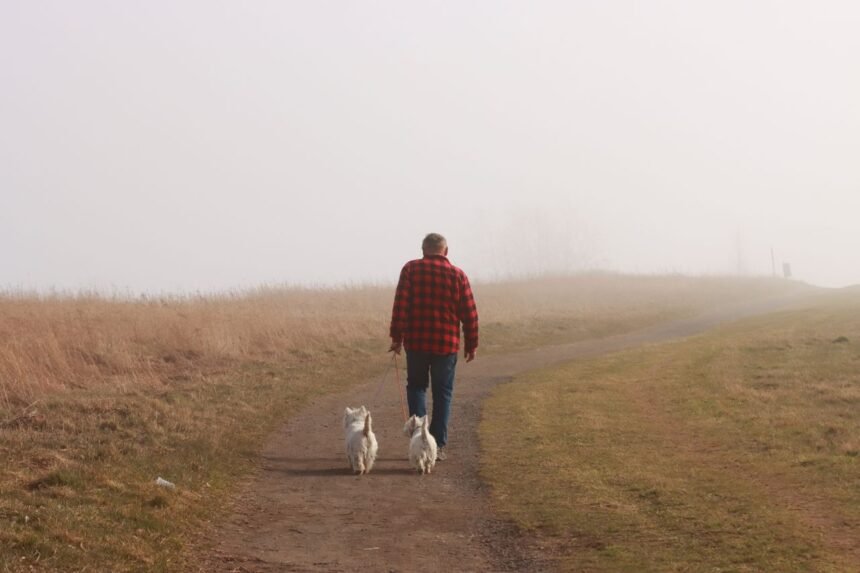
Anxiety is more than just a fleeting feeling of worry; for millions, it is a persistent state of tension that affects both the mind and the body. In the search for relief, we often look to complex therapies or medications, yet one of the most effective tools for managing mental health is already available to us: walking. Specifically, walking for anxiety in the morning can serve as a powerful physiological reset button.
While high-intensity interval training (HIIT) and gym sessions have their place, the gentle, rhythmic nature of walking offers unique benefits for the nervous system. By integrating a walk into your morning routine, you do more than just burn calories; you actively engage in cortisol regulation, signal safety to your brain, and set a positive tone for the day ahead.
This article explores the science behind why walking is a potent antidote to anxiety, how it affects your brain chemistry, and how you can structure a morning routine to maximise these mental health benefits.
The Biology of Stress and Movement
To understand why walking helps, we must first understand what anxiety does to the body. Anxiety triggers the sympathetic nervous system—often called the “fight or flight” response. This floods your system with stress hormones like adrenaline and cortisol. In our ancestral past, this mechanism saved us from predators. Today, however, chronic stressors like emails, financial worries, and sedentary lifestyle risks keep this switch stuck in the “on” position.
Walking serves as a bridge to parasympathetic nervous system activation, also known as the “rest and digest” state. When you engage in low-impact exercise for stress, you allow the body to process these stress hormones rather than letting them accumulate.
According to the Mayo Clinic, exercise acts as a natural painkiller and mood elevator. It reduces the body’s load of stress hormones while stimulating the production of endorphins. This creates a biochemical environment where anxiety struggles to thrive.
Neurotransmitters and Mood
The relationship between neurotransmitters and mood is well-documented. Walking boosts the production of serotonin and dopamine, the brain’s “feel-good” chemicals. However, consistency is key. A single walk can alleviate acute stress, but a daily routine creates structural changes in the brain.
Research suggests that aerobic exercise, including brisk walking, can lead to hippocampus growth—the area of the brain responsible for memory and emotional regulation, which often shrinks in those suffering from chronic depression or anxiety. For a deeper dive into how morning movement changes your physiology, read about 10 Science-Backed Morning Walk Benefits for Your Physical and Mental Wellbeing.
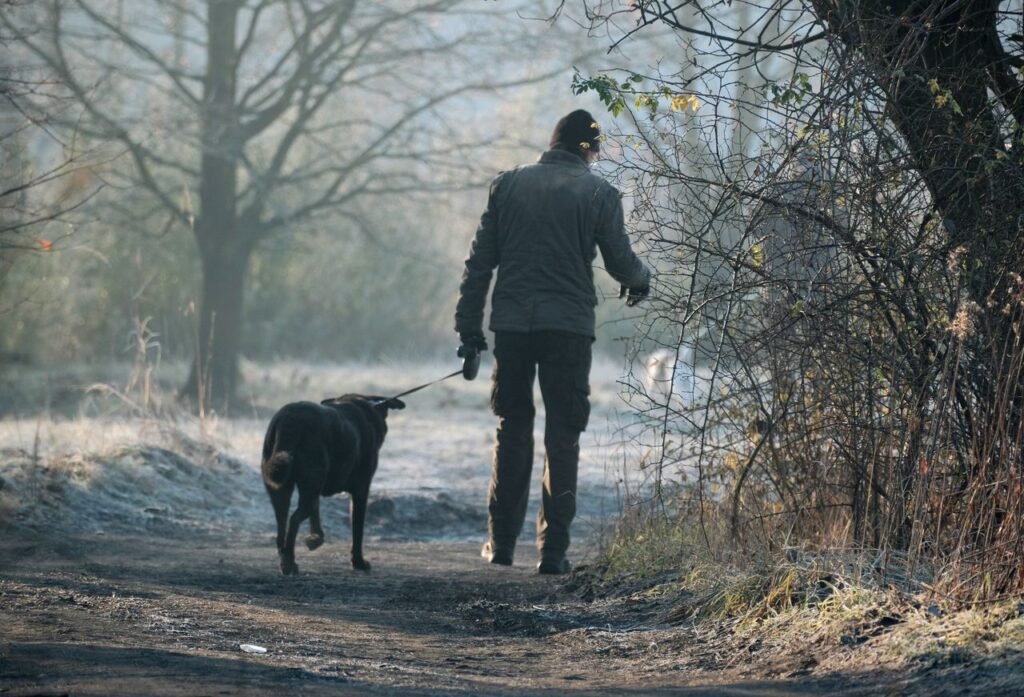
Why Morning Walking is Superior for Anxiety
While walking at any time is beneficial, the morning offers distinct advantages for the anxious mind. Waking up with a sense of dread or a racing heart is a common symptom of Generalised Anxiety Disorder (GAD). This is often due to the cortisol awakening response (CAR), where stress hormones peak shortly after waking.
Harnessing the Morning Light
Exposure to natural light within the first hour of waking is crucial. Sunlight entering the eyes signals the suprachiasmatic nucleus in the brain to regulate your circadian rhythm. This not only helps you feel alert in the morning but is essential for sleep quality improvement later that night. Poor sleep is a primary driver of anxiety, creating a vicious cycle that morning walking helps to break.
You can learn more about the specific impact of light on your mood in our article on The Psychological Power of a Sunrise Stroll: Starting Your Day with Natural Light.
The Power of Rhythmic Movement
Walking is inherently rhythmic. This rhythmic movement mimics the soothing rocking motions that calm infants. Furthermore, the forward motion creates what neuroscientists call “optic flow”—the visual passage of the environment past your eyes. This visual data has been shown to quiet the amygdala, the brain’s fear centre.
Additionally, walking involves bilateral stimulation, where you alternate engagement of the left and right sides of the body. This is a core component of EMDR (Eye Movement Desensitisation and Reprocessing) therapy, used to treat trauma and anxiety. The simple act of left-right stepping facilitates communication between brain hemispheres, helping to process difficult emotions.
The Environment Matters: Green Exercise
Where you walk is almost as important as the walking itself. Green exercise—activity undertaken in natural environments—has been shown to lower blood pressure and stress levels more effectively than exercising in urban or indoor settings.
Nature therapy, or ecotherapy, posits that humans have an innate need to connect with the natural world. A study published by the National Institutes of Health (NIH) highlights that walking in forest environments significantly promotes lower cortisol concentrations compared to city walking.
For those debating between the gym and the park, the mental health consensus often points outdoors. You can weigh the pros and cons in our guide: Outdoor Walking vs Treadmill: Why Fresh Air Enhances Your Morning Routine.
However, if you live in a city, don’t be discouraged. Even walking through a quiet street or a small park provides benefits of outdoor walking that a treadmill cannot replicate, such as fresh air and visual variety.
Mindfulness in Motion
It is possible to walk whilst worrying, ruminating on the past, or stressing about the future. To truly harness the power of walking for anxiety, one should practise mindful walking techniques.
This involves anchoring your attention to the present moment. Focus on the sensation of your feet touching the ground, the rhythm of your breath, or the feeling of the wind on your skin. When your mind wanders to anxious thoughts—and it will—gently bring your attention back to the physical sensation of walking.
This turns your morning exercise into a moving meditation. For a step-by-step approach, see our article on Walking Meditation: How to Practise Mindfulness with Every Step You Take.
Building Your Anti-Anxiety Walking Routine
Establishing a morning routine for anxiety requires starting small and being consistent. Here is a practical framework to get you started.
1. Preparation and Posture
Anxiety often causes us to hunch our shoulders and shallow our breathing. Before you set off, check your posture. Stand tall, roll your shoulders back, and open your chest. This physical stance signals confidence to your brain. For detailed instructions, refer to Perfecting Your Walking Posture: A Step-by-Step Guide for Pain-Free Movement.
2. Duration and Intensity
You do not need to power walk to reduce anxiety. In fact, pushing too hard can spike cortisol temporarily. Aim for a pace where you can hold a conversation but feel your heart rate elevate slightly. If you are unsure about the intensity, read Understanding Your Walking Heart Rate: How to Optimise Your Aerobic Zone.
Consistency is more important than duration. A 20 to 30-minute walk is often the sweet spot for mental health benefits. Discover why in The Transformative Power of a Consistent 30 Minute Walk Every Morning.
3. Preparation
To avoid injury and ensure the experience remains stress-free, perform some light movements before you head out. Consult Essential Morning Walking Stretches to Improve Flexibility and Prevent Injury.
Also, consider your pace. While a leisurely stroll is calming, a brisk walk releases more endorphins. Find your balance by reading What is the Ideal Walking Pace for Cardiovascular Health and Longevity?.
4. Alternative Approaches
For some, feeling the ground directly can be incredibly grounding—literally. Barefoot walking, or earthing, is gaining traction as a way to connect with nature and reduce inflammation. While not for everyone, it is worth exploring: Barefoot Walking: The Potential Benefits and Risks of Earthing in the Morning.
Managing Social Anxiety
For those with social anxiety, the idea of walking in public can be daunting. It is important to remember that walking can actually aid social anxiety management. It offers a low-pressure way to be in the world without the demand for interaction. Wearing sunglasses or headphones can provide a sense of security. Over time, the exposure to public spaces can desensitise the anxiety response.
According to the Anxiety and Depression Association of America (ADAA), regular participation in aerobic exercise has been shown to decrease overall levels of tension and improve self-esteem, which are critical factors in managing social anxiety.
When to Seek Help
While lifestyle changes like walking are powerful, they are not a replacement for professional treatment when anxiety becomes debilitating. If your anxiety interferes with your daily life, relationships, or ability to function, it is vital to consult a healthcare professional.
Organisations like the NHS provide comprehensive guidelines on recognising and treating anxiety disorders. Similarly, the National Institute of Mental Health (NIMH) offers resources on the various types of anxiety and available therapies.
The Bottom Line
Walking for anxiety is an accessible, free, and scientifically supported strategy to manage mental health. By combining cortisol regulation, the benefits of nature, and the grounding effects of rhythm, a morning walk can shift your nervous system from a state of alarm to a state of calm.
The goal is not to walk away from your problems, but to walk toward a clearer, stronger state of mind to face them. As Harvard Health notes, exercise is an all-natural treatment that should be part of every mental health toolkit.
Start tomorrow morning. Lace up your shoes, step outside, and let the simple act of putting one foot in front of the other guide you back to yourself.
Additional Resources
- Stress in America: The American Psychological Association (APA) provides annual reports on the impact of stress and the role of exercise.
- Nature and Mental Health: Mind.org.uk details how green spaces improve wellbeing.
- Sleep and Exercise: The Sleep Foundation explains the bidirectional relationship between activity and rest.
- Exercise Risks: While rare, consult Johns Hopkins Medicine if you have concerns about heart health before starting a new regime.