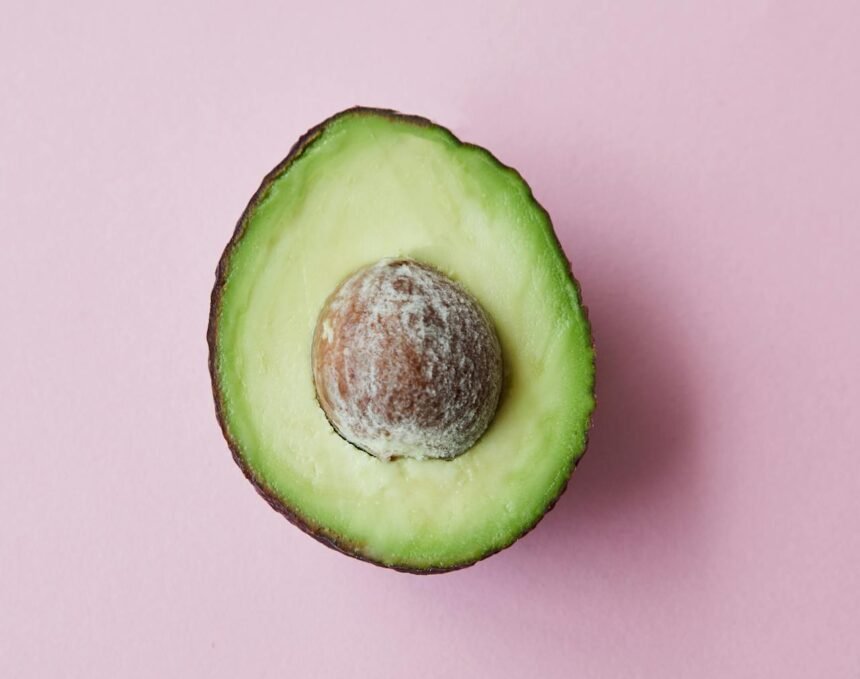
Avocados have long been celebrated as a nutritional powerhouse for the body, gracing everything from toast to smoothies. However, the avocado benefits for hair growth and scalp health are becoming increasingly prominent in the world of dermatology and trichology.
While genetics play a significant role in hair texture and growth rate, your diet and topical hair care routine are critical factors you can control. Dryness, breakage, and scalp inflammation are common barriers to achieving the length and lustre you desire.
Rich in monounsaturated fats, vitamins, and minerals, avocados offer a dual-action approach: nourishing the body from within and sealing moisture into the hair shaft when applied topically.
This article explores the science behind using avocado for hair growth, how to incorporate it into your routine, and why this green fruit might be the missing ingredient in your hair care regimen.
Overview: The Nutritional Powerhouse
To understand why avocado is effective for hair, we must first look at its chemical composition. Hair is primarily composed of a protein called keratin. To grow strong, it requires a steady supply of amino acids, vitamins, and hydration.
Avocados are unique because they are loaded with healthy fats, specifically oleic acid. This monounsaturated fat helps to penetrate the hair shaft and moisturise the scalp, rather than simply sitting on top and coating the hair.
Furthermore, avocados are rich in antioxidants like Vitamin E, which helps combat oxidative stress—a significant contributor to hair follicle aging.
Whether you are dealing with heat-damaged locks or a flaky scalp, the avocado benefits for hair growth stem from its ability to create a healthier environment for hair follicles to thrive.
Signs Your Hair Needs Avocado
While avocado is generally safe for most hair types, certain symptoms indicate that your hair is crying out for the rich, lipid-heavy nourishment it provides. Understanding the root causes of hair damage helps in selecting the right treatment.
1. Excessive Dryness and Brittle Texture
If your hair feels like straw or snaps easily when you brush it, it lacks moisture elasticity.
Environmental factors, such as UV exposure and cold weather, strip the hair of its natural oils (sebum). Without this protective barrier, the cuticle lifts, leading to moisture loss.
2. Slow Growth Due to Breakage
Often, people believe their hair isn’t growing, when in reality, it is breaking off at the ends as fast as it grows from the root.
Retaining length is crucial. The lubricating properties of avocado oil can reduce friction between strands, preventing the mechanical damage that occurs during detangling.
3. Scalp Inflammation and Dandruff
A healthy scalp is the prerequisite for hair growth. Conditions like seborrheic dermatitis or simple dry scalp can clog follicles and inhibit growth.
Avocado oil has anti-inflammatory properties that can soothe an irritated scalp, creating a better foundation for healthy follicles.
4. Lack of Shine (Lustre)
Healthy hair reflects light because the cuticle layer lies flat. Damaged, porous hair absorbs light, appearing dull.
The fatty acids in avocado fill in the gaps between cuticle cells, restoring shine and smoothness.
Treatment and Management: How to Use Avocado
Unlocking the avocado benefits for hair growth can be done through diet or topical application. For immediate structural benefits, topical masks and oils are highly effective.
Here are science-backed methods to incorporate avocado into your routine.
Method 1: The Fresh Avocado Mask
Using fresh fruit provides a cocktail of water content, fats, and pulp that is excellent for deep conditioning.
Ingredients:
- 1 ripe avocado (pitted and peeled)
- 2 tablespoons of honey (a natural humectant)
- 1 tablespoon of olive oil
Instructions:
- Mash the avocado until it is completely smooth. Lumps can be difficult to wash out.
- Mix in the honey and olive oil.
- Apply to damp hair, focusing on the ends and working up to the scalp.
- Cover with a shower cap and leave for 30 to 60 minutes.
- Rinse thoroughly with lukewarm water, followed by shampoo.
Why it works:
Honey draws moisture into the hair, while the avocado oil seals it in. This combination improves elasticity, reducing the likelihood of snap-breakage.
Method 2: Avocado Oil Scalp Massage
If you find fresh avocado too messy, cold-pressed avocado oil is a fantastic alternative. It is lighter than castor oil but richer than coconut oil, making it able to penetrate the hair shaft effectively.
The Routine:
- Warm a small amount of avocado oil (do not make it hot, just lukewarm).
- Section your hair.
- Apply the oil directly to the scalp using your fingertips.
- Massage in circular motions for 5–10 minutes.
- Leave it on overnight for maximum absorption or wash out after an hour.
The Science:
Massaging the scalp increases blood circulation, which delivers more oxygen and nutrients to the hair follicle. This is known as the “vasodilator” effect, which is essential for stimulating growth phase (anagen) activity.
Method 3: Dietary Inclusion
Topical application treats the existing hair shaft, but eating avocado fuels the production of new hair cells.
Avocados are high in biotin (Vitamin B7). A deficiency in biotin is clinically linked to hair loss and brittle nails. Including half an avocado in your daily diet ensures you are receiving a steady supply of these building blocks.
The Science Behind the Nutrients
To fully appreciate the avocado benefits for hair growth, it is helpful to look at the specific micronutrients involved.
Vitamin E:
An antioxidant that repairs tissue and reduces inflammation. It helps repair damage to the hair follicles on the scalp, which encourages healthy hair growth.
Biotin (Vitamin B7):
Essential for the production of keratin. While biotin supplements are popular, obtaining it from whole food sources like avocado is often more bioavailable.
Potassium and Magnesium:
These minerals seal cuticle cells, which can help hair look smooth and shiny and prevent it from breaking.
Oleic Acid:
This fatty acid controls water loss in strands while making hair softer and more pliable.
Tips for Maximising Results
Using avocado is generally safe, but there are best practices to ensure you get the most out of this natural treatment without adverse effects.
1. Consistency is Key
Hair growth treatments do not work overnight. The hair growth cycle is slow, growing approximately 1.25 centimetres (0.5 inches) per month.
Commit to a weekly avocado mask or scalp massage for at least three months to see significant changes in texture and retention.
2. Patch Test First
Although avocado is natural, allergic reactions can occur.
Before applying a full mask, apply a small amount of the fruit or oil to the inside of your elbow and wait 24 hours to check for redness or itching.
3. Rinse Thoroughly
If you use fresh avocado, ensure you blend it perfectly smooth. Small chunks of avocado can stick to the hair and dry out, becoming difficult to remove.
Always follow a fresh mask with a rigorous shampoo to prevent residue buildup, which can actually clog follicles if left on the scalp.
4. Pair with Peppermint Oil
For an extra growth boost, add 2-3 drops of peppermint essential oil to your avocado carrier oil.
Studies suggest peppermint oil can effectively stimulate hair growth, and avocado oil acts as the perfect carrier to prevent skin irritation.
5. Watch the Heat
After applying an oil treatment, sitting under a hooded dryer or using a warm towel can help open the hair cuticle, allowing the oil to penetrate deeper.
However, avoid high heat styling immediately after oiling, as this can “cook” the hair if the temperature is too high.
The Bottom Line
Achieving long, healthy hair is a journey that requires patience and the right nutritional support. The avocado benefits for hair growth are supported by both anecdotal evidence and chemical science.
By providing essential fatty acids, vitamins A, D, E, and biotin, avocado acts as a comprehensive treatment for both the scalp and the hair shaft.
Whether you choose to mash it into a DIY mask, massage the oil into your scalp, or simply enjoy it on toast, incorporating avocado into your life can lead to stronger, more resilient hair.
If you are experiencing sudden, patchy hair loss or excessive shedding, it is important to consult a dermatologist or healthcare professional to rule out underlying medical conditions.
For most people, however, nature’s butter is a safe, effective, and accessible tool for revitalising hair health.