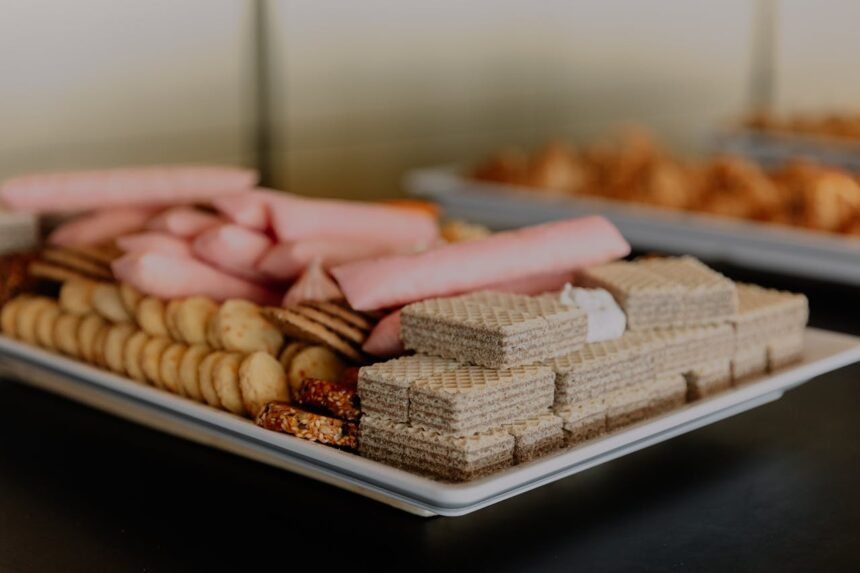
Walking is often perceived as a low-impact activity that requires minimal preparation. However, treating your morning walk with the same nutritional respect as a run or a gym session can significantly enhance your performance and how you feel throughout the day. Whether you are strolling for mental clarity or brisk walking for cardiovascular health, the fuel you provide your body determines your stamina.
Choosing the right pre-walk snacks is not just about suppressing hunger; it is about optimising blood sugar levels and preventing fatigue. This guide explores the science of fueling, the debate between fed and fasted states, and the specific foods that provide sustained energy.
The Physiology of Morning Movement
When you wake up, your body is in a fasted state. You haven’t consumed nutrients for several hours, meaning your blood sugar is lower, and your liver glycogen—the stored form of carbohydrate—is partially depleted.
Starting a walk without fuel can lead to sluggishness or lightheadedness, particularly if you plan to walk for more than 30 minutes or increase your intensity. While some advocate for exercising on an empty stomach, it is crucial to understand the trade-offs. For a deeper dive into this specific debate, you might read Fasted Walking: Is Exercising on an Empty Stomach Better for Fat Loss?
To maintain a brisk pace and engage your muscles effectively, your body relies on glucose. If your glycogen stores depletion is too significant before you even tie your laces, your body may struggle to perform, leading to a phenomenon often called “bonking” in endurance sports, though it can happen on a smaller scale during a morning walk.
Why Macronutrients Matter
Not all snacks are created equal. The ideal pre-walk snack is a delicate balance of macronutrients designed to release energy steadily without weighing you down.
Carbohydrates
Carbohydrates are your body’s primary fuel source. For a morning walk, you generally want complex carbohydrates for energy. These break down slower than simple sugars, providing a steady stream of glucose to the bloodstream rather than a spike and crash. However, if you are heading out the door immediately, easily digestible carbs (like a banana) are preferable.
Protein
While not a primary fuel source during the walk, consuming a small amount of protein for muscle repair and satiety is beneficial. It helps prevent muscle catabolism (breakdown) during longer walks and keeps hunger hormones in check.
Fats
Fats are excellent for long-duration, low-intensity exercise. However, they take longer to digest. Consuming too much fat immediately before walking can lead to discomfort. You want to aim for nutrient-dense foods that offer healthy fats in moderation.
Top Recommended Pre-Walk Snacks
Here are the scientifically supported snacks to consume 30 to 60 minutes before your walk.
1. Banana with Almond Butter
This is a classic for a reason. Bananas provide potassium and simple carbohydrates for immediate fuel. Adding a tablespoon of almond butter introduces healthy fats and protein, which aids in stabilising blood glucose levels so you don’t crash halfway through your route.
According to the Harvard T.H. Chan School of Public Health, bananas are a top source of digestible energy. The combination prevents the blood sugar spike from being too sharp.
2. Porridge (Oatmeal) with Berries
Oats are a powerhouse of complex carbohydrates. They release energy slowly, ensuring satiety during exercise. If you have at least 45 minutes before your walk, a small bowl of porridge made with water or milk is ideal. Top it with blueberries for antioxidants. This meal supports a morning metabolism boost by thermogenesis.
For more on how walking interacts with your metabolic rate, consider reading Why Morning Cardio via Brisk Walking is the Ideal Way to Kickstart Your Metabolism.
3. Greek Yogurt with a Drizzle of Honey
Greek yogurt is rich in protein and probiotics. The honey provides a quick carbohydrate source that is easily accessible by the body. This is a low-volume snack, meaning it is less likely to cause sloshing or heaviness in the stomach, thus avoiding digestive distress.
4. Whole Grain Toast with Hummus
If you prefer savoury over sweet, this is an excellent choice. The whole grains provide the complex carbs, while hummus offers fibre and a small amount of plant-based protein. Be mindful of portion sizes; one slice is usually sufficient.
5. A Small Handful of Dried Fruit and Nuts
This is the ultimate portable snack. Dried apricots or raisins provide quick sugar, while almonds or walnuts provide sustained energy. This trail mix approach is great if you are pressed for time, but ensure you chew thoroughly to aid digestion.
Hydration and Electrolytes
Solid food is only half the equation. Hydration before exercise is non-negotiable. After a night of sleep, you are naturally dehydrated. Drinking 300-500ml of water upon waking helps prime your muscles and lubricate your joints.
If you are walking for more than an hour, or if the weather is hot, you might consider electrolytes for walkers. These help replace sodium and potassium lost through sweat. The NHS Guide to Dehydration emphasises the importance of fluid balance for cognitive and physical function.
Furthermore, many walkers enjoy a morning coffee. Caffeine effects on walking can be positive, reducing perceived exertion and improving focus. Just be mindful that caffeine is a diuretic. For a broader look at how morning routines affect your mental state, see The Transformative Power of a Consistent 30 Minute Walk Every Morning.
Timing Your Nutrition
Pre-workout nutrition timing is critical. Eating a heavy meal five minutes before brisk walking can lead to cramping.
- 60-90 minutes before: You can handle a small meal, like porridge or eggs on toast. See The Ultimate Post-walk Breakfast Ideas to Refuel Your Body and Build Muscle for ideas on how to structure larger meals around your walk.
- 15-30 minutes before: Stick to low-fibre snack options and simple carbs. A banana or a rice cake is best here. This respects the digestion time for walking required by the body to divert blood flow to muscles rather than the stomach.
Adapting for Specific Goals
For Weight Loss
If your primary goal is shedding pounds, you might be tempted to skip the snack. However, fueling can help you walk faster and longer, burning more calories overall. Choose smaller portions, like half a banana. Learn more in A Complete Guide to Morning Walking for Weightloss and Sustainable Fat Loss.
For Mental Health
Walking is a potent tool for mental wellbeing. Low blood sugar can mimic symptoms of anxiety (shaking, irritability). Eating a small snack helps maintain emotional regulation during your walk. Read about this connection in Walking for Anxiety: How a Morning Routine Can Calm Your Nervous System.
For Cardiovascular Health
When walking for heart health, you want to hit a specific aerobic zone. Fueling ensures you have the energy to sustain that elevated heart rate. Check out Understanding Your Walking Heart Rate: How to Optimise Your Aerobic Zone.
Tips for Success
- Listen to your gut: Everyone digests differently. Experiment with different foods to see what feels best.
- Prepare the night before: If you aren’t a morning person, have your almonds portioned out or your overnight oats ready.
- Don’t forget the environment: If you are walking outside, the fresh air aids digestion and mood, which can be different from the static environment of a gym. See Outdoor Walking vs Treadmill: Why Fresh Air Enhances Your Morning Routine.
- Check your posture: Bloating from a poor snack choice can make it hard to engage your core. Proper alignment helps digestion. See Perfecting Your Walking Posture: A Step-by-Step Guide for Pain-Free Movement.
- Warm up: Gentle movement aids digestion. Incorporate Essential Morning Walking Stretches to Improve Flexibility and Prevent Injury before you pick up the pace.
When to See a Doctor
If you frequently experience dizziness, nausea, or extreme fatigue during morning walks despite snacking and hydrating, consult a healthcare professional. These could be signs of underlying issues like reactive hypoglycemia or iron deficiency. The Mayo Clinic offers comprehensive advice on nutrition and when to seek help.
Additionally, if you have diabetes, managing blood sugar around exercise is vital. The Diabetes UK website is an excellent resource for managing glucose during activity.
The Bottom Line
The “best” pre-walk snack is one that you enjoy, that digests well, and that provides sustained energy. By focusing on complex carbohydrates, timing your intake, and ensuring proper hydration, you can transform your morning walk from a slog into a revitalising start to the day.
Remember, consistency is key. Whether you are aiming for the benefits listed in 10 Science-Backed Morning Walk Benefits for Your Physical and Mental Wellbeing, or simply enjoying a sunrise stroll, proper fueling is the foundation of a healthy routine.