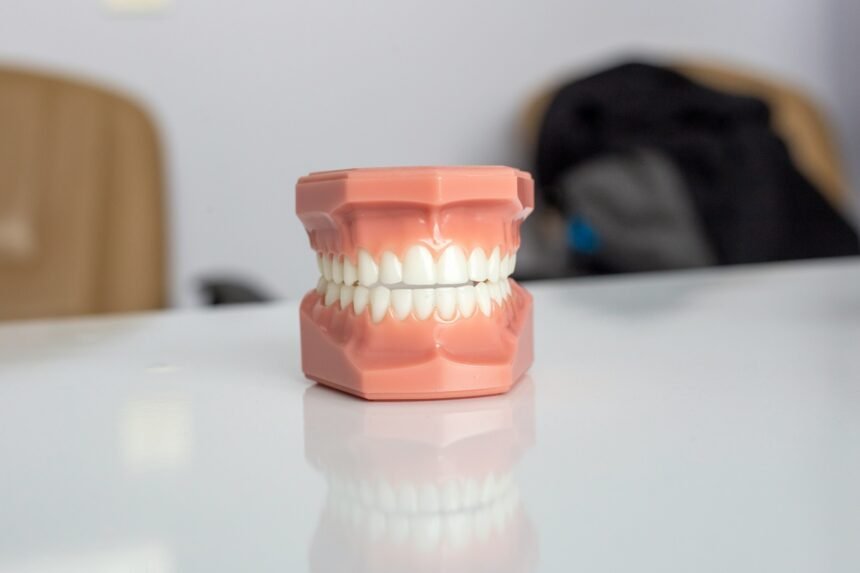
When it comes to replacing missing teeth, two popular options stand out: fake teeth (dentures) and dental implants. Both solutions aim to restore your smile and improve oral function, but they differ significantly in terms of procedure, durability, comfort, and cost. This comprehensive guide will help you understand the key differences between fake teeth and dental implants, enabling you to make an informed decision about which option is right for you.
Understanding Fake Teeth (Dentures)
Fake teeth, commonly known as dentures, have been a traditional solution for missing teeth for many years. These removable prosthetic devices are designed to replace missing teeth and surrounding tissues. Let’s explore the various aspects of dentures to help you determine if they’re the right choice for your dental needs.
Types of Dentures
There are two main types of dentures:
- Complete dentures: These replace all teeth in the upper or lower jaw, or both.
- Partial dentures: These replace one or more missing teeth when some natural teeth remain.
The Denture Process
The process of getting dentures typically involves:
- Initial consultation and examination
- Taking impressions of your mouth
- Creating and fitting temporary dentures
- Adjusting and refining the fit
- Fabricating and fitting the final dentures
Advantages of Dentures
- Non-invasive procedure
- Lower initial cost compared to dental implants
- Quicker treatment time
- Suitable for patients with significant bone loss
- Easy to remove for cleaning
Disadvantages of Dentures
- May feel less stable and secure than natural teeth
- Can affect speech and eating abilities
- Require regular adjustments and replacements
- May cause discomfort or irritation
- Can lead to bone loss over time
Exploring Dental Implants
Dental implants have revolutionised the field of restorative dentistry, offering a more permanent and natural-looking solution for missing teeth. These artificial tooth roots are surgically placed into the jawbone to support replacement teeth. Let’s delve into the world of dental implants to help you determine if they’re the right option for you.
Types of Dental Implants
There are three main types of dental implants:
- Endosteal implants: Placed directly into the jawbone
- Subperiosteal implants: Placed under the gum but on or above the jawbone
- Zygomatic implants: Anchored in the cheekbone for patients with insufficient jawbone
The Dental Implant Process
The dental implant procedure typically involves:
- Initial consultation and treatment planning
- Bone grafting (if necessary)
- Implant placement surgery
- Healing and osseointegration period
- Abutment placement
- Crown attachment
Advantages of Dental Implants
- Look and function like natural teeth
- Preserve jawbone and facial structure
- Long-lasting solution (can last a lifetime with proper care)
- Improve speech and eating abilities
- No need for adhesives or special cleaning routines
Disadvantages of Dental Implants
- Higher initial cost compared to dentures
- Requires surgery and longer treatment time
- Not suitable for all patients (e.g., those with certain medical conditions)
- Potential for complications (though rare)
- May require additional procedures (e.g., bone grafting)
Comparing Fake Teeth and Dental Implants
To help you make an informed decision between fake teeth and dental implants, let’s compare these two options across various factors:
| Factor | Fake Teeth (Dentures) | Dental Implants |
|---|---|---|
| Appearance | Can look natural, but may be less convincing | Most natural-looking option |
| Comfort | May cause discomfort or irritation | Feel like natural teeth |
| Stability | Can slip or move while speaking or eating | Securely anchored to the jawbone |
| Durability | Need replacement every 5-10 years | Can last a lifetime with proper care |
| Bone preservation | May lead to bone loss over time | Preserve jawbone structure |
| Maintenance | Require daily removal and cleaning | Brush and floss like natural teeth |
| Initial cost | Lower upfront cost | Higher initial investment |
| Long-term cost | May require frequent replacements and adjustments | Generally lower long-term costs |
| Treatment time | Quicker process (weeks to months) | Longer process (months to a year) |
| Suitability | Suitable for most patients | Not suitable for all patients |
Factors to Consider When Choosing Between Fake Teeth and Dental Implants
When deciding between fake teeth and dental implants, consider the following factors:
- Overall oral health
- Bone density and quality
- Number of missing teeth
- Budget and long-term costs
- Desired aesthetics and functionality
- Willingness to undergo surgery
- Time commitment for treatment
- Lifestyle and dietary habits
- Age and general health
- Personal preferences and expectations
The Impact on Oral Health and Quality of Life
Choosing between fake teeth and dental implants can significantly impact your oral health and quality of life. Dental implants offer superior stability and functionality, closely mimicking natural teeth. This can lead to improved confidence, speech, and ability to enjoy a wide variety of foods. Implants also help preserve jawbone structure, maintaining facial aesthetics over time.
On the other hand, while dentures can effectively replace missing teeth, they may not provide the same level of stability and comfort as implants. Some denture wearers experience challenges with speech and eating certain foods. However, modern dentures have come a long way in terms of fit and appearance, and for many patients, they remain a viable and satisfactory solution.
Ultimately, the choice between fake teeth and dental implants will depend on your individual circumstances, preferences, and goals for your oral health and overall well-being.
Maintenance and Care: Fake Teeth vs. Dental Implants
Proper maintenance and care are crucial for the longevity and success of both fake teeth and dental implants. Let’s compare the care requirements for each option:
Caring for Fake Teeth (Dentures)
- Remove and rinse after meals
- Brush dentures daily with a soft-bristled brush
- Soak dentures overnight in a denture cleaner
- Handle dentures carefully to avoid damage
- Visit your dentist regularly for adjustments and check-ups
Caring for Dental Implants
- Brush twice daily with a soft-bristled toothbrush
- Floss daily, using special floss designed for implants
- Use an antimicrobial mouthwash
- Avoid smoking and limit alcohol consumption
- Attend regular dental check-ups and professional cleanings
While dental implants generally require less specialized care than dentures, both options necessitate good oral hygiene practices and regular dental visits to ensure their longevity and your overall oral health.

Struggling to choose between fake teeth (dentures) and dental implants? This comprehensive guide breaks down the pros, cons, costs, and key differences of both options.
Learn about their impact on appearance, comfort, oral health, and quality of life to help you make the best decision for your smile and lifestyle.
Whether you’re seeking affordability or a permanent solution, find out which option is right for you!
Cost Considerations: Fake Teeth vs. Dental Implants
One of the most significant factors in choosing between fake teeth and dental implants is often the cost. Let’s break down the financial aspects of each option:
Cost of Fake Teeth (Dentures)
- Initial cost: £500 – £2,500 per arch (NHS or private)
- Replacement cost: Every 5-10 years
- Additional costs: Adhesives, cleaning solutions, adjustments
Cost of Dental Implants
- Initial cost: £2,000 – £5,000 per tooth (private)
- Replacement cost: Rarely needed if properly maintained
- Additional costs: Possible bone grafting, CT scans
While dental implants have a higher upfront cost, they often prove more cost-effective in the long run due to their durability and lower maintenance requirements. However, the initial investment can be a significant barrier for some patients.
It’s important to consider not only the immediate costs but also the long-term financial implications when making your decision. Some dental practices offer payment plans or financing options to help make dental implants more accessible.
The Psychological Impact: Fake Teeth vs. Dental Implants
The choice between fake teeth and dental implants can have significant psychological effects on patients. Both options aim to restore smiles and improve self-confidence, but their impact can differ:
Psychological Effects of Fake Teeth (Dentures)
- Initial boost in confidence from restored smile
- Potential anxiety about dentures slipping or falling out
- Possible self-consciousness about removing dentures
- May feel less natural or part of oneself
Psychological Effects of Dental Implants
- High levels of satisfaction due to natural look and feel
- Increased confidence in social and professional settings
- No worries about removal or slippage
- Often viewed as a permanent part of oneself
Many patients report feeling more confident and satisfied with dental implants due to their stability and natural appearance. However, modern dentures can also provide excellent aesthetic results and significantly improve quality of life for many individuals.
It’s important to consider your personal feelings and expectations when choosing between fake teeth and dental implants, as your comfort and confidence with your choice will play a crucial role in your overall satisfaction.
Frequently Asked Questions About Fake Teeth vs. Dental Implants
- Q: Are dental implants better than fake teeth?
A: Dental implants are generally considered superior in terms of functionality and aesthetics, but they may not be suitable or necessary for everyone. The best option depends on individual circumstances. - Q: How long do fake teeth and dental implants last?
A: Fake teeth (dentures) typically last 5-10 years, while dental implants can last a lifetime with proper care. - Q: Can I switch from dentures to dental implants?
A: Yes, many patients transition from dentures to dental implants. However, sufficient bone density is required, and bone grafting may be necessary. - Q: Are dental implants painful?
A: The implant procedure is performed under anaesthesia, so patients shouldn’t feel pain during the surgery. Some discomfort during healing is normal but can be managed with pain medication. - Q: Can I eat normally with fake teeth or dental implants?
A: Dental implants allow for normal eating habits. Dentures may require some dietary adjustments and can affect chewing efficiency. - Q: How do I clean fake teeth and dental implants?
A: Dentures need to be removed and cleaned daily. Dental implants are cared for like natural teeth with regular brushing and flossing. - Q: Will my insurance cover fake teeth or dental implants?
A: Coverage varies by policy. Many insurance plans cover dentures, but coverage for dental implants is less common. Check with your provider for details. - Q: Can fake teeth or dental implants stain?
A: Both can stain over time, but dental implants are more resistant to staining than dentures. - Q: How soon after tooth extraction can I get fake teeth or dental implants?
A: Immediate dentures can be placed right after extraction. Dental implants usually require a healing period of several months before placement, although immediate implants are sometimes possible. - Q: Can fake teeth or dental implants be whitened?
A: Dentures cannot be whitened and may need replacement if they become discoloured. Dental implant crowns can be replaced if whitening is desired.
Making Your Decision: Fake Teeth vs. Dental Implants
Choosing between fake teeth and dental implants is a significant decision that can impact your oral health, appearance, and quality of life for years to come. Here are some key points to consider as you make your decision:
- Assess your oral health: Consult with a dentist to evaluate your overall oral health, including bone density and gum condition.
- Consider your lifestyle: Think about how each option would fit into your daily life, including diet, social activities, and personal comfort.
- Evaluate long-term goals: Consider your long-term oral health goals and which option aligns best with these objectives.
- Understand the procedures: Familiarise yourself with the processes involved in getting dentures and dental implants to ensure you’re comfortable with the chosen treatment.
- Analyse costs: Look at both immediate and long-term costs, including initial treatment, maintenance, and potential replacements.
- Reflect on aesthetics: Consider which option will provide the most natural and satisfying appearance for your smile.
- Think about maintenance: Evaluate your willingness and ability to maintain each option properly.
- Consider time commitment: Factor in the treatment duration and number of dental visits required for each option.
- Assess your medical history: Certain medical conditions may influence your suitability for dental implants.
- Seek professional advice: Consult with a dental professional who can provide personalised recommendations based on your specific situation.
Remember, there’s no one-size-fits-all solution when it comes to choosing between fake teeth and dental implants. What works best for one person may not be ideal for another. Take the time to carefully consider all aspects and discuss your options thoroughly with your dentist to make the best decision for your oral health and overall well-being.
In conclusion, both fake teeth and dental implants offer viable solutions for replacing missing teeth. While dental implants provide a more permanent and natural-feeling option, dentures remain a practical and cost-effective choice for many patients. By weighing the pros and cons of each option and considering your individual needs and circumstances, you can make an informed decision that will help you achieve a healthy, functional, and beautiful smile for years to come.
Citations:
[1] https://internationalplus.net/dental-implants-vs-false-teeth/
[2] https://www.usdental.in/blog/dental-implants-vs-real-teeth/
[3] https://www.periodontal.com/advantages-disadvantages-dental-implants/
[4] https://blyssdental.com/pros-and-cons-of-dental-implants/
[5] https://thecosmeticdentalpractice.co.uk/latest-news/top-5-benefits-of-dental-implants-over-other-tooth-replacement-options/
[6] https://www.dentevim.com/en/advantages-and-disadvantages-of-dental-implant
[7] https://maidasmiles.co.uk/blog/dentures-vs-dental-implants/
[8] https://radiantdentalcare.in/dental-bridge-vs-implant-right-choice/
[9] https://www.orthosquare.com/blogs/advantages-and-disadvantages-of-dental-implants/
[10] https://custercreekdental.com/find-out-the-major-benefits-of-dental-implants/