For culinary enthusiasts and health-conscious individuals alike, sourcing the right ingredients is paramount. When it comes to legumes, few offer the distinct texture and flavour profile of green peanuts. Unlike their roasted counterparts found on supermarket shelves, green peanuts are raw, freshly harvested legumes that have not undergone the drying process. Sourcing green peanuts bulk is essential for traditional recipes, particularly the beloved Southern American staple: boiled peanuts.
However, finding these perishable gems requires specific knowledge of harvest seasons and supply chains. Whether you are looking to replicate a nostalgic snack or explore the nutritional density of fresh legumes, understanding where and how to buy them is crucial. This guide explores the logistics of sourcing, the health benefits of fresh groundnuts, and the best practices for handling this unique agricultural product.
Overview
Green peanuts are peanuts that are pulled from the ground and removed from the vine but have not been dehydrated. Because they retain a high moisture content (approximately 35% to 50%), they are highly perishable and cannot be stored at room temperature like cured peanuts.
Consumers often seek wholesale peanut suppliers during harvest season to secure enough volume for preservation. While roasted nuts are popular, the seasonal legume availability of green peanuts offers a window into a different culinary experience. They are prized for their potential to become soft and savoury when boiled, a method that alters the bioavailability of their nutrients.
For those interested in the different varieties that might be available fresh, reading A Guide to Valencia Peanuts: Sweetness and Nutrition Profile can help you decide which cultivar suits your taste. Valencia peanuts, for instance, are often favoured for boiling due to their sweet taste and three to four kernels per shell.
The Nutritional Distinction
From a scientific perspective, green peanuts differ significantly from roasted ones. Because they are harvested early and kept fresh, they retain a unique profile of vitamins and minerals.
Antioxidant Capacity
Research suggests that antioxidant-rich legumes like green peanuts contain high levels of isoflavones and resveratrol. Interestingly, the boiling process—standard for green peanuts—may actually enhance the extractability of these antioxidants compared to roasting. According to the National Center for Biotechnology Information (NCBI), boiling peanuts can increase their isoflavone bioactivity up to four times.
Heart Health and Fats
Like their dried counterparts, green peanuts are rich in monounsaturated fats. The American Heart Association notes that these fats can help reduce bad cholesterol levels in your blood which can lower your risk of heart disease and stroke. If you are exploring other healthy nut options, you might compare them to Dry Roasted Peanuts: A Heart-Healthy Snack Choice.
Protein and Fiber
Green peanuts are excellent sustainable protein sources. They provide essential amino acids necessary for tissue repair and immune function. Furthermore, the high fibre content aids in legume digestibility and gut health, a topic supported by general guidance from the NHS.
Where to Buy Green Peanuts Bulk
Finding fresh raw peanuts requires timing and the right connections. Since they spoil rapidly, you generally cannot find them in standard UK supermarkets. Here are your primary avenues for sourcing.
1. Farm-to-Table and Farmers Markets
The most reliable source for high-quality green peanuts is directly from the grower. Farm-to-table nuts ensure that the time between harvest and your kitchen is minimised. If you live in a peanut-growing region, visiting local farmers markets between June and September is ideal.
For those with an allotment, you might even consider Growing Your Own: Best Practices for Organic Peanut Seeds. However, if you need 10kg or more for a large batch, purchasing from a commercial grower is more practical.
2. Online Agricultural Specialists
In the digital age, many farms ship green peanuts bulk directly to consumers. When searching online, look for suppliers who guarantee refrigerated shipping. The peanuts must be kept cool during transit to prevent fermentation or spoilage.
Prices can vary significantly based on the harvest yield. Monitoring bulk raw peanuts prices early in the season can help you lock in a good deal before demand spikes. Be aware that shipping costs may be higher due to the weight of the water content in fresh peanuts.
3. Specialty Asian and African Grocers
Green peanuts are not unique to the American South; they are also a staple in various Asian and African cuisines. Specialty grocers often import fresh groundnuts. You might find heritage peanut varieties in these markets that differ from the standard Runner or Virginia types. For a historical perspective on these legume lineages, consider reading about Jungle Peanuts: Exploring the Wild Ancestor of Modern Legumes.
Safety and Handling
Handling green peanuts requires more care than handling cured nuts. The high moisture environment is a breeding ground for moulds, including Aspergillus flavus, which produces aflatoxin.
Aflatoxin Awareness
Aflatoxin safety is a critical consideration. While regulatory bodies like the FDA monitor commercially sold peanuts, buying raw agricultural products carries some risk if they are not handled correctly. Always inspect your bulk purchase immediately. Discard any nuts that look shrivelled, mouldy, or discoloured.
For those interested in the wider applications of peanuts and safety, Roasted Peanut Flour: Gluten-Free Baking and Nutritional Gains offers an alternative way to consume peanut protein with a lower moisture risk.
Storage Protocols
Upon receiving your shipment, you must act strictly. You cannot leave a sack of green peanuts in the pantry. They must be refrigerated immediately and used within days. If you cannot process the entire bulk order at once, freezing fresh peanuts is the best method of preservation. Wash them thoroughly, blanch them briefly, and freeze them in airtight bags.
Preparation: The Boiling Tradition
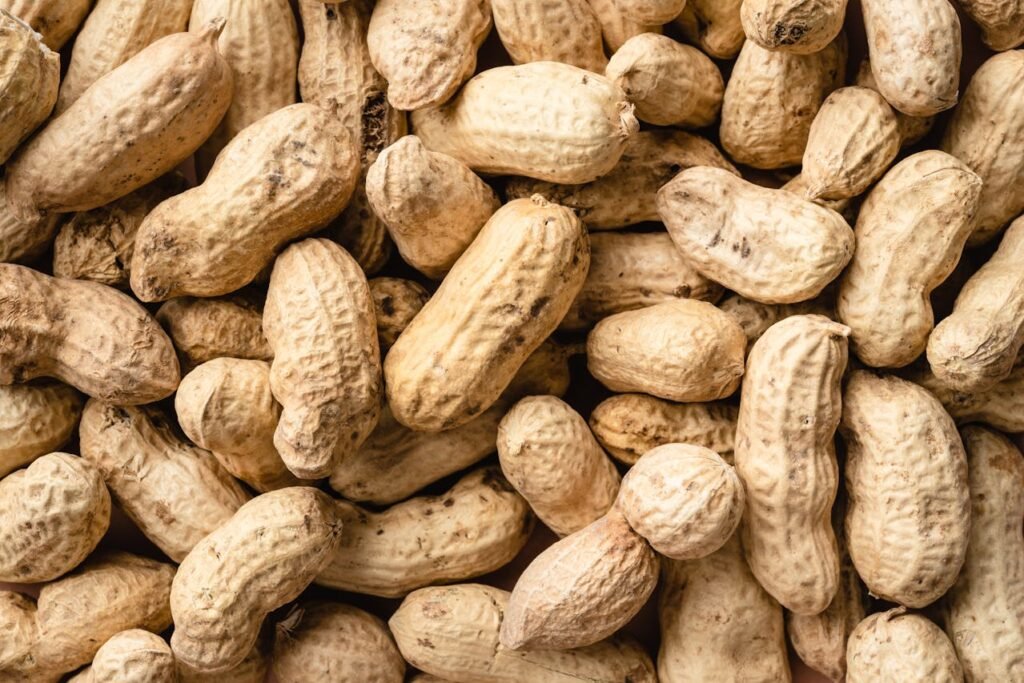
The primary reason for sourcing green peanuts bulk is to boil them. This method turns the hard kernel into a legume with a texture similar to edamame or a firm bean.
Basic Method
A standard boiling peanuts recipe involves water, salt, and time. Because green peanuts are fresh, they cook much faster than dried raw peanuts—usually in 1 to 2 hours compared to the 10+ hours required for dried nuts.
For a robust flavour profile, many enthusiasts add Cajun spices, garlic, or even beer to the brine. This creates the classic southern style boiled peanuts. The shells are porous, allowing the saline solution to permeate the kernel. The University of Georgia Extension provides excellent scientific guidelines on safe boiling times to ensure pathogens are destroyed.
Culinary Variations
While boiling is king, fresh peanuts can also be used in stews or braised dishes. Their texture adds a creamy consistency to savoury meals. If you enjoy experimenting with different peanut forms, you might want to try Peanut Sprouts: The New Superfood You Should Try, which offers a completely different crunch and nutrient profile.
Also, consider the variety you are using. Spanish Peanuts are small and oily, which might result in a different texture when boiled compared to larger Virginia types. Learn more about them in Spanish Peanuts: Small Size, Big Flavour and High Oil Content.
Tips for Buying in Bulk
When investing in a large quantity of green peanuts, consider the following to ensure you get the best value and quality.
- Check the Harvest Date: Ask the supplier when the peanuts were pulled. Ideally, they should be shipped within 24 hours of harvest.
- Inspect Upon Arrival: Look for clean shells. A significant amount of dirt adds weight that you are paying for but cannot eat. If you are growing your own, using Essential Peanut Harvesting Tools for Small-Scale Growers can help minimize debris.
- Plan Your Storage: Ensure you have ample freezer space before the box arrives. Preserving green peanuts requires immediate action.
- Use the Shells: Don’t waste the biomass. Peanut shells are excellent for gardening. Read Peanut Shell Compost: Turning Waste into Nutrient-Rich Soil for ideas on how to recycle your bulk purchase waste.
- Understand the Varieties: Some peanuts, like Red Skins, have distinct antioxidant profiles. Check Red Skin Peanuts: Antioxidant Benefits and Culinary Uses to see if they are the right choice for your needs.
The Bottom Line
Sourcing green peanuts bulk allows you to access a seasonal delicacy that is both nutritious and deeply rooted in culinary tradition. Whether you are aiming to create authentic southern style boiled peanuts or simply want to benefit from the high antioxidant levels of fresh legumes, the effort to find a quality supplier is worthwhile.
Remember that green peanuts are a fresh produce item, not a pantry staple. They require refrigeration, rapid processing, or freezing to maintain their quality and safety. By understanding the logistics of seasonal legume availability and adhering to proper handling techniques, you can enjoy this farm-fresh superfood safely.
Always prioritise safety by inspecting for mould and cooking thoroughly. For more detailed nutritional breakdowns, resources like the USDA FoodData Central provide comprehensive data on raw versus boiled peanuts. Furthermore, reputable health sites like Healthline and the Mayo Clinic continue to affirm the role of legumes in a balanced diet. Whether purchased from a local market or a specialist online, green peanuts offer a delicious way to diversify your plant-based protein intake.