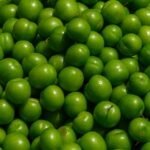
Green peas are often relegated to the side of the plate, a humble garnish to a Sunday roast or a splash of colour in a shepherd’s pie. However, these small legumes are nutritional powerhouses that deserve centre stage.
Technically a legume but treated as a starchy vegetable, peas are loaded with vitamins, antioxidants, and a surprising amount of protein. The challenge for many home cooks is not sourcing them, but knowing how to cook green peas in a way that preserves their delicate sweetness and vibrant green hue.
Overcooking is the common enemy. It leads to the dreaded grey, mushy texture that many of us recall from school dinners. Conversely, undercooking leaves them starchy and unpleasant.
By mastering a few simple techniques, you can transform this freezer staple into a gourmet ingredient. Whether you are using fresh garden peas or a bag from the freezer, the goal remains the same: maximise flavour and retain nutrients.
This guide explores the most effective methods to prepare peas, ensuring they remain nutritious and delicious.
Why Peas Deserve a Place on Your Plate
Before diving into the cooking methods, it is essential to understand why peas are such a vital part of a balanced diet. They are far more than just empty calories.
According to nutritional data, peas are rich in polyphenol antioxidants, which are responsible for many of their health benefits. They are also one of the best plant-based sources of protein, which is a major reason why they are so filling.
Key nutritional highlights include:
- Fibre: Essential for digestive health.
- Vitamin K: Crucial for blood clotting and bone health.
- Vitamin C: A powerful antioxidant that supports immune function.
- Thiamine (Vitamin B1): Vital for energy metabolism.
Research indicates that legume consumption is associated with a lower risk of heart disease and type 2 diabetes. However, water-soluble vitamins like Vitamin C and B-vitamins are sensitive to heat and water. This makes your choice of cooking method critical.
For a deeper dive into the benefits of legumes, you can read more on Healthline.
Fresh vs. Frozen: Which is Better?
There is a pervasive myth that fresh produce is always superior to frozen. When it comes to peas, this is not necessarily true.
Fresh Peas: When in season (typically early summer in the UK), fresh peas are unparalleled in flavour. However, the sugars in peas turn to starch very quickly after picking. Unless you are growing them in your garden, the ‘fresh’ peas at the supermarket may have lost considerable sweetness during transport.
Frozen Peas: These are typically blanched and flash-frozen within hours of harvest. This process locks in the nutrients and halts the conversion of sugar to starch. Consequently, frozen peas often contain higher levels of Vitamin C than fresh peas that have been sitting on a shelf for days.
For practical advice on selecting produce, the NHS Live Well guide offers excellent tips on incorporating 5-a-day portions.
Method 1: Steaming (Best for Nutrient Retention)
If your priority is health, steaming is arguably the gold standard for cooking peas. Because the vegetables are not submerged in water, leaching of water-soluble vitamins is minimised.
Steaming also maintains the structural integrity of the pea, resulting in a firm, ‘pop-in-your-mouth’ texture rather than a mushy paste.
How to do it:
- Fill a pot with one inch of water and bring it to a boil.
- Place a steamer basket over the water, ensuring the water does not touch the basket.
- Add your fresh or frozen peas and cover with a tight-fitting lid.
- Steam for 2–3 minutes for frozen peas, or 3–5 minutes for fresh peas.
- Test for doneness; they should be tender but offer slight resistance.
This method is gentle and preserves the vibrant green chlorophyll. For more on the science of steaming, Harvard T.H. Chan School of Public Health provides extensive resources on vegetable preparation.
Method 2: Boiling (The Traditional Approach)
Boiling is the most common method for learning how to cook green peas, but it is also the riskiest regarding nutrient loss. When you boil vegetables, vitamins leach out into the cooking water, which is usually discarded.
However, boiling is fast and effective if done correctly. The trick is to use minimal water and minimal time.
Best Practice for Boiling:
- Bring a small amount of salted water to a rolling boil. Salt helps maintain the green colour.
- Add the peas. The water should just cover them.
- Boil for no more than 2–3 minutes.
- Drain immediately. Do not leave them sitting in hot water.
Chef's Tip: Never add baking soda to the water. While it keeps peas artificially green, it destroys the Vitamin C and turns the texture to mush. For more culinary techniques, BBC Good Food offers great guides.
Method 3: Saut%C3%A9ing (Best for Flavour)
Saut%C3%A9ing, or pan-frying, adds a dimension of flavour that water-based methods cannot achieve. By using a small amount of fat (butter or olive oil), you can enhance the absorption of fat-soluble vitamins like Vitamin K and Vitamin A.
This method is excellent for ‘petit pois’ or smaller, sweeter pea varieties. It allows for the introduction of aromatics like garlic or onions directly into the cooking process.
How to do it:
- Heat a tablespoon of butter or oil in a skillet over medium heat.
- Add minced garlic or shallots and cook until softened (about 1 minute).
- Add the peas (fresh or thawed frozen) to the pan.
- Toss frequently for 3–5 minutes until heated through and coated in the aromatic fat.
This technique is often featured in Mediterranean diets. You can read about the benefits of healthy fats at the British Heart Foundation.
Method 4: Blanching (Best for Salads)
Blanching is a two-step process: boiling briefly, then plunging into ice water. This ‘shocks’ the cooking process to a halt.
This is essential if you are making a cold pasta salad, a ni%C3%A7oise salad, or simply want to prep meal components in advance. It sets the colour to a brilliant emerald green and ensures a crisp texture.
The Process:
- Boil peas for 1–2 minutes.
- Immediately drain and transfer to a bowl of ice water.
- Let them sit until completely cold, then drain again.
For detailed steps on preserving texture, The Spruce Eats is a reliable resource.
Method 5: Microwaving (Quickest & surprisingly healthy)
Many purists scoff at the microwave, but for peas, it is an excellent tool. Because microwaving uses very little water and cooks food quickly, it actually results in very high nutrient retention.
It is practically essentially steaming from the inside out. This is ideal for a quick weeknight side dish.
Instructions:
- Place peas in a microwave-safe bowl.
- Add 1 tablespoon of water.
- Cover with a microwave-safe lid or plate (leave a small vent).
- Cook on high for 2–4 minutes, stirring halfway through.
Always ensure your containers are safe. WebMD discusses the safety and efficacy of microwave cooking extensively.
Comparison of Cooking Methods
To help you decide how to cook green peas for your specific needs, here is a quick comparison:
| Method | Time | Nutrient Retention | Texture | Flavour Note |
|---|---|---|---|---|
| Steaming | 3-5 mins | High | Firm/Pop | Pure pea flavour |
| Boiling | 2-3 mins | Low/Medium | Soft | Mild, can be watery |
| Saut%C3%A9ing | 3-5 mins | High (Fat-soluble) | Glazed/Firm | Rich, buttery |
| Microwaving | 2-4 mins | Very High | Variable | Intense sweetness |
| Blanching | 2 mins | Medium | Crisp | Fresh, grassy |
Potential Downsides and Considerations
While peas are healthy, they contain antinutrients like phytic acid and lectins. These compounds can interfere with the absorption of minerals like iron and zinc. However, the cooking methods described above—particularly boiling and soaking—significantly reduce these levels.
Most people tolerate peas well, but those with IBS might find them bloating due to fermentable carbohydrates (FODMAPs). Moderate portion sizes are key. You can learn more about antinutrients at Medical News Today.
Additionally, always consider the environmental impact. Peas are nitrogen fixers, meaning they improve soil health, making them a sustainable choice. The Soil Association champions such sustainable crops.
Practical Tips for Perfect Peas
- Don't Overcrowd: Whether steaming or saut%C3%A9ing, give the peas room to heat evenly.
- Season Late: Add acidic ingredients like lemon juice after cooking. Acid can turn the green chlorophyll into a dull olive colour (pheophytin) if added during the heating process.
- Use Mint: In the UK, mint is the classic partner for peas. Add a sprig of fresh mint to the steaming water or chop it over saut%C3%A9ed peas.
- Pair with Vitamin C: To maximise iron absorption from the peas, pair them with Vitamin C-rich foods, such as peppers or citrus.
For those interested in the chemistry of cooking and nutrient pairings, the Academy of Nutrition and Dietetics provides professional guidance.
The Bottom Line
Learning how to cook green peas properly is a small culinary adjustment that yields significant benefits. By moving away from over-boiling and embracing steaming, saut%C3%A9ing, or flash-microwaving, you protect the vegetable's vitamin content and improve its palatability.
Frozen peas are a convenient, nutrient-dense option that rivals fresh varieties, especially when out of season. Whether you choose to steam them for a healthy side or saut%C3%A9 them with garlic for a rich accompaniment, the key is brevity. Keep the cooking time short to enjoy the sweet, popping texture that makes the humble pea a true superfood.
Experiment with these methods this week. Your palate—and your health—will thank you.
For further reading on eye health, which the lutein in peas supports, visit WebMD Eye Health.