Winter in the UK often signals a shift towards heavier, warming comfort foods. As the days grow shorter, maintaining energy levels becomes a priority for many.
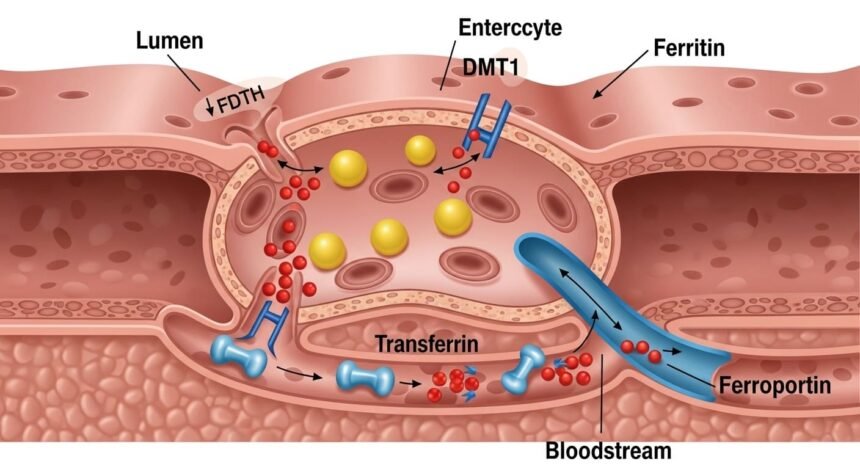
Iron is a vital mineral that plays a central role in energy production and immune function. Unfortunately, iron deficiency remains one of the most common nutritional challenges in the UK.
Combining specific ingredients can significantly alter how well your body utilises this mineral. A classic Lamb Tagine with apricots is more than just a delicious seasonal dish.
This meal represents a perfect biochemical synergy for maximising nutrient uptake. Understanding the science behind food pairing can transform your winter diet into a health-boosting regimen.
In this article, we explore why this specific combination works so effectively. We will also compare it to other seasonal favourites like Winter Porridge or hearty stews.
The Science of Haem vs. Non-Haem Iron
Dietary iron comes in two distinct forms. Haem iron is found in animal tissue, such as red meat, poultry, and fish.
Your body absorbs haem iron relatively easily. It is estimated that 15% to 35% of the haem iron you eat is utilised by your system.
Non-haem iron is found in plant foods. This includes grains, pulses, fruits, and vegetables.
Unfortunately, non-haem iron is less bioavailable. The body typically absorbs only 2% to 20% of the iron from plant sources.
However, you can manipulate this absorption rate. By pairing non-haem sources with absorption enhancers, you bridge the gap.
This is where our Lamb Tagine shines. It combines a rich source of haem iron with potent plant-based nutrients.
Why Lamb Tagine is a Nutritional Powerhouse
Lamb is a nutrient-dense red meat widely available across the UK. It provides high-quality protein and a substantial amount of haem iron.
A standard serving of stewed lamb can provide a significant portion of your daily requirement. This is crucial for preventing fatigue during the colder months.
The tagine cooking method is also beneficial. Slow cooking preserves the mineral content of the meat.
Unlike frying, which can create harmful compounds at high heat, stewing is gentle. It allows the nutrients to seep into the sauce, ensuring you consume them.
See the British Nutrition Foundation for more on red meat guidelines. They recommend moderate consumption of lean red meat as part of a balanced diet.
The Role of Apricots and Vitamin C
Dried apricots are a traditional component of North African tagines. They add a natural sweetness that balances the savoury meat.
Nutritionally, they are a secret weapon. Apricots contain non-haem iron, adding to the total mineral count of the dish.
More importantly, apricots provide compounds that aid absorption. While dried fruits lose some Vitamin C, they often retain beta-carotene and other acids.
When you add fresh ingredients or sides rich in Vitamin C, the effect multiplies. Ascorbic acid (Vitamin C) changes non-haem iron into a form the body can absorb easily.
Read more about this mechanism in our guide to nutrient pairing. It explains the chemistry of digestion in simple terms.
Comparing Winter Comfort Foods
Many traditional British winter dishes are filling but vary in nutrient density. Let us look at how they stack up against the tagine.
A bowl of Root Stew is excellent for fibre. However, without a protein source or Vitamin C, the iron absorption may be low.
Similarly, Hearty Broths made solely from bones provide collagen but variable iron levels. You need to ensure plenty of meat and vegetables are included.
Consider a Slow Cooker Bourguignon made with beef. This is chemically similar to the lamb dish and is also an excellent choice for iron.
However, the red wine often used in Bourguignon contains tannins. These can slightly inhibit iron uptake, unlike the citrus or fruit acids in a tagine.
Venison Stew is another high-iron contender. Venison is leaner than lamb, making it a heart-healthy option for many.
For those interested in game meat benefits, check this report from SACN. It details the micronutrient profiles of various meats.
Vegetable Sides That Boost Absorption
What you serve with your main meal matters. We often rely on starchy sides in winter.
Parsnip Soup is a popular starter. While delicious, parsnips are not the highest source of Vitamin C compared to leafy greens.
Braised Cabbage is a superior choice. Cabbage maintains a good level of Vitamin C even when cooked, helping you absorb the iron from your main course.
If you prefer rice dishes, a Winter Risotto with pumpkin or butternut squash is smart. The beta-carotene in orange vegetables has been shown to improve iron uptake.
Learn more about vegetable nutrients in our seasonal vegetable breakdown. It highlights the best produce to buy in January and February.
Vegetarian Alternatives and Iron
Not everyone eats meat. Vegetarians must work harder to maximise iron absorption.
A Vegetarian Shepherd’s Pie usually relies on lentils or meat substitutes. These sources contain only non-haem iron.
To get the most out of this meal, pair it with a glass of orange juice. Avoid drinking milk with it, as calcium blocks iron absorption.
Potato Leek Soup is a warming lunch option. However, potatoes are largely starch and water.
Fortify your soups with spinach or beans to add mineral density. You can also consult the Vegetarian Society for advice on plant-based iron.
Dishes like Winter Goulash can be made with beans instead of beef. Using plenty of peppers adds the necessary Vitamin C.
The Importance of Preparation Methods
How you cook your food affects its chemical structure. Overboiling vegetables destroys Vitamin C.
This reduces the “enhancer effect” for your iron. Steaming or roasting is often better for nutrient retention.
Roasted Tubers are a great example. Roasting carrots and sweet potatoes concentrates their flavour and retains beta-carotene.
Warm Lentils are an excellent side dish for increasing iron. Soaking lentils before cooking can also reduce phytates, which are compounds that block absorption.
For detailed cooking tips, visit our healthy cooking guide. Small changes in the kitchen make a big difference.
Dietary Inhibitors to Watch
Some foods actively stop your body from absorbing iron. This is known as inhibition.
The most common culprits are tea and coffee. They contain tannins and polyphenols.
Drinking tea with a meal can reduce iron absorption by up to 60%. This is a significant issue in British culture.
Calcium is another inhibitor. It interferes with both haem and non-haem iron.
This means a cheesy Winter Minestrone might not be as iron-rich as it appears. The cheese competes with the iron from the beans and vegetables.
The World Health Organization highlights dietary modification as a key strategy against anaemia. Timing your tea and dairy intake is essential.
Who Needs More Iron in Winter?
Certain groups are at higher risk of deficiency. Menstruating women require more iron due to monthly blood loss.
Pregnant women also have significantly higher demands. The developing baby requires iron stores for the first six months of life.
Elderly individuals may have lower appetites. They might rely on simple meals like toast, missing out on nutrient-dense foods.
Athletes engaged in high-impact training also need more iron. This is due to a phenomenon called “foot-strike haemolysis,” where red blood cells are destroyed.
Check our sports nutrition article for more details. Recovery meals are just as important as training sessions.
Signs You May Be Deficient
Iron deficiency develops slowly. Your body depletes its stores before you notice symptoms in your blood.
Fatigue is the most common sign. You may feel tired even after a full night of sleep.
Shortness of breath is another indicator. Iron carries oxygen, so low levels leave you gasping during simple activities.
Pale skin and brittle nails are visible signs. If you notice these, consult your GP.
The British Dietetic Association offers excellent fact sheets on spotting deficiency. Early intervention prevents long-term health issues.
Strategies for Better Winter Nutrition
Planning your meals is the best way to ensure nutrient adequacy. Relying on convenience foods often leads to poor mineral intake.
Try batch cooking on weekends. A large pot of tagine or stew improves in flavour over a few days.
Incorporate a variety of textures and colours. A diverse diet usually covers most micronutrient bases.
Avoid relying solely on supplements unless prescribed. Whole foods provide co-factors that pills cannot replicate.
See our analysis of supplements vs food. We explain why the food matrix matters.
Integrating Iron into Daily Meals
You do not need to eat lamb every day. Balance is key to a healthy gut and heart.
Alternate red meat days with plant-based days. Use cast-iron cookware to leach small amounts of iron into your food.
Snack on seeds and nuts. Pumpkin seeds are surprisingly high in iron.
Be mindful of “anti-nutrients” in grains. Choose sourdough bread, as the fermentation process breaks down phytates.
Visit the Government Eatwell Guide for portion advice. It visualises the ideal balance of food groups.
The Bottom Line
Maximising iron absorption is about smart combinations. Lamb Tagine with apricots is a premier example of this culinary chemistry.
The haem iron in the lamb works alongside the non-haem iron in the fruit. The absence of dairy and the presence of fruit acids create an ideal environment for uptake.
While dishes like Winter Porridge have their place, they serve different nutritional needs. For iron, savoury meat-and-fruit combinations are superior.
Remember to avoid tea and coffee for an hour around your main meal. This simple habit change can double your iron absorption.
Focus on nutrient-dense ingredients like leafy greens, red meats, and dried fruits. Avoid inhibitors like calcium-rich sauces during high-iron meals.
Winter is a time to nourish your body against the cold. By understanding these interactions, you ensure your comfort food is truly comforting your health.
For further reading on blood health, visit The American Society of Hematology (a global authority) or check The Cochrane Library for reviews. Always consult a professional before making drastic diet changes.
Explore our recipe archives for more ideas. From warming stews to nutrient-packed salads, we have you covered.