As the global population ages, the focus on maintaining quality of life and functional independence for seniors intensifies. Among the most critical health considerations for this demographic is bone health. While the general principles of nutrition and exercise are well-understood, developing truly personalized bone health regimens for senior populations requires a nuanced approach that considers individual risk profiles, comorbidities, lifestyle, and preferences. This article delves into the complexities of senior bone health, outlining comprehensive strategies for assessment, intervention, and ongoing management, designed for the discerning healthcare professional.
Understanding the Unique Challenges of Senior Bone Health
Aging inherently brings about physiological changes that can compromise bone integrity. Bone remodeling, a continuous process of old bone resorption and new bone formation, becomes imbalanced with age, leading to a net loss of bone mass. This age-related decline is accelerated by various factors, making a generic “one-size-fits-all” approach largely ineffective.
The Silent Threat: Osteoporosis and Fracture Risk Factors
Perhaps the most significant challenge is osteoporosis, a systemic skeletal disease characterized by low bone mass and microarchitectural deterioration of bone tissue, leading to increased bone fragility and a consequent increase in fracture risk factors. These fractures, particularly of the hip, spine, and wrist, can lead to chronic pain, disability, loss of independence, and even increased mortality. Effective osteoporosis prevention strategies are paramount. Understanding these risks – including age, gender, genetics, previous fractures, certain medications (e.g., glucocorticoids), and underlying medical conditions – forms the foundation of any personalized plan. The National Osteoporosis Foundation highlights the significant impact of this condition, emphasizing the need for proactive measures to mitigate its effects.
Menopause Bone Loss and Postmenopausal Bones
For women, the physiological changes associated with menopause represent a critical period for bone health. The sharp decline in estrogen levels during and after menopause significantly accelerates bone loss, leading to what is often referred to as menopause bone loss. This makes postmenopausal bones particularly vulnerable to osteoporosis and fractures. Healthcare professionals must recognize this heightened risk and integrate early screening and targeted interventions into care plans for senior women, often even before they reach advanced senior status, to lay a stronger foundation.
The Cornerstone of Personalized Regimens: Comprehensive Assessment
Effective personalized care begins with a thorough and multidimensional assessment. This extends beyond simple diagnostics to encompass a holistic view of the individual.
Beyond Bone Scan Results: A Holistic View
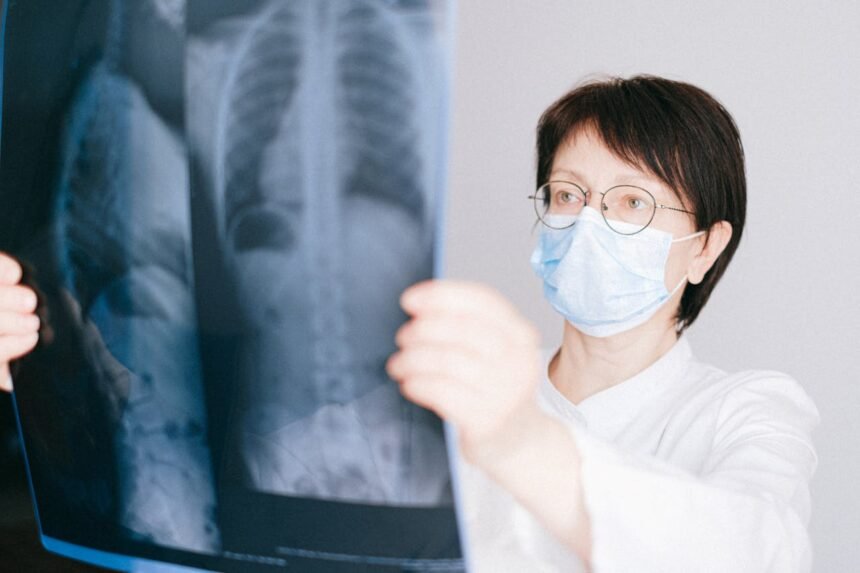
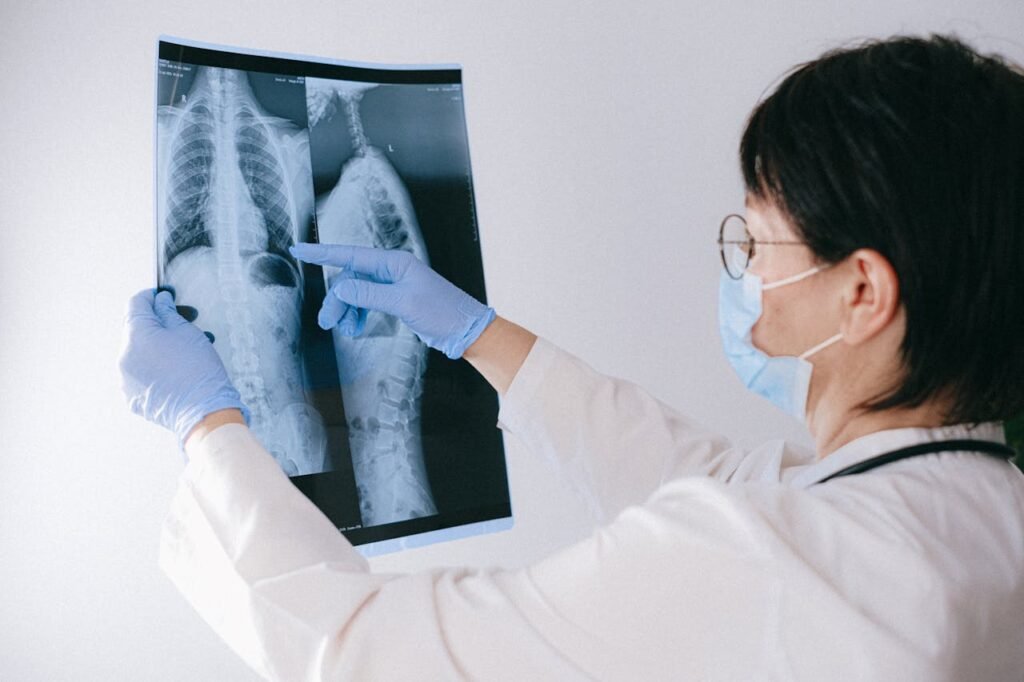
While bone scan results, specifically Dual-energy X-ray Absorptiometry (DEXA) scans, are invaluable for measuring bone mineral density (BMD) and diagnosing osteoporosis, they represent only one piece of the puzzle. A comprehensive assessment should include:
- Detailed Medical History: Reviewing past fractures, family history of osteoporosis, comorbidities (e.g., diabetes, thyroid disorders, kidney disease), medication use (e.g., proton pump inhibitors, SSRIs, anticonvulsants), and lifestyle factors (smoking, alcohol consumption).
- Nutritional Assessment: Evaluating dietary intake of calcium, Vitamin D, protein, and other essential micronutrients. This helps identify deficiencies that could impact bone health.
- Physical Activity Levels: Understanding current exercise routines, mobility, balance, and fall risk.
- Functional Assessment: Assessing activities of daily living (ADLs) and instrumental activities of daily living (IADLs) to gauge independence and identify areas for improvement or support.
- Blood Tests: Checking Vitamin D levels, calcium, phosphorus, parathyroid hormone, thyroid function, and other markers to rule out secondary causes of bone loss.
- Genetic Predisposition: While not routinely screened, understanding family history can provide additional context.
By integrating these data points, practitioners can move beyond basic bone density tips and develop truly tailored strategies. The National Institutes of Health provides comprehensive resources on bone density testing and interpretation, crucial for accurate diagnosis.
Pillars of a Personalized Bone Health Plan
A robust personalized bone health regimen for seniors integrates multiple components, each carefully selected and adjusted to the individual’s needs.
Optimizing Nutrition for Healthy Bones
Nutrition is a cornerstone of skeletal health. A healthy bone diet for seniors must focus on adequate intake of key nutrients, adjusted for potential malabsorption or dietary restrictions.
- Calcium: Essential for bone structure. While calcium rich foods like dairy (milk, yogurt, cheese) are primary sources, considerations for individuals with lactose intolerance or those following specific dietary patterns are critical. Dairy free calcium sources include fortified plant milks, leafy greens (kale, spinach), fortified cereals, and certain fish (sardines with bones).
- Vitamin D: Crucial for calcium absorption and bone mineralization. Sun exposure is a natural source, but many seniors have insufficient levels due to reduced outdoor activity or decreased skin synthesis. Supplementation is often necessary. Regular monitoring of vitamin D bones levels ensures optimal dosing.
- Magnesium: Often overlooked, magnesium bone health is vital. It plays a role in bone formation, Vitamin D activation, and calcium regulation. Rich sources include nuts, seeds, legumes, whole grains, and leafy green vegetables.
- Protein: Adequate protein intake is essential for collagen synthesis, which forms the organic matrix of bone. Studies suggest protein supplementation can support bone health, particularly after a fracture.
- Vitamin K: Important for bone metabolism and matrix protein synthesis. Found in leafy green vegetables.
- Bone Healing Foods: Beyond daily maintenance, a diet rich in protein, Vitamin C, zinc, and other micronutrients is crucial for bone healing foods post-fracture, supporting recovery and preventing further complications.
- Vegan Bone Nutrients: For seniors adhering to a vegan diet, careful planning is needed to ensure adequate intake of calcium, Vitamin D, B12, and omega-3 fatty acids, often requiring fortified foods or supplements. Resources like Harvard Health provide excellent guidance on optimizing nutrient intake from plant-based sources.
- Bone Broth Benefits: While an ancient remedy, bone broth benefits are gaining renewed attention. Rich in collagen, amino acids, and minerals, it can be a supportive addition for bone and joint health, especially for those recovering from injury or seeking additional nutritional support.
Targeted Exercise for Bone Strength and Balance
Physical activity is crucial not only for maintaining bone density but also for improving balance, coordination, and muscle strength, thereby reducing fall risk. Exercise prescriptions must be individualized, considering physical limitations, pain levels, and existing health conditions.
- Weight Bearing Workouts: These are fundamental for stimulating bone formation. Activities like walking, jogging (if appropriate), stair climbing, dancing, and hiking place stress on bones, signaling them to become stronger. For seniors, low-impact weight bearing workouts are typically preferred.
- Bone Strength Exercises: Incorporating resistance training using free weights, resistance bands, or bodyweight can significantly improve muscle strength, which indirectly supports bone health and reduces fall risk. Examples include squats, lunges (modified as needed), push-ups against a wall, and bicep curls.
- Balance and Flexibility: Tai Chi, yoga, and specific balance exercises (e.g., standing on one leg) are invaluable for improving proprioception and reducing the likelihood of falls, a major contributor to fractures in seniors.
- Runner Bone Stress: While directly applicable to younger, active individuals, the principle of appropriate load and progressive overload applies. For seniors, this means gradually increasing activity levels to avoid injury while still providing sufficient stimulus for bone adaptation. The American Academy of Orthopaedic Surgeons offers guidelines on safe exercise for seniors.
Lifestyle Modifications and Proactive Prevention
Beyond diet and exercise, several lifestyle factors contribute significantly to bone health.
- Smoking Cessation: Smoking has a detrimental effect on bone density and increases fracture risk.
- Moderate Alcohol Intake: Excessive alcohol consumption can impair bone formation and increase fall risk.
- Fall Prevention: A multifaceted approach including home safety assessments, vision checks, medication reviews (to identify drugs causing dizziness), and appropriate footwear is crucial.
- Medication Review: Regularly assessing medications for bone-damaging side effects or interactions is essential.
Addressing Comorbidities: Arthritis Bone Care
Many seniors manage multiple chronic conditions. For those with arthritis, managing pain and inflammation while promoting bone health can be challenging. Arthritis bone care requires a delicate balance. Exercise regimens must be adapted to avoid exacerbating joint pain, focusing on gentle, joint-friendly activities. Nutritional strategies might also need to consider anti-inflammatory foods. The Arthritis Foundation provides resources specifically addressing the interplay between arthritis and bone health.
Comparing Key Bone Nutrients for Seniors
| Nutrient | Primary Role in Bone Health | Key Food Sources (Senior-Friendly) | Daily Intake Target (Adults 50+) | Considerations for Seniors |
|---|---|---|---|---|
| Calcium | Bone structure, strength, nerve/muscle function | Dairy, fortified plant milks, leafy greens, fortified cereals, sardines | 1000-1200 mg | Absorption decreases with age; consider dairy-free options. |
| Vitamin D | Calcium absorption, bone mineralization | Fatty fish, fortified foods, sun exposure (limited effectiveness in seniors) | 800-1000 IU | Often deficient; supplementation usually recommended. |
| Magnesium | Bone formation, Vitamin D activation, muscle function | Nuts, seeds, legumes, whole grains, leafy greens | 320-420 mg | Interactions with medications; often deficient. |
| Protein | Bone matrix (collagen), muscle strength | Lean meats, poultry, fish, eggs, legumes, dairy | 1.0-1.2 g/kg body weight | Essential for muscle and bone repair; crucial post-fracture. |
| Vitamin K | Bone metabolism, matrix protein synthesis | Leafy green vegetables, broccoli, fermented foods | 90-120 mcg | Caution with blood thinners (warfarin). |
Frequently Asked Questions
Q1: Can osteoporosis be reversed in seniors?
A1: While significant reversal of bone loss is challenging, personalized regimens can effectively halt progression, improve bone density to some extent, and drastically reduce the risk of fractures. Early and consistent intervention is key.
Q2: Are there specific exercises to avoid for seniors with low bone density?
A2: Yes, high-impact activities, twisting motions (especially of the spine), and exercises that involve heavy lifting without proper form should generally be avoided. Focus on controlled, low-impact weight bearing workouts and bone strength exercises, always consulting with a physical therapist.
Q3: How often should bone density be monitored in seniors?
A3: The frequency of DEXA scans depends on individual risk factors, previous bone scan results, and treatment status. Generally, every 1-2 years is common for those with osteoporosis or osteopenia, but clinical judgment should guide this decision.
Q4: What about kids bone growth in the context of senior bone health?
A4: While kids bone growth refers to the foundational period of bone development, it’s highly relevant for seniors. The peak bone mass achieved in youth directly impacts bone health in later life. Emphasizing optimal nutrition and activity from childhood can significantly reduce osteoporosis risk in senior years, highlighting a lifetime approach to bone health.
Q5: How can a senior safely engage in physical activity if they have joint pain from arthritis bone care needs?
A5: It’s crucial to tailor activities to avoid exacerbating joint pain. Low-impact options like swimming, cycling, Tai Chi, and chair exercises are excellent choices. Working with a physical therapist to develop a personalized program that strengthens muscles around joints without causing undue stress is highly recommended.
Conclusion
Developing personalized bone health regimens for senior populations is a complex yet immensely rewarding endeavor. It moves beyond generic recommendations, embracing a holistic, individualized strategy rooted in comprehensive assessment and dynamic intervention. By focusing on targeted nutrition, appropriate exercise, strategic lifestyle modifications, and proactive management of comorbidities, healthcare professionals can empower seniors to maintain bone integrity, reduce fracture risk, and significantly enhance their quality of life and independence. The future of senior care lies in these tailored, preventive, and supportive approaches to bone health.