There are few dishes as universally comforting as a warm bowl of tomato soup. For many across the UK, it evokes memories of rainy afternoons and simple, hearty lunches. However, beyond its reputation as a classic comfort food, homemade tomato soup is a nutritional powerhouse capable of supporting your immune system and overall health.
While it is easy to reach for a tin from the supermarket shelf, the industrial processing of canned soups often diminishes their nutritional value while adding excessive sodium and preservatives. In contrast, preparing this meal from scratch allows you to harness the full spectrum of bioactive compounds found in tomatoes.
From bolstering your immune defences during the cold season to supporting cardiovascular health, the benefits of this vibrant red fruit are backed by rigorous scientific study. By understanding the specific nutrients involved—such as lycopene, vitamin C, and potassium—you can transform a simple lunch into a proactive health measure.
This article explores the evidence-based benefits of homemade tomato soup, analyses its nutritional profile, and provides actionable tips for maximising its health potential.
The Nutritional Science of Cooked Tomatoes
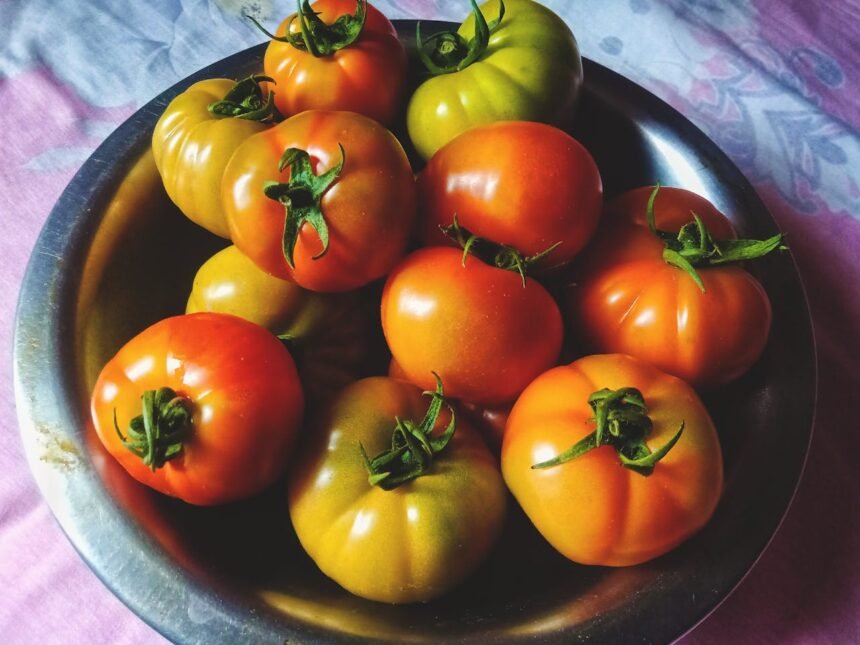
Tomatoes (Solanum lycopersicum) are often mistaken for vegetables in the culinary world, though they are botanically fruits belonging to the nightshade family. They are nutrient-dense, providing significant amounts of folate, potassium, and vitamins C and K. However, their most notable compound is lycopene, a powerful antioxidant responsible for their characteristic red colour.
Why soup is superior to salad for lycopene
One might assume that raw tomatoes offer the best nutrition. However, research suggests that the cooking process involved in making soup actually enhances the bioavailability of lycopene. Heat breaks down the tough cell walls of the tomato, releasing the antioxidants and making them easier for your body to absorb.
Furthermore, lycopene is fat-soluble. When you prepare homemade soup with a source of healthy fat—such as extra virgin olive oil—you significantly increase your body’s ability to uptake this critical nutrient. This synergy between ingredients is what makes tomato soup benefits so potent compared to consuming the ingredients in isolation.
According to the NHS, maintaining a diet rich in fruits and vegetables is crucial for disease prevention. Incorporating cooked tomato products is an efficient way to meet your ‘5 A Day’ target while delivering a concentrated dose of antioxidants.
Detailed Breakdown: Health Benefits and Mechanisms
1. Potent Antioxidant Protection
Oxidative stress is a condition where there is an imbalance between free radicals and antioxidants in your body. This imbalance can lead to cellular damage and is a key driver of chronic inflammation. Homemade tomato soup is loaded with antioxidants, primarily lycopene, flavonoids, and vitamin C.
These compounds neutralise free radicals, effectively reducing oxidative stress. High dietary intake of lycopene has been linked to a reduced risk of chronic conditions. For instance, data from Cancer Research UK highlights the potential role of antioxidants in reducing the risk of certain cancers, specifically prostate cancer. The mechanism involves lycopene interfering with the signalling pathways that cause cells to grow uncontrollably.
2. Immune System Support
During the winter months, your immune system requires adequate nutrition to function optimally. Tomato soup is an excellent source of vitamin C (ascorbic acid) and vitamin A (in the form of beta-carotene).
- Vitamin C: This vitamin stimulates the production of white blood cells, including phagocytes and lymphocytes, which help protect the body against infection.
- Beta-Carotene: Once converted to vitamin A, this nutrient helps maintain the integrity of mucosal barriers in your eyes, nose, and gut, serving as the first line of defence against pathogens.
A deficiency in these micronutrients can result in impaired immunity and higher susceptibility to infections. The British Nutrition Foundation emphasises that a varied diet rich in these vitamins is essential for normal immune function.
3. Cardiovascular Health and Blood Pressure
Heart disease remains a leading cause of mortality globally. The nutritional profile of tomato soup directly addresses several risk factors associated with cardiovascular health.
Firstly, tomatoes are rich in potassium. The British Heart Foundation (BHF) notes that potassium helps to lower blood pressure by countering the negative effects of sodium. It relaxes the walls of your blood vessels, allowing blood to flow more freely.
Secondly, lycopene has been shown to lower LDL (bad) cholesterol levels. High levels of LDL cholesterol can lead to plaque buildup in the arteries. By reducing oxidation of LDL cholesterol, the antioxidants in tomato soup help prevent atherosclerosis (hardening of the arteries).
4. Skin Health and UV Protection
Interestingly, the benefits of tomato soup extend to your skin. The carotenoids found in tomatoes—lycopene and beta-carotene—accumulate in the skin and can provide a layer of protection against damage from ultraviolet (UV) light.
While this is not a substitute for sunscreen, studies suggest that regular consumption of processed tomato products can increase the skin’s natural defence against sunburn (erythema). This creates a baseline of protection against photo-ageing. Furthermore, vitamin C is essential for the synthesis of collagen, the protein that gives skin its structure and elasticity.
5. Eye Health
Tomatoes contain lutein and zeaxanthin, two carotenoids that are critical for eye health. These compounds filter harmful blue light and protect the retina from oxidative damage. Regular intake is associated with a lower risk of age-related macular degeneration (AMD), a common cause of vision loss in older adults.
Nutritional Data Profile
Understanding the macronutrient and micronutrient breakdown of homemade tomato soup helps in meal planning. The following table illustrates the approximate nutritional value of a standard serving (245g) of homemade tomato soup prepared with olive oil.
| Nutrient | Amount per Serving | % Daily Reference Intake (RI) |
|---|---|---|
| Calories | 110 kcal | 5.5% |
| Carbohydrates | 14 g | 5% |
| Fibre | 2 g | 7% |
| Fat | 5 g | 7% |
| Protein | 3 g | 6% |
| Vitamin C | 25 mg | 31% |
| Potassium | 550 mg | 16% |
| Lycopene | 16 mg | N/A (High) |
Note: Values may vary based on specific recipes and ingredients used.
Tips for Preparation and Management
To maximise the health benefits of your soup, the preparation method matters significantly. Here are evidence-based tips for creating a nutrient-dense meal.
Prioritise Whole Ingredients
Avoid using pre-made bases or stock cubes high in sodium. Instead, roast fresh Roma or plum tomatoes with garlic, onions, and fresh herbs. The Gov.uk Eatwell Guide suggests choosing lower-salt options whenever possible to maintain healthy blood pressure.
Don’t Forget the Fat
As mentioned, lycopene absorption requires dietary fat. Sautéing your onions in extra virgin olive oil or drizzling oil over the finished soup is mandatory for bioavailability. Olive oil also adds monounsaturated fats, which are heart-healthy.
Enhance with Spices
Adding black pepper and turmeric can further boost the anti-inflammatory properties of the soup. Black pepper contains piperine, which enhances the absorption of curcumin (from turmeric) and potentially other nutrients.
Watch the Add-ins
Traditional recipes often call for heavy cream or added sugar to cut the acidity. To keep the meal healthy:
- Use a potato or cauliflower to thicken the soup instead of flour or cornstarch.
- Balance acidity with carrots or sautéed onions rather than refined sugar.
- If you need creaminess, opt for a dollop of Greek yoghurt or coconut milk.
Frequently Asked Questions
Is canned tomato soup as healthy as homemade?
Generally, no. While canned soup still contains lycopene, it is often laden with added sugars and high levels of salt. Furthermore, some cans are lined with Bisphenol A (BPA), a chemical that can interfere with hormones. Diabetes UK advises checking labels for hidden sugars, which are common in processed savoury foods.
Can tomato soup help with weight loss?
Yes. Tomato soup is a low-energy-density food, meaning it provides few calories relative to its volume. The high water and fibre content can promote satiety (feeling full), which may reduce overall calorie intake. Research published regarding satiety indicates that starting a meal with a low-calorie soup can reduce the total energy intake of that meal.
Does tomato soup cause acid reflux?
For some individuals, yes. Tomatoes are naturally acidic and contain malic and citric acids. This can trigger heartburn in people with Gastro-oesophageal Reflux Disease (GORD). If you are sensitive, you may need to limit your intake or consult guidance from the NHS regarding heartburn triggers.
The Bottom Line
Homemade tomato soup is far more than a simple comfort food; it is a scientifically supported vehicle for delivering essential nutrients to your body. Its high concentration of lycopene, vitamin C, and potassium makes it an excellent choice for supporting immunity, heart health, and skin protection.
By preparing it at home, you avoid the pitfalls of excess sodium and sugar found in industrial versions. Remember to cook your tomatoes with a source of healthy fat, such as olive oil, to ensure your body absorbs the antioxidants effectively.
Incorporating this nutrient-dense meal into your weekly rotation is a delicious, practical strategy for maintaining long-term health. For more detailed advice on maintaining a balanced diet, resources like the BBC Good Food health section or scientific literature from PubMed can provide further reading on nutrient bioavailability.