Swiss chard, a verdant leafy green belonging to the Chenopodioideae subfamily, is a nutritional powerhouse celebrated for its vibrant stems and nutrient-dense leaves. A common debate among nutrition enthusiasts and culinary experts revolves around the optimal consumption method: raw or cooked. While raw Swiss chard preserves heat-sensitive vitamins like Vitamin C and certain antioxidants, cooking plays a crucial role in breaking down fibrous cell walls and reducing antinutrients such as oxalates.
This reduction in oxalates is significant for mineral absorption and kidney health. Ultimately, the choice between raw and cooked chard depends on your specific health goals, digestive tolerance, and the need to balance bioavailability with nutrient retention. Understanding the biochemical changes that occur during thermal processing can help you make informed dietary decisions.
The Nutritional Profile of Swiss Chard
Before dissecting the impact of heat, it is essential to understand what makes Swiss chard such a valuable addition to a balanced diet. This leafy green is packed with vitamins, minerals, and plant compounds. It is exceptionally high in Vitamin K, providing hundreds of times the daily recommended intake in a single serving, which is vital for bone health and blood clotting. Additionally, chard is a robust source of magnesium, potassium, iron, and Vitamin A (in the form of beta-carotene).
According to the USDA FoodData Central, Swiss chard is low in calories but dense in micronutrients. However, the presence of these nutrients does not guarantee their absorption. Bioavailability—the proportion of a nutrient that is digested, absorbed, and metabolized through normal pathways—varies significantly based on preparation methods. For more on the general benefits of greens, read our article on understanding leafy greens nutrition.
The Case for Raw Swiss Chard
Eating Swiss chard raw, typically in salads or smoothies, is often advocated by proponents of raw food diets. The primary argument for raw consumption centers on the preservation of water-soluble vitamins and enzymes that are susceptible to degradation under heat.
Preserving Vitamin C
Vitamin C (ascorbic acid) is perhaps the most volatile nutrient in Swiss chard. It is highly sensitive to heat and leaches into cooking water easily. The National Institutes of Health (NIH) notes that prolonged cooking can destroy a significant percentage of a food’s Vitamin C content. Consuming chard raw ensures you receive the maximum amount of this immune-boosting vitamin, which is also essential for collagen synthesis. If you are looking to boost your intake, check out our guide on maximizing Vitamin C benefits.
Protecting Certain Antioxidants
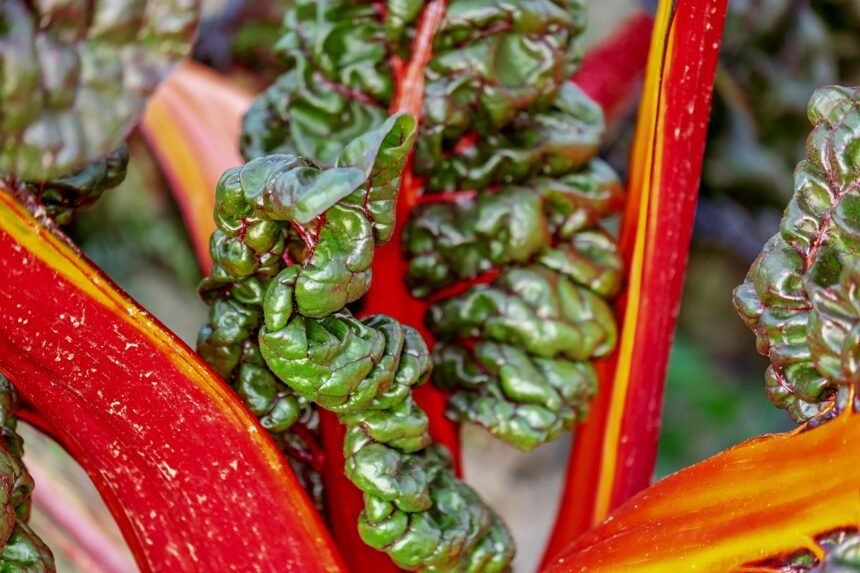
Swiss chard contains a variety of antioxidants, including betalains (found in the colorful stems) and flavonoids. Some studies suggest that thermal processing can degrade these bioactive compounds. By eating the leaves raw, you may preserve a higher concentration of these specific phytochemicals, which help combat oxidative stress in the body. Learn more about how to incorporate antioxidant-rich foods into your daily routine.
The Case for Cooked Swiss Chard
While raw chard offers specific benefits, there is a compelling scientific argument for cooking this vegetable. The primary reason involves the plant’s cellular structure and the presence of antinutrients.
Breaking Down Cell Walls
Plant cells are encased in tough fibrous walls that the human digestive system cannot fully break down on its own. Cooking softens these fibers, releasing nutrients that are otherwise locked inside the cellular matrix. This process makes it easier for your body to extract carotenoids like beta-carotene. Without heat, much of this precursors to Vitamin A might pass through your digestive tract unabsorbed.
The Oxalate Factor
The most significant argument against consuming large quantities of raw Swiss chard is its high oxalate content. Oxalic acid is an organic compound found in many plants, including spinach and beet greens. It acts as an antinutrient by binding to minerals like calcium and iron to form crystals, which can inhibit mineral absorption. According to the National Kidney Foundation, high levels of oxalates can increase the risk of kidney stones in susceptible individuals.
Cooking Swiss chard significantly reduces oxalate levels. Boiling is the most effective method for lowering oxalates because the compound is water-soluble and leaches into the cooking liquid, which is then discarded. This makes the calcium and iron naturally present in the chard more bioavailable. For those with a history of renal issues, reading our post on kidney stone prevention strategies is highly recommended.

Nutrient Retention by Cooking Method
Not all cooking methods are created equal. The way you apply heat determines which nutrients are lost and which are made more bioavailable.
Boiling
Boiling is a double-edged sword. As mentioned, it is highly effective at reducing oxalates—some studies suggest reductions of up to 87%. However, it also causes the greatest loss of water-soluble vitamins like Vitamin C and the B-complex vitamins. Minerals like potassium also leach into the water. If you boil chard to reduce oxalates, do not consume the water. If you are unconcerned about oxalates, this method is chemically the most destructive to the vitamin profile.
Steaming
Steaming is often considered the middle ground. It subjects the greens to heat, wilting them enough to break down cell walls and reduce volume, but it does not involve submersion in water. Consequently, steaming retains significantly more Vitamin C and folate than boiling. The Harvard T.H. Chan School of Public Health suggests steaming as a preferred method for preserving nutrients in vegetables while improving texture.
Sautéing and Stir-Frying
Sautéing chard in a small amount of healthy fat is excellent for flavor and nutrient absorption. Because Vitamins A, E, and K are fat-soluble, cooking chard with olive oil or avocado oil enhances the body’s ability to absorb them. Research published in PubMed indicates that the presence of dietary fat significantly increases the plasma concentration of carotenoids after ingestion. While some Vitamin C is lost due to heat, the gain in fat-soluble vitamin absorption is a worthy trade-off. See our review of healthy fats for cooking.
Bioavailability and Nutrient Synergy
Nutrition is rarely about a single element in isolation. The interactions between different food components—synergy—play a massive role in how much nutrition you actually derive from Swiss chard.
Iron Absorption
Swiss chard acts as a source of non-heme iron. Unfortunately, non-heme iron is not as easily absorbed as the heme iron found in animal products. To improve this, you should pair Swiss chard with a source of Vitamin C. Interestingly, while cooking chard destroys its own Vitamin C, squeezing fresh lemon juice over cooked chard can replenish the Vitamin C and acidify the environment, which significantly boosts iron uptake. For more on managing iron levels, refer to our article on fighting iron deficiency anemia.
Magnesium and Muscle Function
Magnesium is essential for muscle and nerve function, blood sugar control, and blood pressure regulation. Cooking chard concentrates the magnesium because the greens shrink dramatically in volume. A cup of cooked chard contains much more magnesium than a cup of raw chard simply due to density. The American Heart Association highlights magnesium as a key mineral for heart health. If you struggle with digestion, cooked greens are also gentler on the gut; read more at improving digestive health.
Safety Considerations
Beyond nutrition, safety is a factor in the raw vs. cooked debate.
Foodborne Illness
Raw leafy greens are occasionally susceptible to bacterial contamination, such as E. coli or Salmonella. The complex surface of the leaves provides many hiding spots for bacteria. Cooking kills these pathogens, making the food safer to eat, especially for pregnant women, the elderly, or those with compromised immune systems. The Centers for Disease Control and Prevention (CDC) advises thorough washing, but notes that cooking is the only way to kill bacteria completely.
Digestive Comfort
Raw Swiss chard contains substantial amounts of fiber. While fiber is vital for health, a sudden increase in raw roughage can cause bloating and gas in some individuals. Cooking breaks down some of the hemicellulose, making it easier to digest. Learn about the importance of fiber in our guide to dietary fiber.
Practical Recommendations
To maximize the health benefits of Swiss chard, a mixed approach is often best. Rotating between raw and cooked preparations ensures you get the benefits of both worlds—enzymes and Vitamin C from raw, and enhanced mineral availability and reduced oxalates from cooked.
- For Salads: Use young, tender leaves (baby chard). They are lower in oxalic acid and fiber than mature leaves, making them more palatable and easier to digest raw.
- For Sautéing: Use mature leaves and stems. Chop the stems and cook them a few minutes before adding the leaves, as the stems are fibrous and take longer to soften.
- Blanching: Briefly immersing chard in boiling water and then an ice bath can reduce oxalates and kill surface bacteria while maintaining the bright color and minimizing nutrient loss.
Incorporating chard into a broader meal plan is key. Visit our vegetable meal prep guide for ideas. Furthermore, ensuring a balanced diet requires variety, so rotate chard with other greens like kale and spinach.
For detailed chemical analysis of chlorophyll and its benefits which are retained in chard, the Linus Pauling Institute offers excellent resources. Additionally, the Academy of Nutrition and Dietetics provides consumer-friendly advice on handling leafy greens safely.
Takeaway
Both raw and cooked Swiss chard have a place in a healthy diet, but they offer different nutritional profiles. Raw chard is superior for Vitamin C and enzyme preservation but comes with high oxalate levels that can inhibit mineral absorption. Cooked chard, particularly when boiled or sautéed, offers significantly lower oxalate levels, safer food hygiene, and better absorption of fat-soluble vitamins (A, E, K) and minerals like magnesium and iron.
For most people, consuming cooked Swiss chard—paired with a healthy fat like olive oil and a splash of lemon juice—provides the most bioavailable nutritional punch. However, adding baby chard to salads occasionally is a safe and healthy way to enjoy its fresh texture. By understanding these nuances, you can tailor your preparation methods to support your specific health needs.