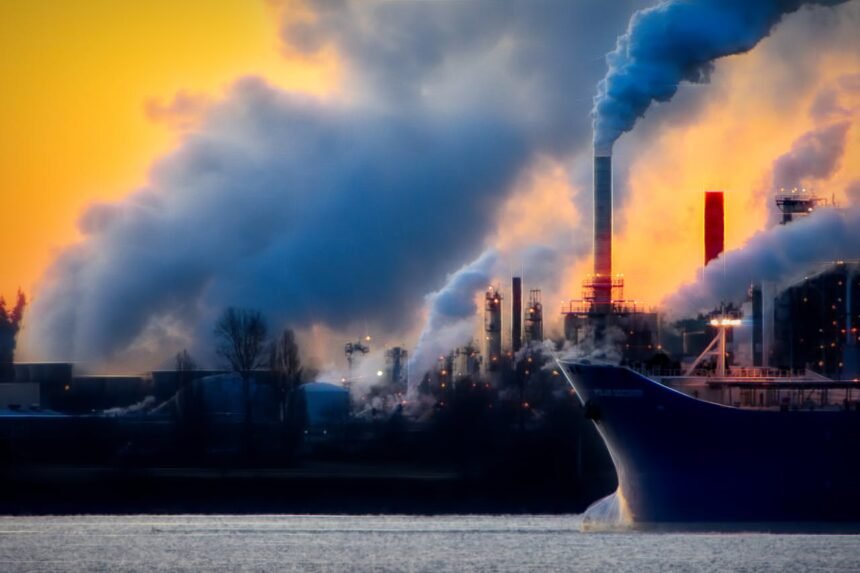
We often associate premature skin ageing with sunny days and ultraviolet (UV) rays. While sun damage is a primary culprit, living in an urban environment brings another invisible threat to your complexion: air pollution.
If you live in a bustling city or near a busy road, you might notice that your skin feels grittier, looks duller, or seems to be developing fine lines faster than expected. This is not a coincidence.
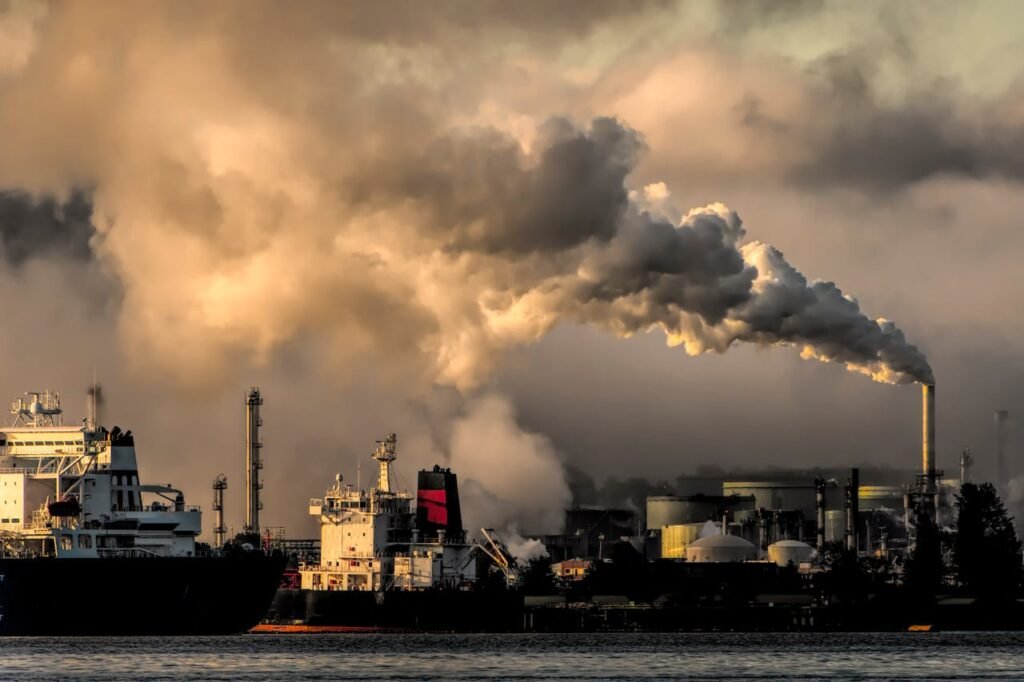
Recent dermatological research indicates that environmental pollutants are a significant contributor to extrinsic ageing. It is estimated that a vast majority of the global population breathes air that exceeds safety guidelines, meaning your skin is under constant siege.
The link between dirty air and skin health is complex, involving microscopic particles, chemical reactions, and the breakdown of your skin’s natural defences.
Here is an evidence-based look at how air pollution affects your skin and actionable steps you can take to protect it.
What is pollution-induced skin ageing?
Air pollution is a cocktail of contaminants. While it is widely known to harm the lungs and heart, the World Health Organization (WHO) recognises it as a major environmental risk that impacts multiple organ systems, including the skin.
The skin is your body’s largest organ and acts as the primary interface between your internal systems and the external environment. This makes it particularly vulnerable to environmental stressors.
The main pollutants that damage the skin include:
- Particulate Matter (PM): These are microscopic particles suspended in the air. PM2.5 (particles smaller than 2.5 micrometres) are fine enough to penetrate pores.
- Polycyclic Aromatic Hydrocarbons (PAHs): Chemicals released from burning coal, oil, petrol, and wood.
- Nitrogen Dioxide (NO2): A common traffic-related gas.
- Ground-level Ozone: Formed when sunlight reacts with industrial emissions.
The mechanism of damage
Unlike UV rays which damage DNA directly, pollution works largely through oxidative stress. When pollutants land on your skin or penetrate the epidermis, they trigger the generation of free radicals.
According to research highlighted by the British Association of Dermatologists, these unstable molecules attack healthy cells. This triggers an inflammatory response, activating enzymes called metalloproteinases. These enzymes break down collagen and elastin—the structural proteins that keep your skin firm and youthful.
Furthermore, pollution damages the skin barrier (the stratum corneum), leading to increased moisture loss and sensitivity. Over time, this chronic inflammation manifests as visible signs of ageing.
Symptoms and signs of pollution damage
Pollution affects everyone differently, but specific patterns have emerged in clinical studies comparing rural and urban populations.
A landmark study published in the Journal of Investigative Dermatology found that women living in urban areas with high levels of soot and traffic pollution had significantly more pigment spots on their faces than those living in rural areas.
Common signs include:
- Hyperpigmentation: Dark spots (lentigines) and uneven skin tone are strongly linked to traffic-related air pollution.
- Dehydration and dullness: A compromised barrier cannot hold water effectively, leading to a lacklustre complexion.
- Premature wrinkles: Specifically nasolabial folds (smile lines) and forehead creases caused by collagen degradation.
- Increased sensitivity: Redness, itching, or exacerbation of conditions like eczema and rosacea.
- Acne breakouts: Oxidised sebum (oil) on the skin surface can clog pores more easily, leading to inflammatory acne.
Actionable steps to protect your skin
While you cannot completely control the air quality around you, you can significantly mitigate the damage with a targeted skincare routine and lifestyle adjustments.
1. Master the double cleanse
Cleaning your face is the most critical step in removing particulate matter. Simply splashing water or using a wipe is insufficient for city dwellers.
Pollutants like PAHs are lipophilic, meaning they dissolve in oil. A water-based cleanser might not remove them effectively. Experts recommend a double cleansing method in the evening:
- Step One: Use an oil-based cleanser or balm to dissolve surface grime, sunscreen, and oil-soluble pollutants.
- Step Two: Follow with a gentle water-based gel or cream cleanser to wash away sweat and residue.
According to Healthline, ensuring your barrier remains intact during cleansing is vital, so avoid harsh scrubs that strip natural oils.
2. Prioritise antioxidants
Since pollution causes damage via oxidative stress, antioxidants are your primary line of defence. They work by neutralising free radicals before they can harm your collagen.
Look for serums containing:
- Vitamin C: A powerhouse brightener that also boosts collagen production.
- Vitamin E: Works synergistically with Vitamin C to protect cell membranes.
- Ferulic Acid: Stabilises Vitamins C and E and doubles their photo-protection capacity.
- Resveratrol: A potent antioxidant often derived from grapes.
Applying a high-quality antioxidant serum every morning creates a chemical shield on your skin.
3. Fortify your barrier
A strong moisture barrier prevents particles from penetrating deep into the epidermis. If your barrier is weak, pollutants walk right in.
Ingredients that mimic the skin’s natural structure are best for this:
- Ceramides: Lipids that hold skin cells together like mortar.
- Niacinamide (Vitamin B3): Shown to reduce inflammation and strengthen barrier function.
- Hyaluronic Acid: Binds moisture to the skin to combat pollution-induced dehydration.
4. Never skip sunscreen
There is a synergistic toxicity between UV rays and pollution. UV light can “activate” certain pollutants on the skin, intensifying the oxidative stress.
The NHS advises using a high SPF sunscreen daily. Mineral sunscreens containing zinc oxide or titanium dioxide may offer a slight physical advantage by forming a literal shield on the skin surface, though chemical sunscreens are also effective if they contain high antioxidants.
5. Monitor air quality levels
Be proactive about your exposure. In the UK, you can check daily pollution forecasts via GOV.UK or local weather apps.
On days with “High” or “Very High” pollution alerts:
- Limit prolonged outdoor exercise, especially near busy roads.
- Keep windows closed during peak traffic hours.
- Ensure you cleanse your skin immediately upon returning home.
Comparison: UV Damage vs. Pollution Damage
Understanding how these two environmental aggressors differ can help you tailor your protection strategy.
| Feature | UV Damage (Photo-ageing) | Pollution Damage |
|---|---|---|
| Primary Cause | Ultraviolet Radiation (UVA/UVB) | Particulate Matter (PM2.5), PAHs, NO2 |
| Main Mechanism | DNA Mutation & Elastin breakdown | Oxidative Stress & Inflammation |
| Visible Signs | Deep wrinkles, leathery texture, sun spots | Pigmentation spots, dullness, sensitivity |
| Barrier Impact | Thickens the outer layer (leathery skin) | Weakens the barrier (dry, sensitive skin) |
| Best Defence | Broad-spectrum SPF | Antioxidants & Cleansing |
| Synergy | Increases vulnerability to pollution | Activated by UV rays to cause more harm |
Frequently Asked Questions
Does indoor air pollution affect skin?
Yes. Indoor air can be just as polluted as outdoor air due to cooking fumes, cleaning chemicals, and dust. Sources like wood-burning stoves are significant contributors to indoor particulate matter. Regularly ventilating your home and using an air purifier with a HEPA filter can help reduce this risk.
Can diet help combat pollution damage?
Absolutely. Eating a diet rich in antioxidants helps your body fight free radicals from the inside out. The British Skin Foundation recommends a balanced diet full of colourful fruits and vegetables. Foods high in lycopene (tomatoes), beta-carotene (carrots), and Vitamin E (almonds) are particularly beneficial for skin health.
Is “anti-pollution” skincare just a marketing gimmick?
Not necessarily, but the term is unregulated. While you do not strictly need a product labelled “anti-pollution,” you do need the ingredients usually found in them—specifically antioxidants and barrier-repairing agents. A good Vitamin C serum and a ceramide moisturiser constitute effective anti-pollution care, regardless of the label.
Do heavy metals in the air harm skin?
Yes. Heavy metals like lead and arsenic can adhere to particulate matter. Research suggests these metals can accumulate in the skin, interfering with cellular renewal and contributing to chronic inflammation.
The Bottom Line
Air pollution is a verified contributor to premature skin ageing, rivalled only by sun exposure. The microscopic particles found in city air—specifically traffic emissions and soot—generate oxidative stress that breaks down collagen and leads to pigmentation and dullness.
However, you are not helpless against the environment. By adopting a routine that focuses on thorough double cleansing, consistent antioxidant application, and strict sun protection, you can significantly neutralise these effects.
Healthy skin is a reflection of overall health. Protecting your body from pollutants helps maintain a radiant complexion and supports your general wellbeing in the long term. If you have concerns about sudden pigment changes or persistent irritation, consult a GP or a dermatologist for personalised advice.
For more information on skin health, you can visit resources provided by the British Association of Dermatologists.