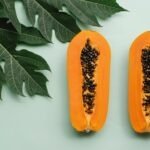
Horticultural Analysis: Tracking the Growth Stages of the Red Lady Papaya
The Carica papaya, particularly the "Red Lady" variety, represents a pinnacle of horticultural engineering. Known for its early fruiting, resistance to ring-spot virus, and high yield, the Red Lady is a staple for both commercial farmers and serious home growers. Unlike traditional varieties, this cultivar is self-fertile, eliminating the complex logistical challenge of managing male vs female papaya plant ratios in the orchard. Understanding the lifecycle of this plant—from the moment you learn how to plant papaya seeds in a pot to the post-harvest processing—is essential for maximizing output. This analysis tracks the growth stages while integrating the myriad health, culinary, and cosmetic applications that drive market demand.
Stage 1: Germination and Seedling Establishment
The lifecycle begins with seed selection. While many growers purchase F1 hybrid seeds, others attempt to learn how to harvest papaya seeds from existing fruit. However, F1 seeds do not breed true, so purchasing certified stock is recommended. For those asking how to grow papaya from seed at home, the process requires maintaining a soil temperature between 75-80°F.
During this delicate phase, horticulturalists often experiment with by-products. Interestingly, the papaya seeds for skin treatments have gained traction in the organic cosmetics sector, as the seeds contain enzymes that exfoliate dead cells. Once the seedlings emerge, growers must distinguish the Red Lady from other cultivars. It is distinct from the solo papaya variety characteristics, which produce smaller, individual-serving fruits.
For urban agriculturalists, this is the stage to establish a dwarf papaya tree in pots, utilizing a well-draining medium. The best fertilizer for papaya trees at this stage is high in phosphorus to encourage root development. A comprehensive organic papaya fertilizer guide suggests using compost tea or bone meal early on.
Stage 2: Vegetative Growth and Leaf Development
As the plant moves into rapid vegetative growth, usually months 2 through 4, the focus shifts to foliage health. The broad, lobed leaves are solar panels driving photosynthesis, but they are also a valuable commodity. Ethnobotanical studies have highlighted papaya leaves benefits for hair, attributing the shine-enhancing properties to the nutrient density of the sap.
Furthermore, medical horticulture has seen a surge in demand for papaya leaf juice for platelets, particularly in regions prone to dengue fever. Growers should monitor the papaya stem benefits, as the latex found here is rich in papain. It is vital to note that papaya leaf extract for skin is becoming a premium ingredient in dermatological formulations.
During this stage, ensuring the plant is not waterlogged is critical. Confusion often arises regarding classification; is papaya a citrus fruit? No, it belongs to the Caricaceae family. This distinction is important for understanding pest management and soil acidity requirements. Also, growers must differentiate the differences between papaya and pawpaw (Asimina triloba), as their growing requirements differ vastly.
Stage 3: Flowering and Fruit Set
The Red Lady typically flowers 4 to 5 months after planting. The papaya flower benefits for health include use in traditional teas to lower blood pressure. As the flowers pollinate and fruit sets, the plant requires significant potassium.
While we focus on the fruit, the by-products remain relevant. Papaya tea benefits are derived from dried flowers and leaves, offering a secondary revenue stream for farmers. If the plant is stressed, it may drop fruit. Conversely, optimal care leads to heavy clustering. For those managing allergies, it is crucial to recognize papaya allergy symptoms which can manifest from contact with the latex during this pruning phase.
Stage 4: Fruit Development (The Green Stage)
Before the fruit ripens, it holds immense culinary and medicinal value. The market for green papaya is driven by specific dietary trends. Unripe papaya for weight loss is a popular concept, as the green fruit is high in fiber and resistant starch. It is the core ingredient in a papaya salad recipe thai style (Som Tum).
From a health perspective, green papaya benefits for nursing mothers are well-documented in traditional medicine as a galactagogue. Furthermore, cooking green papaya benefits digestion due to the high concentration of chymopapain. Producers can also target the indian condiment market with a papaya pickle recipe indian style.
Stage 5: Ripening and Harvest
Harvest typically commences 9 to 10 months after planting. Determining how to know if a papaya is ripe involves checking for a color break—when the skin turns from dark green to yellow. If harvested too early, one must know how to ripen papaya faster, often achieved by placing the fruit in a paper bag with a banana to trap ethylene gas.
Upon harvest, the nutritional profile changes. A common comparison is papaya vs mango calories; papaya is significantly lower in caloric density, making it a preferred option for diet plans. Specifically, how many calories in 100g papaya? Approximately 43 calories, compared to over 60 in mango.
Post-Harvest Analysis: Nutritional and Culinary Applications
Once the Red Lady reaches the consumer, its versatility shines. The calories in one whole papaya (roughly 120 calories for a medium fruit) make it a guilt-free staple.
Digestive Health and Enzyme Activity
The papaya enzyme benefits for digestion are attributed to papain, which breaks down protein. This leads to the question: is papaya good for acid reflux? generally, yes, as the enzymes soothe the stomach. However, side effects of papaya in early pregnancy are a serious consideration; the latex in semi-ripe fruit can induce uterine contractions. According to the National Institutes of Health, semi-ripe papaya is unsafe during pregnancy.
Dietary Integration
Professional dietitians often debate the best time to eat papaya. While eating papaya on empty stomach can maximize enzymatic activity, the benefits of eating papaya at night include improved bowel regularity. For those managing blood sugar, is papaya good for diabetes? Yes, it has a moderate glycemic index. The American Diabetes Association notes that portion control is key for fruit consumption.
Value-Added Processing
To prevent waste, excess harvest is processed. How to make papaya juice at home is a common query, but commercial scale juice production requires pasteurization. Other methods include creating dried papaya benefits and side effects (concentrated sugar is the main side effect) or exploring fermented papaya benefits, which are linked to immune system support. For weight management, a papaya smoothie for weight loss or frozen papaya smoothie recipes serve as excellent meal replacements.
Cosmetic and Pet Care
The fruit's utility extends to the bathroom cabinet. A papaya face mask for glowing skin utilizes natural AHAs. Similarly, papaya soap benefits for skin whitening and using a papaya scrub for dark spots are popular natural remedies. Even pet owners ask, can dogs eat papaya? The American Kennel Club confirms that dogs can eat the flesh in moderation, but not the seeds.
Storage and Men's Health
Knowing how to store cut papaya (refrigerated in an airtight container) extends shelf life. Interestingly, papaya benefits for men's health include prostate support due to the lycopene content.
Comparative Growth Data
| Growth Stage | Duration (Approx) | Key Nutritional/Chemical Focus | Primary Application |
|---|---|---|---|
| Germination | 0–3 Weeks | Auxins (Root growth) | Papaya seed oil for hair growth extraction |
| Vegetative | 1–4 Months | Nitrogen uptake | Papaya stem benefits (fiber/latex) |
| Flowering | 4–5 Months | Phosphorus/Potassium | Papaya flower benefits for health (tea) |
| Green Fruit | 6–8 Months | Papain/Chymopapain | Papaya for constipation in babies (cooked) |
| Ripe Fruit | 9+ Months | Beta-Carotene/Vitamin C | Papaya smoothie for weight loss |
Frequently Asked Questions
1. Can I eat papaya daily, and are there limits?
Yes, can i eat papaya daily is a common question. Daily consumption is generally safe and beneficial for digestion and vitamin C intake. However, excessive consumption of the beta-carotene found in Red Lady papayas can lead to carotenemia, a harmless yellowing of the skin. The USDA FoodData Central provides detailed breakdowns of the nutrient caps to observe.
2. What are the specific applications for infants?
Papaya for constipation in babies is a recognized home remedy. The soluble fiber and water content help regulate bowel movements. However, it must be fully ripe and pureed. Consult a pediatrician before introducing solids. Mayo Clinic offers guidelines on introducing fruits to infants.
3. Does papaya assist with specific hair and skin issues?
Absolutely. Beyond dietary intake, topical application is effective. Papaya leaves benefits for hair include dandruff reduction, while papaya face mask for glowing skin recipes leverage the enzyme papain to dissolve dead skin cells. For deeper treatments, papaya seed oil for hair growth is rich in fatty acids. The American Academy of Dermatology discusses the use of botanical enzymes in skincare.
4. How does the Red Lady variety differ in storage?
Red Lady has a thicker skin than the Solo variety, granting it a longer shelf life. Knowing how to store cut papaya is vital: keep it below 45°F to slow enzymatic decay. Whole, slightly green papayas can be kept at room temperature. University of Florida IFAS Extension provides excellent post-harvest handling guides.
5. Are there risks with seeds and leaves?
While papaya seeds for skin are safe topically, internal consumption of large quantities of seeds can be toxic due to carpine. Papaya leaf juice for platelets should be dosed carefully. Medical News Today reviews the clinical evidence regarding leaf extract safety and efficacy.
Conclusion
The cultivation of the Red Lady papaya offers a fascinating intersection of horticulture, nutrition, and commerce. From the initial steps of how to plant papaya seeds in a pot to the complex biochemistry responsible for papaya enzyme benefits for digestion, this plant is a powerhouse. Whether one is interested in the benefits of eating papaya at night, applying papaya scrub for dark spots, or exploring fermented papaya benefits, the Red Lady variety delivers consistent quality.
For the professional grower, success lies in mastering the inputs—using a proper organic papaya fertilizer guide and understanding the nuances of male vs female papaya plant biology (even within hermaphroditic lines). For the consumer, the value proposition is clear: low calories (verified by papaya vs mango calories data), high nutrient density, and versatility ranging from a papaya salad recipe thai style to a refreshing papaya smoothie for weight loss.
By respecting the distinct growth stages and biochemical changes of the Red Lady, we unlock its full potential. The Food and Agriculture Organization continues to highlight papaya as a critical crop for global food security. Whether you are addressing papaya allergy symptoms or seeking papaya benefits for men's health, this fruit remains an essential botanical asset. Wikipedia's entry on Carica papaya offers further botanical classification data. Ultimately, the Red Lady stands as a testament to agricultural success, bridging the gap between a robust crop and a superfood essential for modern living.