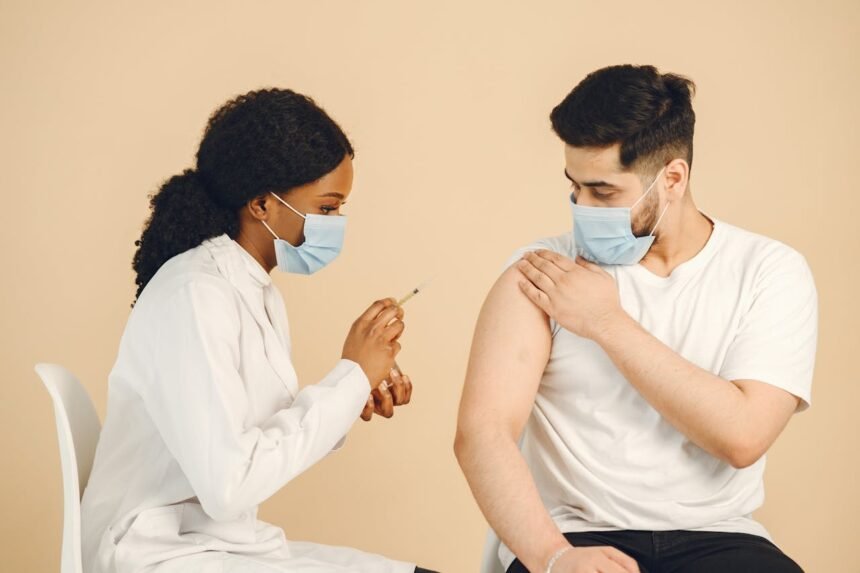
Planning a professional engagement in Southeast Asia requires meticulous logistical preparation. While flights and accommodation take precedence, your biological security is equally paramount. The vaccines needed for thailand from uk travellers form a critical shield against preventable tropical diseases.
Navigating the landscape of travel health can feel overwhelming for busy professionals. This guide provides an evidence-based roadmap to ensure your health remains robust during your trip. We will explore the essential immunisations required for a safe journey.
Assessing Your Core Immunity Status
Before visiting a specialist clinic, you must review your current medical history with your GP. Many adults in the UK have received standard immunisations during childhood, but immunity can wane over time. A quick review of your NHS app or physical records is the first step.
The primary foundation involves confirming your Diphtheria, Tetanus, and Polio (DTP) status. Most British citizens receive these routinely, yet a booster is often necessary every ten years. Ensuring these are up to date is non-negotiable for international travel.
Tetanus is particularly relevant if you plan on visiting rural areas or construction sites. While usually free on the NHS, obtaining a booster privately is an option for urgent departures. You might wonder about the tetanus shot cost without insurance or private coverage; typically, private clinics charge between £30 and £50 for this essential booster.
For comprehensive guidance on your base immunity, consult the NHS Fit for Travel website. This resource provides the most current epidemiological data for UK travellers. It serves as the baseline for all subsequent medical decisions.
Critical Travel-Specific Vaccinations
Hepatitis A Protection
Hepatitis A is a viral liver infection spread through contaminated food and water. It represents one of the most significant risks for travellers to Thailand. Even in luxury resorts, the risk of contamination remains plausible.
Vaccination is the most effective method of prevention for this debilitating virus. Most travellers tolerate the injection well, though some report minor reactions. Understanding hep a vaccine side effects in adults helps you plan your inoculation schedule without impacting work commitments.
Common side effects include mild soreness at the injection site or a low-grade fever. These symptoms typically resolve within 24 hours and should not deter you from vaccination. For detailed safety profiles, reference the Travel Health Pro database.
Typhoid Fever Safeguards
Typhoid fever is another bacterial infection transmitted via the faecal-oral route. It is prevalent in areas with poor sanitation or untreated water systems. Professionals dining outside major hotel chains should consider this a priority.
You have a choice between an oral capsule and an injectable vaccine. Travellers often compare the typhoid vaccine side effects oral vs injection to decide which suits their lifestyle. The injection may cause a sore arm, while the oral vaccine occasionally causes gastrointestinal discomfort.
Both options offer protection for roughly three years before a booster is required. The choice often depends on your preference and available time before departure. Consult the Gov.uk Green Book for clinical details on efficacy.
Regional and Risk-Based Considerations
Japanese Encephalitis
Japanese Encephalitis (JE) is a viral disease spread by mosquitoes, primarily in rural agricultural areas. If your itinerary involves long stays in the countryside or visits near rice paddies, the risk increases. Short trips to Bangkok rarely necessitate this specific inoculation.
The vaccine is administered in two doses, which can impact your pre-travel timeline. Furthermore, the japanese encephalitis vaccine cost can be significant, often exceeding £180 for the full course. Budgeting for this expense is vital if your risk assessment indicates a need.
Due to the severity of the disease, cost should not be the sole deciding factor. Protection is highly recommended for expatriates or those on extended assignments. The World Health Organization (WHO) offers global statistics on JE prevalence.
Rabies Awareness
Thailand has a considerable population of stray dogs and monkeys, particularly in tourist hotspots. Rabies is virtually 100% fatal once symptoms appear, making prevention crucial. Pre-exposure prophylaxis simplifies medical management if an animal bites you.
The course involves three injections, buying you time to seek help after an incident. Patients generally tolerate the shots well, but you should be aware of rabies vaccine for humans side effects. These can include headaches, nausea, or swelling at the injection site.
Even with the vaccine, you must seek immediate medical attention following any bite or scratch. The pre-exposure shots simply reduce the amount of treatment required urgently. Read more on rabies protocols via the NHS Rabies overview.
Broader South East Asia Context
Many professionals combine a trip to Thailand with visits to neighbouring nations. If you are extending your journey, you must verify the travel vaccines for vietnam. While similar to Thailand, Vietnam may present higher risks for malaria in certain remote provinces.
Similarly, if your business takes you westward, travel vaccinations for india differ slightly in scope. India often requires stricter adherence to typhoid and hepatitis protocols due to water quality issues. Always view your health preparation through the lens of your entire itinerary.
Comparatively, tropical diseases are not unique to Asia. Travellers comparing travel vaccines for costa rica will find overlaps in mosquito-borne risks like Dengue. However, specific regional strains dictate that you consult a specialist for each distinct trip.
General Health and Immunity Management
Influenza and Respiratory Health
Travelling through international airports exposes you to a variety of respiratory pathogens. Ensuring you are protected against the flu is a smart professional move. It prevents downtime and keeps your immune system ready for other challenges.
Recent formulations have been updated, so checking flu shot side effects 2024 is advisable. Most people experience only a slightly heavy arm or mild fatigue. These minor inconveniences are preferable to falling ill during a business conference.
Timing is also important when scheduling this alongside your travel jabs. You might ask, “how long after flu shot am i protected?” Generally, it takes about two weeks for antibodies to develop fully.
Yellow Fever Requirements
Thailand itself is not a Yellow Fever risk zone. However, if you are arriving from a country that is, entry requirements change strictly. You may be denied entry without a valid certificate.
This is rare for direct UK arrivals but vital for multi-stop global travellers. Be aware of yellow fever vaccine side effects if you are required to take it. Common reactions include muscle pain and low-grade fever.
Always carry your International Certificate of Vaccination if you have transited through Africa or South America. Check the National Travel Health Network and Centre (NaTHNaC) for specific entry rules.

Managing Logistics and Costs
Private vs Public Provision
While the NHS covers some travel vaccines, many specialized ones are private-only. You will likely need to budget for these essential health investments. Investigating travel clinic vaccinations cost early prevents last-minute financial surprises.
Prices vary between high-street chemists and dedicated travel clinics. It is worth comparing prices for expensive courses like Rabies or Japanese Encephalitis. Generally, expect to pay for convenience and last-minute appointments.
See the Which? Consumer Group guide for a breakdown of typical healthcare costs. This helps in submitting accurate expense reports to your employer.
Family and Dependent Considerations
If you are relocating with family, ensure your children’s records are also current. This includes checking mmr vaccine side effects in toddlers if they are due for boosters. Measles outbreaks can occur globally, so baseline immunity is vital for dependents.
Adults who missed childhood doses should also consider catching up. The MMR vaccine is safe and effective for adults without immunity. A healthy family unit ensures a less stressful professional assignment.
Malaria: Prevention Over Cure
Malaria is present in the forested borders of Thailand, though rare in cities. There is no vaccine available for travellers, only prophylaxis. You must decide between malaria pills vs vaccine realities; pills are the only option.
Consult a doctor to determine the best medication for your physiology. Some tablets must be taken daily, while others are weekly. Compliance is key to effectiveness.
View the malaria risk maps on Malaria Hotspots to see if your route is affected. Avoidance of mosquito bites remains the primary defence.
Vaccination Schedule and Cost Estimate
| Vaccine | Schedule | Estimated Cost (Private) | NHS Availability |
|---|---|---|---|
| Diphtheria/Tetanus/Polio | 1 dose (Booster) | £30 – £45 | Yes (usually) |
| Hepatitis A | 1 dose (Booster 6-12m later) | £50 – £65 | Yes (usually) |
| Typhoid | 1 dose (Injection or Oral) | £35 – £50 | Yes (usually) |
| Japanese Encephalitis | 2 doses (Day 0, Day 28) | £180 – £200 (Course) | No |
| Rabies | 3 doses (Day 0, 7, 21/28) | £150 – £200 (Course) | No |
| Hepatitis B | 3 doses (Accelerated avail.) | £40 – £50 per dose | No |
| Cholera | 2 doses (Oral) | £30 – £40 (Course) | Yes (usually) |
Note: Costs are estimates based on UK travel clinics and vary by region.
Frequently Asked Questions
1. How far in advance should I get my vaccines for Thailand?
You should visit a travel clinic at least 6 to 8 weeks before departure. Some vaccines, like Rabies and Japanese Encephalitis, require a course of injections over a month. This timeframe allows your immune system to build adequate protection.
2. Is Malaria common in Bangkok or Phuket?
Malaria risk is extremely low in major cities like Bangkok and main tourist islands like Phuket. The risk is primarily concentrated in border regions near Cambodia and Myanmar. However, mosquito bite prevention is still recommended to avoid Dengue fever.
3. Can I get these vaccines from my local pharmacy?
Many large chain pharmacies in the UK offer travel health services. They can administer vaccines like Typhoid and Hepatitis A and provide anti-malarial tablets. You will generally pay private rates for these services.
4. Do I need a Yellow Fever certificate for Thailand?
You only need a Yellow Fever certificate if you are arriving from a country with risk of Yellow Fever transmission. This typically applies to travellers coming from parts of Africa or South America. Direct flights from the UK do not require this certificate.
5. Are there vaccines for Dengue Fever?
A vaccine for Dengue exists (Qdenga), but it is relatively new on the travel market. It is usually reserved for those with a past infection or high-risk long-term travellers. Discuss this specific option with a specialist travel nurse.
The Bottom Line
Safeguarding your health is an integral part of professional reliability. By securing the vaccines needed for thailand from uk providers, you mitigate significant risks. This preparation allows you to focus entirely on your business objectives.
The costs involved are a fraction of the price of emergency medical evacuation. Treat your immune system as a vital business asset. Book your consultation today and travel with confidence.
For final verification of outbreak news, always check the Foreign, Commonwealth & Development Office (FCDO) advice. Safe travels and good health.