Iron deficiency is one of the most common nutritional deficiencies globally, yet it often goes undiagnosed for years. While it is normal to feel tired after a long week, persistent exhaustion that does not resolve with rest could be a sign that your body is struggling to produce enough healthy red blood cells.
Iron deficiency anaemia occurs when your body lacks sufficient iron to produce haemoglobin—the protein in red blood cells that enables them to carry oxygen around the body. Without enough haemoglobin, your tissues and muscles do not get enough oxygen to work effectively. This leads to a condition known as anaemia.
According to the World Health Organization (WHO), anaemia affects roughly one-third of the world’s population. While it can affect anyone, women of childbearing age, vegetarians, and frequent blood donors are at the highest risk.
Identifying the condition early is crucial to preventing long-term complications. Here is an exhaustive look at the signs of iron deficiency anaemia, the causes, and how to manage it effectively.
Common Signs and Symptoms
The symptoms of iron deficiency can be subtle at first. In fact, many people do not realise they are anaemic until they undergo a routine blood test. As the body’s iron stores become more depleted, the symptoms typically intensify.
1. Unusual and Extreme Fatigue
Feeling very tired is the most common symptom of iron deficiency anaemia. This fatigue happens because your body lacks the iron needed to make haemoglobin.
Without enough haemoglobin, less oxygen reaches your tissues and muscles, depriving them of energy. Your heart also has to work harder to move more oxygen-rich blood around your body, which can make you feel tired.
Since tiredness is often considered a normal part of modern life, it is difficult to diagnose iron deficiency based on this symptom alone. However, fatigue related to iron deficiency usually comes with weakness, irritability, or difficulty concentrating.
2. Paleness
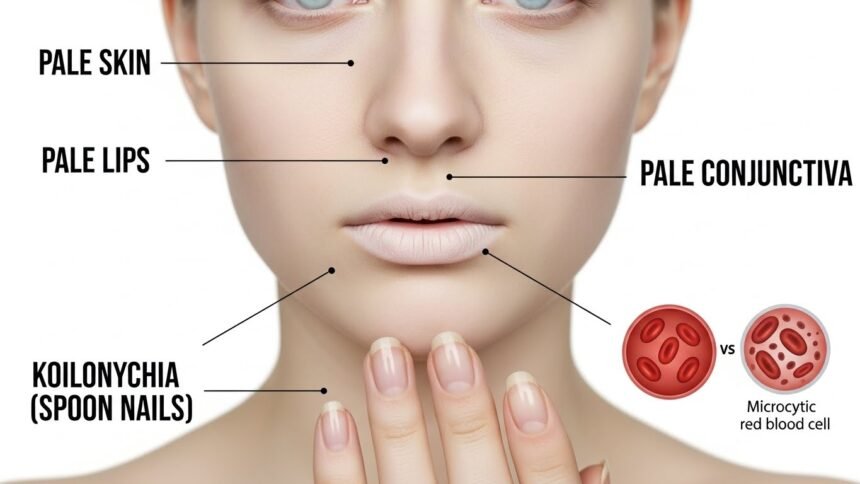
Pale skin and pale colouring of the inside of the lower eyelids are other common signs of iron deficiency. The haemoglobin in red blood cells gives blood its red colour, so low levels make the blood less red. That is why skin can lose its healthy or rosy colour in people with iron deficiency.
This paleness in people with iron deficiency can appear all over the body, or it can be limited to one area, such as the face, gums, inside of the lips, or lower eyelids. This is often one of the first things a doctor will look for. A study from the National Institutes of Health (NIH) suggests that paleness is more commonly seen in moderate or severe cases of anaemia.
3. Shortness of Breath
If you find yourself out of breath doing daily tasks that used to be easy, such as walking, climbing stairs, or working out, iron deficiency could be to blame.
When haemoglobin levels are low during iron deficiency, oxygen levels are also low. This means your muscles do not receive enough oxygen to do normal activities, such as walking. As a result, your breathing rate increases as your body tries to get more oxygen. This is why shortness of breath is a common symptom.
4. Headaches and Dizziness
Iron deficiency may cause headaches, particularly in women. While the link between iron deficiency and headaches is still being researched, it is thought that low oxygen levels in the brain may cause the blood vessels to swell, creating pressure and headaches.
Alongside headaches, you might experience lightheadedness or dizziness. This stems from the lack of oxygen reaching the brain and low blood pressure, which can result from poor oxygenation.
5. Heart Palpitations
Noticeable heartbeats, also known as heart palpitations, can be another symptom of iron deficiency anaemia. The association between iron deficiency, anaemia, and heart problems is still being studied, but it may relate to oxygen supply.
Because of low haemoglobin levels, the heart has to work extra hard to carry oxygen. This can lead to an irregular heartbeat or the feeling that your heart is beating abnormally fast. In extreme cases, this can lead to an enlarged heart or heart failure, as noted by the British Heart Foundation.

6. Dry and Damaged Hair and Skin
Dry and damaged skin and hair can be signs of iron deficiency. This occurs because when your body is iron deficient, it prioritises limited oxygen distribution to more vital functions, such as your organs and other bodily tissues.
When skin and hair are deprived of oxygen, they can become dry and weak. More severe cases of iron deficiency are linked to hair loss. It is completely normal for some hair to fall out during everyday washing and brushing, but if you are losing clumps or much more than normal, it may be related to your iron levels.
7. Swelling and Soreness of the Tongue and Mouth
Sometimes just looking inside or around your mouth can give you an indication of whether you are suffering from iron deficiency anaemia. Signs include a swollen, inflamed, pale, or strangely smooth tongue.
Iron deficiency may also cause other symptoms around your mouth, such as dry mouth, a burning feeling in the mouth, sore red cracks at the corners of your mouth, or mouth ulcers.
8. Restless Legs
Iron deficiency has been strongly linked to restless legs syndrome. This is a strong urge to move your legs while they are at rest. It can also cause unpleasant and strange crawling or itchy sensations in your feet and legs.
It is usually worse at night, meaning that you may struggle to sleep. According to the Sleep Foundation, approximately 25% of people with iron deficiency anaemia experience restless legs syndrome.
9. Brittle or Spoon-Shaped Nails
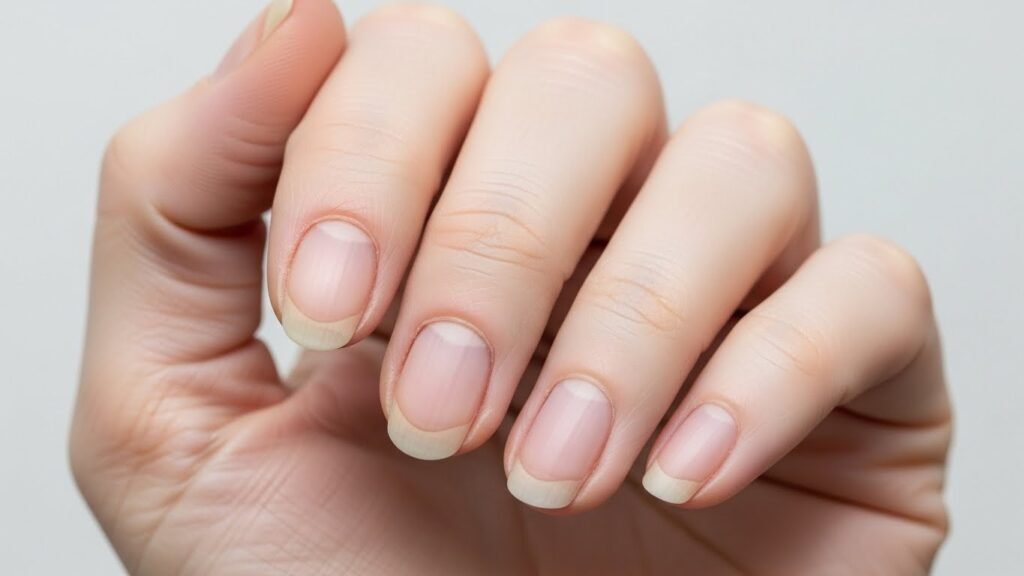
A much less common symptom of iron deficiency is brittle or spoon-shaped nails, a condition called koilonychia. This often starts with brittle nails that chip and crack easily.
In later stages of iron deficiency, spoon-shaped nails can occur where the middle of the nail dips and the edges raise to give a rounded appearance like a spoon. This is usually a rare side effect and is only seen in severe cases of iron deficiency anaemia.
10. Strange Cravings (Pica)
Pica is a condition characterised by cravings for non-food items. It is often a symptom of severe iron deficiency. People with pica may crave items such as ice, clay, dirt, chalk, or paper.
Causes and Risk Factors
Iron deficiency anaemia occurs when your body uses the iron reserves faster than they can be replenished. This can happen for several reasons:
- Blood Loss: Blood contains iron within red blood cells. If you lose blood, you lose some iron. Women with heavy periods are at risk of iron deficiency anaemia because they lose blood during menstruation. Slow, chronic blood loss within the body—such as from a peptic ulcer, a hiatal hernia, or a colon polyp—can also cause iron deficiency.
- A Lack of Iron in Your Diet: Your body regularly gets iron from the foods you eat. If you consume too little iron, over time your body can become iron deficient. Examples of iron-rich foods include meat, eggs, leafy green vegetables, and iron-fortified foods.
- Inability to Absorb Iron: Iron from food is absorbed into your bloodstream in your small intestine. Intestinal disorders, such as coeliac disease, which affects your intestine’s ability to absorb nutrients from digested food, can lead to iron deficiency anaemia. This is a significant concern highlighted by Coeliac UK.
- Pregnancy: Without iron supplementation, iron deficiency anaemia occurs in many pregnant women because their iron stores need to serve their own increased blood volume as well as be a source of haemoglobin for the growing foetus.
Diagnosis and Testing
If you suspect you have iron deficiency, it is vital to see a General Practitioner (GP). Self-diagnosing and treating with supplements can be dangerous, as excess iron can damage your liver.
Your GP will likely order a Full Blood Count (FBC). This test checks the amount of haemoglobin in your blood. They may also check your ferritin levels. Ferritin is a protein that helps store iron in your body. Low levels of ferritin usually indicate a low level of stored iron.
For a deeper understanding of what these tests mean, you can read more on Healthline’s guide to ferritin levels.
Treatment and Management
Treatment for iron deficiency anaemia depends on the underlying cause and severity.
Iron Supplements
The most common treatment is oral iron supplements, such as ferrous sulphate. It can take several months to replenish your iron reserves. Doctors often recommend taking iron tablets on an empty stomach to improve absorption, though this can sometimes cause stomach upset.
Treating Underlying Causes
If your iron deficiency is not caused by a lack of iron in your diet, your doctor will need to treat the underlying cause. This might involve oral contraceptives to lighten heavy menstrual flow, antibiotics to treat peptic ulcers, or surgery to remove a bleeding polyp.
Intravenous (IV) Iron
In severe cases, or if you cannot tolerate oral iron, doctors may prescribe intravenous iron infusions. This delivers iron directly into the bloodstream, bypassing the digestive system for faster absorption, as noted by the American Society of Hematology.
Practical Tips: Dietary Strategies
You can help prevent and treat iron deficiency by including iron-rich foods in your diet. There are two types of iron: heme (found in animal products) and non-heme (found in plants).
| Food Source | Type of Iron | Examples |
|---|---|---|
| Meat & Poultry | Heme (High Absorption) | Beef, lamb, liver, chicken, turkey |
| Seafood | Heme (High Absorption) | Mussels, clams, sardines, tuna |
| Vegetables | Non-heme (Lower Absorption) | Spinach, kale, broccoli, peas |
| Legumes | Non-heme (Lower Absorption) | Lentils, chickpeas, kidney beans, tofu |
| Nuts & Seeds | Non-heme (Lower Absorption) | Pumpkin seeds, cashews, pistachios |
Enhancing Absorption
To improve the absorption of non-heme iron from plant sources, consume it with foods rich in Vitamin C. Vitamin C binds to non-heme iron and stores it in a form that is more easily absorbed by your body. Good sources include oranges, kiwis, strawberries, and peppers.
The British Dietetic Association (BDA) recommends drinking a glass of orange juice with your meal to maximise absorption.
Foods to Avoid
Conversely, some foods can hinder iron absorption. Avoid consuming the following in large quantities with iron-rich meals:
- Tea and coffee: These contain tannins which inhibit absorption.
- Calcium: Found in dairy products and supplements.
- Phytates: Found in whole grains and legumes (though cooking can reduce this effect).
The Bottom Line
Iron deficiency anaemia is a common condition that can significantly impact your quality of life. From extreme fatigue and shortness of breath to restless legs and brittle nails, the symptoms are your body’s way of signalling a need for more oxygen.
While dietary changes can often restore iron levels, it is essential to consult a healthcare professional for a proper diagnosis. Do not ignore the signs—early detection is key to feeling like yourself again.
If you are concerned about your symptoms, book an appointment with your GP or visit the NHS website for more guidance on the next steps.