
The human digestive system harbours an intricate ecosystem that plays a fundamental role in your overall well-being. Your gut microbiome, comprising trillions of microorganisms living within your intestinal tract, influences everything from immune function to mental health. Recent scientific advances have revealed that these microscopic inhabitants are far more than passive residents—they actively participate in maintaining your health and can significantly impact disease development.
What Exactly Is Your Gut Microbiome?
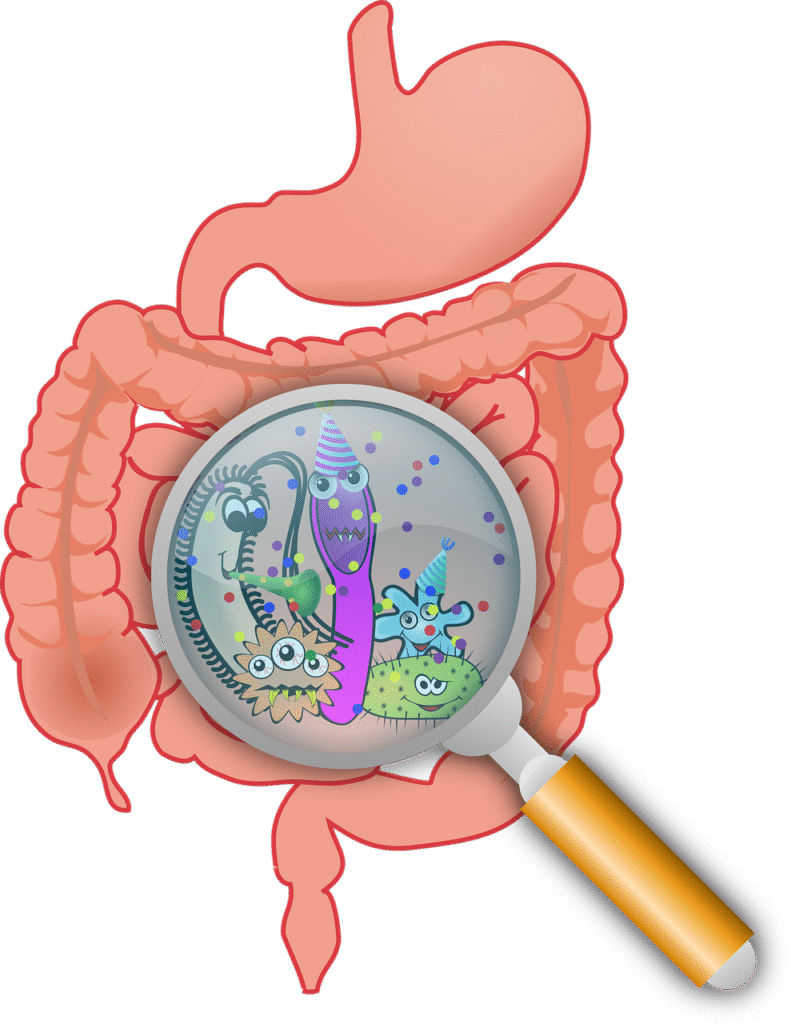
Your gut microbiome consists of bacteria, viruses, fungi, and other microorganisms that inhabit your digestive tract, primarily in the large intestine. Research from Harvard Medical School indicates that bacterial cells in your gut outnumber human cells by approximately 10 to 1, with over 1,000 different bacterial species identified. This complex community weighs roughly 1-2 kilograms and contains more genetic material than your human genome.
The composition of your microbiome is as unique as your fingerprint, influenced by factors including birth method, early feeding patterns, antibiotic use, diet, lifestyle, and environment. According to the NHS, a healthy microbiome demonstrates remarkable diversity, with different bacterial strains performing specialised functions that support your body’s various systems.
The Microbiome’s Role in Digestive Health
Your gut bacteria perform essential digestive functions that your body cannot accomplish independently. They break down complex carbohydrates, synthesise vitamins, and ferment dietary fibre into beneficial compounds called short-chain fatty acids. These fatty acids nourish the cells lining your intestinal wall and help maintain the gut barrier function.
When your microbiome becomes imbalanced—a condition termed dysbiosis—digestive problems can arise. Research published by Mayo Clinic demonstrates that dysbiosis contributes to irritable bowel syndrome, inflammatory bowel disease, and increased intestinal permeability, commonly known as “leaky gut syndrome.”
The gut barrier serves as a crucial defence mechanism, preventing harmful substances from entering your bloodstream whilst allowing nutrients to pass through. A healthy microbiome supports this barrier function, whilst an imbalanced one can compromise it, potentially leading to systemic inflammation and various health complications.
Impact on Immune System Function
Approximately 70% of your immune system resides in your gut, making the microbiome a critical player in immune function. Beneficial bacteria train your immune cells to distinguish between harmful pathogens and harmless substances, helping prevent both infections and autoimmune responses.
Studies referenced by the National Institutes of Health show that a diverse microbiome enhances immune system resilience. Certain bacterial strains, particularly Bifidobacteria and Lactobacilli, produce compounds that strengthen immune responses and reduce inflammation throughout the body.
Conversely, an imbalanced microbiome can contribute to increased susceptibility to infections, allergies, and autoimmune conditions. The relationship between gut health and immune function extends beyond the digestive system, influencing respiratory health, skin conditions, and overall disease resistance.
The Gut-Brain Connection
Perhaps one of the most fascinating aspects of microbiome research involves its connection to mental health and cognitive function. Your gut and brain communicate through multiple pathways, including the vagus nerve, hormones, and immune signalling molecules.
Gut bacteria produce neurotransmitters such as serotonin, dopamine, and gamma-aminobutyric acid (GABA), which directly influence mood, anxiety levels, and sleep patterns. Research highlighted by Harvard Health Publishing suggests that approximately 90% of serotonin—often called the “happiness hormone”—is produced in the gut.
This gut-brain axis explains why digestive problems often coincide with mood disorders and why stress can trigger gastrointestinal symptoms. Maintaining a healthy microbiome may therefore support both digestive wellness and mental health stability.
Microbiome and Metabolic Health
Your gut bacteria play a significant role in metabolism and weight regulation. Different bacterial strains influence how your body processes nutrients, stores fat, and regulates blood sugar levels. Research shows that people with obesity often have less diverse microbiomes compared to those maintaining healthy weights.
Beneficial bacteria help regulate appetite hormones and improve insulin sensitivity. They also influence inflammation markers associated with metabolic syndrome, type 2 diabetes, and cardiovascular disease. The Mayo Clinic notes that certain bacterial strains can enhance fat burning whilst others may promote fat storage.
Factors That Influence Microbiome Health
Several lifestyle factors significantly impact microbiome composition and diversity:
Dietary Choices: A varied diet rich in plant foods, whole grains, and fermented products promotes beneficial bacteria growth. Processed foods, excessive sugar, and artificial sweeteners can negatively affect microbiome diversity.
Antibiotic Use: Whilst sometimes necessary, antibiotics can disrupt the microbiome balance by eliminating both harmful and beneficial bacteria. The NHS recommends using antibiotics only when medically necessary and considering probiotic supplements during treatment.
Stress Management: Chronic stress alters gut bacteria composition and can increase intestinal permeability. Regular stress reduction practices support microbiome health.
Sleep Quality: Poor sleep patterns can negatively impact gut bacteria diversity and overall digestive health.
Physical Activity: Regular exercise promotes beneficial bacterial growth and enhances microbiome diversity.
Supporting Your Microbiome Through Nutrition
Dietary choices represent the most powerful tool for influencing microbiome health. Prebiotic foods—those containing fibres that feed beneficial bacteria—include garlic, onions, asparagus, bananas, and whole grains. These foods help beneficial bacteria flourish whilst creating an environment less favourable to harmful microorganisms.
Fermented foods naturally contain probiotics that can enhance microbiome diversity. Options include yoghurt, kefir, sauerkraut, kimchi, and kombucha. However, quality varies significantly among products, so choose varieties with live, active cultures and minimal added sugars.
Polyphenol-rich foods such as berries, green tea, dark chocolate, and olive oil provide compounds that beneficial bacteria can metabolise into health-promoting substances. These foods also possess anti-inflammatory properties that support overall gut health.
Warning Signs of Microbiome Imbalance
Several symptoms may indicate microbiome disruption:
- Frequent digestive complaints including bloating, gas, or irregular bowel movements
- Recurrent infections or slow healing
- Mood changes, anxiety, or depression
- Skin problems such as eczema or acne
- Food intolerances that develop suddenly
- Chronic fatigue or low energy levels
- Difficulty maintaining healthy weight
If you experience persistent symptoms, consult with a healthcare professional who can assess your situation and recommend appropriate interventions.
Looking Forward: Personalised Microbiome Medicine
The field of microbiome research continues advancing rapidly, with personalised medicine approaches showing promise. Future treatments may include targeted probiotic therapies, personalised dietary recommendations based on individual microbiome profiles, and innovative treatments for various health conditions.
Current research explores the microbiome’s role in cancer treatment, autoimmune disease management, and mental health interventions. As our understanding deepens, the gut microbiome may become central to preventive medicine strategies and personalised health optimisation.
Conclusion
Your gut microbiome represents a powerful yet often overlooked aspect of health maintenance. By understanding its functions and implementing supportive lifestyle practices, you can harness this internal ecosystem to promote better digestion, stronger immunity, improved mood, and enhanced overall wellbeing.
Simple daily choices—eating diverse plant foods, managing stress, getting adequate sleep, and avoiding unnecessary antibiotics—can significantly impact your microbiome health. As research continues revealing the profound connections between gut health and systemic wellness, nurturing your microbiome becomes an investment in your long-term health and vitality.
Remember that microbiome health is a journey rather than a destination. Small, consistent changes often yield the most sustainable improvements, supporting not just digestive comfort but your entire body’s optimal function.