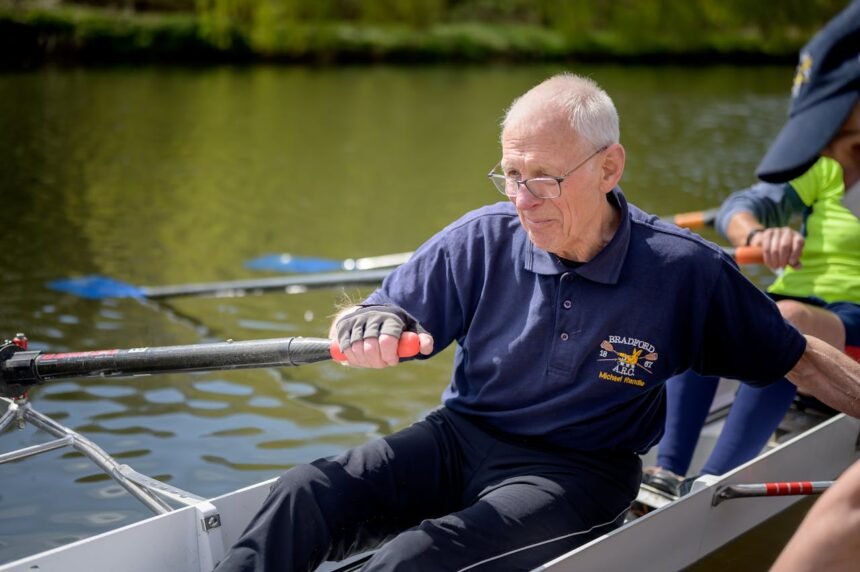
Are you searching for a fitness routine that offers a full-body workout, boosts cardiovascular health, and is kind to your joints? Look no further than rowboat fitness. Often overlooked in favor of treadmills or ellipticals, rowing—whether on an indoor machine or a traditional rowboat—is an incredibly effective and enjoyable way to build strength, improve endurance, and enhance overall well-being.
This comprehensive guide is designed specifically for beginners, demystifying rowboat fitness and providing you with all the essential information to confidently embark on your rowing journey. We’ll cover everything from the profound benefits of rowing to mastering proper technique, choosing your equipment, and even crafting your first workout plan. Get ready to dip your oar into a world of powerful, low-impact exercise that can transform your body and mind.
The Unparalleled Benefits of Rowboat Fitness
Rowing is frequently lauded by fitness professionals as one of the most complete forms of exercise available. Its unique motion engages nearly every major muscle group, making it incredibly efficient and effective.
Full-Body Engagement
Unlike many exercises that target specific areas, rowboat fitness delivers a true full-body workout. Each stroke engages approximately 86% of your muscles. You’ll work your legs (quads, hamstrings, glutes) pushing off, your core (abs, obliques) for stability and power transfer, and your upper body (back, shoulders, arms) pulling the handle towards you. This simultaneous muscle activation makes rowing highly efficient for building overall strength and muscular endurance.
Superior Cardiovascular Health
As a rhythmic and sustained activity, rowing is an exceptional form of aerobic exercise. Regular engagement in rowboat fitness significantly strengthens your heart and lungs, improving your body’s ability to utilize oxygen. This leads to enhanced cardiovascular health benefits, reduced risk of heart disease, improved circulation, and increased stamina for daily activities.
Low-Impact Exercise
For individuals concerned about joint health or recovering from certain injuries, rowing is a fantastic option. The fluid, continuous motion of rowing places minimal stress on your joints, particularly your knees and ankles, making it a highly effective low-impact exercise. This makes it suitable for people of all ages and fitness levels, including those who may find high-impact activities uncomfortable or risky.
Boosts Mental Well-being
Beyond the physical advantages, the rhythmic nature of rowing can have a profound impact on your mental state. The repetitive motion, combined with the focus required for proper technique, can be meditative, helping to reduce stress and anxiety. Like other forms of physical activity, rowboat fitness stimulates the release of endorphins, contributing to improved mood and overall mental health and exercise. If you’re rowing outdoors, the connection with nature further amplifies these positive psychological effects.
Choosing Your Rowing Vessel: Indoor vs. Outdoor
Before diving into your workout, you need to decide where you’ll be rowing. Both indoor rowing machines (ergometers) and traditional outdoor rowboats offer excellent fitness benefits, but they cater to different preferences and environments.
Indoor Rowing Machines (Ergometers)
Indoor rowing machines, often called ergs, are the most common entry point for rowboat fitness. They simulate the rowing motion and provide a controlled environment for your workout.
- Pros: Accessible year-round, regardless of weather; provide immediate feedback on metrics like stroke rate, distance, and power; excellent for learning proper technique; no need for water access.
- Cons: Can be expensive; requires dedicated space; some may find the experience less engaging than outdoor rowing.
- Types: Air resistance, magnetic resistance, water resistance, and hydraulic resistance. Each offers a slightly different feel and noise level. For beginners, air and magnetic resistance models are very popular. Researching your options is key to choosing an indoor rowing machine that suits your needs.
Outdoor Rowboats
For those who love being on the water, an outdoor rowboat offers a unique and immersive experience. This could range from recreational rowing shells to traditional skiffs or even larger tenders.
- Pros: Connects you with nature; provides a serene and engaging environment; offers a sense of adventure and skill development; natural resistance from water.
- Cons: Weather-dependent; requires access to suitable waterways (lakes, rivers, calm coastal areas); involves boat maintenance and storage; often requires more advanced safety knowledge.
- Considerations: When choosing an outdoor rowboat, factors like stability, speed, and ease of transport or storage are crucial. Beginners might start with wider, more stable boats before progressing to narrower shells.

Mastering the Fundamentals: Proper Rowing Technique
Proper technique is paramount for effective rowboat fitness and injury prevention. While it may seem complex at first, the rowing stroke is a continuous, four-phase movement. Focus on fluidity and power, prioritizing form over speed.
The rowing stroke is comprised of four key phases:
- The Catch: This is the starting position. Your knees are bent, shins vertical, arms extended straight out in front, and your back is straight with a slight forward lean from the hips. The handle is held firmly.
- The Drive: This is the power phase. Begin by driving through your heels, extending your legs powerfully. As your legs extend, hinge slightly backward from your hips, engaging your core and back. Finally, pull the handle towards your lower rib cage, keeping your elbows close to your body.
- The Finish: At the end of the drive, your legs are fully extended, you’re leaning back slightly (around 15-20 degrees), and the handle is at your lower ribs. Your core should be engaged, and your shoulders relaxed.
- The Recovery: This is the reverse of the drive. Extend your arms away from your body first. Once your hands clear your knees, begin to hinge forward from your hips, allowing your knees to bend as you slide back towards the catch position. Maintain a controlled movement, preparing for the next stroke.
Remember the sequence: Legs, Core, Arms on the drive; Arms, Core, Legs on the recovery. Many experienced rowers use the mantra “legs, body, arms; arms, body, legs.” Understanding the rowing stroke phases is crucial for maximizing your workout and preventing strain.
Your Beginner Rowboat Fitness Program
Starting any new fitness routine requires a structured approach. This beginner program emphasizes gradual progression, technique, and consistency.
Warm-up & Cool-down
Never skip these crucial steps! A 5-10 minute warm-up (light rowing, dynamic stretches) prepares your muscles and cardiovascular system. A 5-10 minute cool-down (light rowing, static stretches) aids recovery and flexibility. The importance of warm-up and cool-down cannot be overstated for injury prevention and performance.
Sample Weekly Workout Plan
This plan is designed for three rowing sessions per week, with optional cross-training on other days. Listen to your body and adjust as needed.
| Day | Activity | Duration/Description | Focus |
|---|---|---|---|
| Monday | Rowing Session 1 | 5 min warm-up (light rowing) 10 min steady pace rowing 5 min moderate pace rowing 10 min steady pace rowing 5 min cool-down (light rowing & stretching) | Endurance, Technique |
| Tuesday | Rest or Active Recovery | Light walk, gentle stretching, or yoga (30-45 min) | Recovery, Flexibility |
| Wednesday | Rowing Session 2 | 5 min warm-up 3 x 5 min rowing at moderate pace with 2 min rest between 5 min cool-down | Stamina, Short Bursts |
| Thursday | Rest or Cross-Training | Bodyweight exercises, cycling, or swimming (30-45 min) | Strength, Variety |
| Friday | Rowing Session 3 | 5 min warm-up 15-20 min continuous steady pace rowing, focusing on smooth strokes 5 min cool-down | Consistency, Mind-Muscle Connection |
| Saturday | Rest or Outdoor Activity | Hiking, gardening, or a leisurely outdoor row if you have access (optional) | Enjoyment, Active Lifestyle |
| Sunday | Rest | Complete rest for muscle repair and mental rejuvenation | Rest |
Progressive Overload & Consistency
To continue seeing results in rowboat fitness, you must gradually increase the challenge over time. This principle of progressive overload in strength training can involve increasing your workout duration, intensity (strokes per minute or watts/power output), or frequency. Consistency is key; aim for regular sessions rather than sporadic, intense workouts.
Essential Gear and Safety Tips
While rowboat fitness is generally safe, having the right gear and understanding safety protocols is important, especially for outdoor rowing.
Gear for Indoor Rowing
- Comfortable Athletic Wear: Breathable fabrics that allow for a full range of motion.
- Water Bottle: Hydration is crucial.
- Towel: To wipe away sweat.
- Optional: A mat for underneath your erg to protect your floor and reduce noise.
Gear for Outdoor Rowing
- Personal Flotation Device (PFD): A life jacket is non-negotiable for safety on the water.
- Sun Protection: Hat, sunglasses, sunscreen.
- Appropriate Clothing: Layers are best, even on warm days, as conditions can change. Avoid cotton as it stays wet and can chill you. Wicking fabrics are preferred.
- Hydration and Snacks: Especially for longer outings.
- Communication Device: A waterproof bag for your phone or a marine radio.
- Navigation: Map, compass, or GPS, especially in unfamiliar waters.
- Whistle/Horn: For signaling.
Safety First
- Hydration: Drink plenty of water before, during, and after your workout.
- Listen to Your Body: Don’t push through sharp pain. Rest if needed.
- Proper Form: Reinforce good technique to prevent injuries. Watch videos, use mirrors, or even record yourself.
- Outdoor Safety: Always check weather forecasts and water conditions before heading out. Inform someone of your float plan (where you’re going and when you expect to return). Be aware of maritime rules and other water users. The U.S. Coast Guard provides excellent safety guidelines for outdoor water activities.
- Maintenance: Regularly inspect your equipment, whether it’s an indoor erg or an outdoor boat, for wear and tear.
Frequently Asked Questions (FAQ)
Q1: Is rowboat fitness good for weight loss?
A1: Yes! Rowboat fitness is an excellent exercise for weight loss. It burns a significant amount of calories due to its full-body engagement and cardiovascular nature. Combined with a balanced diet, consistent rowing can help you create a calorie deficit necessary for losing weight.
Q2: How often should a beginner row?
A2: For beginners, starting with 2-3 rowing sessions per week on non-consecutive days is ideal. This allows your body to adapt and recover. As your fitness improves, you can gradually increase the frequency, duration, or intensity of your workouts.
Q3: Can I row if I have back pain?
A3: Rowing can be beneficial for strengthening the back and core muscles, which can alleviate some types of back pain. However, improper technique can exacerbate existing issues. If you have chronic back pain, it’s crucial to consult with a doctor or physical therapist before starting any new exercise program, and to focus meticulously on correct form.
Q4: What’s the difference between a rower and an ergometer?
A4: “Rower” is a general term for a person who rows a boat or a machine used for rowing. “Ergometer” (often shortened to “erg”) specifically refers to an indoor rowing machine designed to measure work done, providing precise metrics like distance, speed, and power output. Essentially, all ergometers are rowing machines, but not all casual rowing machines might be considered precision ergometers.
Q5: Do I need special shoes for rowboat fitness?
A5: For indoor rowing, athletic shoes with a relatively flat, stable sole are recommended. Running shoes with excessive cushioning or a high heel drop can sometimes make it harder to drive powerfully through your heels. For outdoor rowing, grip and protection from water are more important; some prefer water shoes or go barefoot in certain boats.
Conclusion
Rowboat fitness offers an incredible path to enhanced physical and mental health. From its powerful full-body workout and significant cardiovascular benefits to its low-impact nature and stress-reducing qualities, rowing is a versatile and effective exercise for anyone looking to improve their benefits of regular physical activity.
As a beginner, you now have the ultimate guide to get started. Remember to focus on proper technique, listen to your body, and maintain consistency. Whether you choose the convenience of an indoor erg or the serene adventure of an outdoor rowboat, embrace the journey. With dedication and the right approach, you’ll quickly discover why rowboat fitness is a revered form of exercise, propelling you towards a stronger, healthier, and more vibrant life. So, take the plunge and start your rowing adventure today!