It is 3 p.m. You have been working hard since the morning, and suddenly, your energy levels plummet. Your stomach begins to rumble, and your focus drifts away from the task at hand. We have all been there. In these moments, the temptation to visit the vending machine or raid the biscuit tin can be overwhelming.
However, reaching for processed snacks loaded with refined sugar often leads to a quick spike in energy followed by an even harder crash. If you are following a Paleolithic (Paleo) diet, or simply trying to eat cleaner, finding convenient options that align with your goals can feel like a challenge.
The good news is that snacking does not have to be complicated or unhealthy. By focusing on whole, unprocessed foods, you can curb your hunger and maintain steady energy levels throughout the day. This guide explores nutritious, easy-to-prepare options that fit perfectly into a modern lifestyle while adhering to ancestral dietary principles.
What is Paleo Snacking?
Before diving into specific recipes, it is helpful to understand the core philosophy behind the Paleo framework. The diet emulates what our hunter-gatherer ancestors likely ate, focusing on whole foods that were available before the advent of modern agriculture.
Key features of Paleo-friendly snacks include:
- High Protein: Essential for muscle repair and satiety.
- Healthy Fats: Sources include nuts, seeds, and avocados.
- Low Glycaemic Impact: Foods that do not spike blood sugar rapidly.
- Absence of Grains and Dairy: No wheat, oats, rice, milk, or cheese.
- No Processed Ingredients: Avoiding artificial additives and refined sugars.
Snacking on this plan means prioritising nutrient density. According to the NHS guide on eating well, choosing foods that are high in nutritional value rather than empty calories is vital for long-term health. By selecting the right combinations, you can effectively bridge the gap between meals without compromising your dietary standards.
High-Protein Savoury Options
Protein is the most satiating macronutrient, making it your best ally against mid-afternoon hunger pangs. These savoury options are perfect for keeping you full for longer.
1. Hard-Boiled Eggs
Hard-boiled eggs are arguably the ultimate portable snack. They are naturally packaged, easy to prepare in batches, and incredibly nutrient-dense. A single large egg provides approximately 6 grams of high-quality protein and contains all nine essential amino acids.
Furthermore, eggs are rich in choline and B vitamins, which support brain function. For a detailed breakdown of their benefits, you can read more at BBC Good Food’s nutritional analysis of eggs. Keep a few in your fridge for a grab-and-go option that never fails to satisfy.
2. Beef Jerky or Biltong
Dried meat is a classic ancestral staple. Beef jerky or South African biltong provides a massive protein punch in a small, portable package. It requires no refrigeration, making it ideal for keeping in your desk drawer or gym bag.
Important Tip: Many commercial brands load their jerky with soy sauce (which contains wheat/gluten) and excessive sugar. Always check the label to ensure the product is grass-fed and free from non-Paleo additives. High-protein snacks like these are proven to improve appetite control, as noted in various studies found on the National Library of Medicine.
3. Canned Sardines or Mackerel
While perhaps not the most social office snack due to the aroma, canned oily fish is a nutritional powerhouse. Sardines are loaded with Omega-3 fatty acids, calcium (if you eat the bones), and protein.
Omega-3s are crucial for heart health and reducing inflammation. Serving these on cucumber slices or wrapping them in a lettuce leaf can add a refreshing crunch. The British Heart Foundation highlights the importance of incorporating oily fish into a balanced diet for cardiovascular protection.
Plant-Based and Fibre-Rich Bites
You do not have to rely solely on meat to stay satisfied. Plant-based snacks rich in fibre and healthy fats are excellent for digestive health and sustained energy.
4. Apple Slices with Almond Butter
The combination of fruit and nut butter is a timeless classic. Apples provide hydration and fibre, while almond butter adds healthy monounsaturated fats and protein. This pairing slows down the absorption of fruit sugar, preventing insulin spikes.
Ensure you choose an almond butter that contains only almonds (and perhaps a pinch of salt). Avoid brands with added palm oil or sugar. Increasing your fibre intake is essential, as the British Nutrition Foundation states that most adults in the UK do not consume enough of this vital nutrient.
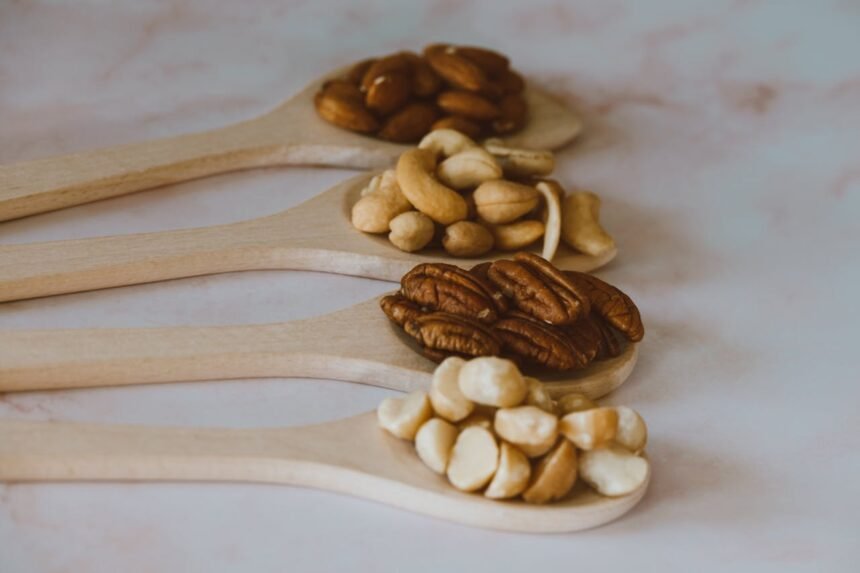
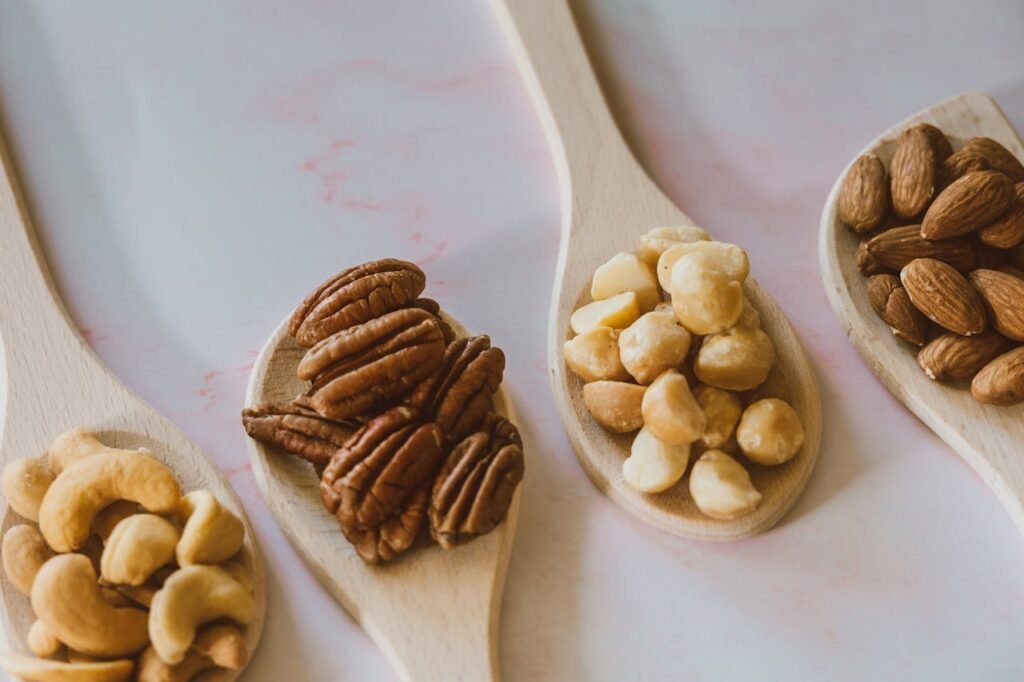
5. Mixed Nuts and Seeds
A handful of mixed nuts—such as walnuts, macadamias, almonds, and pumpkin seeds—provides a potent dose of energy. They are rich in magnesium, vitamin E, and healthy fats that support brain health.
However, portion control is key. Nuts are calorically dense, and it is easy to overconsume them. A small handful (about 30g) is usually sufficient. To understand more about the specific benefits of different nuts, check out this article on Healthline regarding the Paleo diet and food lists.
6. Guacamole with Veggie Sticks
Avocados are a staple of the Paleo diet, prized for their high potassium and monounsaturated fat content. Mash half an avocado with lime juice, coriander, and a pinch of chilli for a quick guacamole.
Pair this with carrots, celery, or sliced peppers instead of corn chips. The fats in the avocado signal to your brain that you are full. The benefits of avocado fats for heart health are well-documented by sources like Medical News Today.
7. Kale Chips
If you crave the crunch of potato crisps but want to avoid the refined oils and carbs, kale chips are a fantastic alternative. Simply toss kale leaves in olive oil and sea salt, then bake at a low temperature until crisp.
Kale is one of the most nutrient-dense foods on the planet, packed with Vitamins A, K, and C. It offers a savoury satisfaction without the guilt of processed snacks.
8. Berries and Coconut Milk
For those with a sweet tooth, a small bowl of mixed berries (strawberries, blueberries, raspberries) topped with a splash of full-fat canned coconut milk creates a luxurious, dessert-like snack.
Berries are lower in sugar than most fruits and are packed with antioxidants. According to Diabetes UK, choosing lower glycaemic fruits helps manage blood glucose levels effectively.
9. Dark Chocolate (70% or higher)
Yes, chocolate can be Paleo-friendly. High-quality dark chocolate with a cocoa content of 70% or higher is relatively low in sugar and rich in minerals like iron and magnesium.
Ideally, look for 85% cocoa for maximum health benefits and minimal sugar. It satisfies chocolate cravings instantly, so you often only need one or two squares. WebMD notes that the antioxidants in dark chocolate can help lower blood pressure.
Quick Comparison: Paleo vs. Conventional Snacks
To help you visualise the difference, here is a comparison of typical snack choices versus their Paleo counterparts.
| Feature | Conventional Snack (e.g., Crisps/Biscuits) | Paleo Snack (e.g., Nuts/Jerky) |
|---|---|---|
| Primary Macro | Carbohydrates (Refined) | Protein & Healthy Fats |
| Satiety Factor | Low (Hungry again in 1 hour) | High (Full for 3+ hours) |
| Nutrient Density | Low (Empty calories) | High (Vitamins & Minerals) |
| Blood Sugar | Rapid spike and crash | Stable release of energy |
| Additives | Preservatives, colours, flavours | Natural ingredients |
Frequently Asked Questions
Can I eat peanuts on a Paleo diet?
Generally, no. Peanuts are legumes, not nuts. Legumes are typically excluded from a strict Paleo framework due to their phytic acid content, which can inhibit nutrient absorption. It is better to stick to almonds, walnuts, or cashews.
Is popcorn Paleo-friendly?
Popcorn is a grain (corn), so it is technically not Paleo. However, some people who follow a “primal” or modified Paleo approach may include it occasionally if it is prepared with coconut oil and they tolerate corn well.
What if I need a convenience bar?
There are many “Paleo” bars on the market, typically made from dates and nuts. While convenient, they can be very high in sugar (even if natural). Always read the ingredients list to ensure there are no hidden syrups or grains.
How much fruit is too much?
While fruit is healthy, it is high in fructose. If your goal is weight loss, try to limit fruit intake to 1-2 servings per day and prioritise low-sugar options like berries and melons.
The Bottom Line
Adopting a Paleo approach to snacking does not mean you have to feel deprived or hungry. By preparing simple, whole-food options like hard-boiled eggs, nuts, and sliced vegetables, you can fuel your body with the nutrients it needs to thrive.
The key is to listen to your body and choose foods that provide sustained energy rather than a fleeting sugar rush. Remember that preparation is everything; having these items ready in your fridge or bag will prevent you from reaching for less healthy alternatives when hunger strikes.
Eating this way supports a healthy metabolism and long-term well-being. For more insights on how processed foods affect health, resources like Harvard T.H. Chan School of Public Health offer excellent evidence-based guidance. Start with one or two of these swaps this week and notice the difference in how you feel.