If you have ever felt constantly tired, looked unusually pale, or experienced shortness of breath, you might be familiar with the symptoms of iron deficiency. It is one of the most common nutritional deficiencies worldwide, affecting millions of people. While many turn to supplements or iron-rich meats to boost their levels, the secret to better health might actually lie in your fruit bowl.
Simply eating iron-rich foods is often not enough. The key is absorption. This is where the humble kiwi fruit steps into the spotlight. Known for its vibrant green flesh and unique flavour, the kiwi is a nutritional powerhouse that can significantly enhance how your body utilises iron.
Understanding the synergy between kiwi and iron absorption can transform your diet plan. By making small, strategic adjustments to your meals, you can naturally improve your energy levels and overall wellbeing without relying solely on medication. This guide explores the science behind this powerful combination and offers practical advice on incorporating it into your daily routine.
Overview
Iron is a vital mineral that plays an essential role in transporting oxygen throughout your body. It is a key component of haemoglobin, the substance in red blood cells that carries oxygen from your lungs to the rest of your body. When you do not have enough iron, your body cannot make enough healthy oxygen-carrying red blood cells.
However, iron absorption is a complex biological process. The body does not absorb all the iron you consume. In fact, absorption rates can be surprisingly low, sometimes as little as 5% to 15% from certain plant-based sources. This is where dietary enhancers become critical.
Vitamin C (ascorbic acid) is the most potent enhancer of iron absorption. It works by converting iron into a form that is more soluble and easier for the gut to absorb. Kiwi fruit is one of the richest natural sources of Vitamin C available, making it a superior choice for anyone looking to optimise their nutrient intake.
Symptoms and causes
Before diving into dietary solutions, it is crucial to recognise why you might need to boost your iron levels. Iron deficiency anaemia develops when your body’s iron stores run too low. This can occur due to blood loss, pregnancy, or a diet lacking in iron.
Common symptoms
The symptoms of iron deficiency can be mild at first, but they typically worsen as the deficiency progresses. According to the NHS – Iron deficiency anaemia, common signs include:
- Extreme fatigue and tiredness
- Pale skin
- Shortness of breath
- Heart palpitations
- Headaches and dizziness
Causes of poor absorption
Even if you eat iron-rich foods, certain factors can hinder absorption. These include:
- Phytates: Found in grains and legumes.
- Tannins: Found in tea and coffee.
- Calcium: Found in dairy products, which can compete with iron for absorption.
Diagnosis and treatment
If you suspect you have low iron, self-diagnosis is not recommended. It is essential to see a GP for a simple blood test. This will measure your haemoglobin levels and ferritin (protein that stores iron) to confirm a diagnosis.
Medical treatment
If diagnosed with iron deficiency anaemia, your GP will likely prescribe ferrous sulphate or ferrous fumarate tablets. These are effective but can sometimes cause side effects like constipation or nausea.
Dietary approach
Alongside medical treatment, dietary changes are the first line of defence. This involves increasing your intake of iron-rich foods and, crucially, pairing them with enhancers like the kiwi fruit. For more on Vitamin C sources, you can read this guide from Healthline – Vitamin C Foods.
Kiwi Fruit and Iron: A Detailed Breakdown
To understand why kiwi and iron absorption is such a powerful topic, we must look at the different types of iron and how Vitamin C influences them.
Haem vs. Non-Haem Iron
Dietary iron comes in two forms:
- Haem Iron: Found in animal products like red meat, poultry, and fish. It is absorbed relatively easily by the body.
- Non-Haem Iron: Found in plant sources like spinach, lentils, fortified cereals, and nuts. This form is harder for the body to absorb.
The British Dietetic Association – Iron explains that while non-haem iron is abundant in many diets, its bioavailability is low. This is where the kiwi becomes essential.
The Role of Vitamin C
When you consume Vitamin C alongside a plant-based iron source, the ascorbic acid creates an acidic environment in the stomach. This prevents the formation of insoluble iron compounds and converts the iron from a ferric state ($Fe^{3+}$) to a ferrous state ($Fe^{2+}$), which is far easier for the intestines to absorb.
Kiwi fruit is exceptionally high in Vitamin C. A single medium-sized kiwi can contain around 60-80mg of Vitamin C, which is often more than enough to meet the daily recommended intake and significantly boost iron uptake. You can learn more about daily requirements at NHS – Vitamins and Minerals.
Actinidin: The Secret Enzyme
Beyond Vitamin C, kiwis contain a unique enzyme called actinidin. This enzyme aids in the digestion of proteins. While its primary role is protein breakdown, improved digestion can facilitate better overall nutrient absorption in the gut.
The BBC Good Food – Kiwi benefits page highlights how this enzyme supports digestive health, creating a better environment for nutrient uptake.
Gold vs. Green Kiwis
Both varieties are excellent, but they differ slightly:
- Green Kiwi: Higher in fibre and actinidin enzyme.
- SunGold Kiwi: Typically higher in Vitamin C content per gram.
For the specific purpose of iron absorption, the SunGold variety might have a slight edge due to the higher Vitamin C concentration, but the Green variety is still a fantastic choice.
Data Comparison: Vitamin C Content
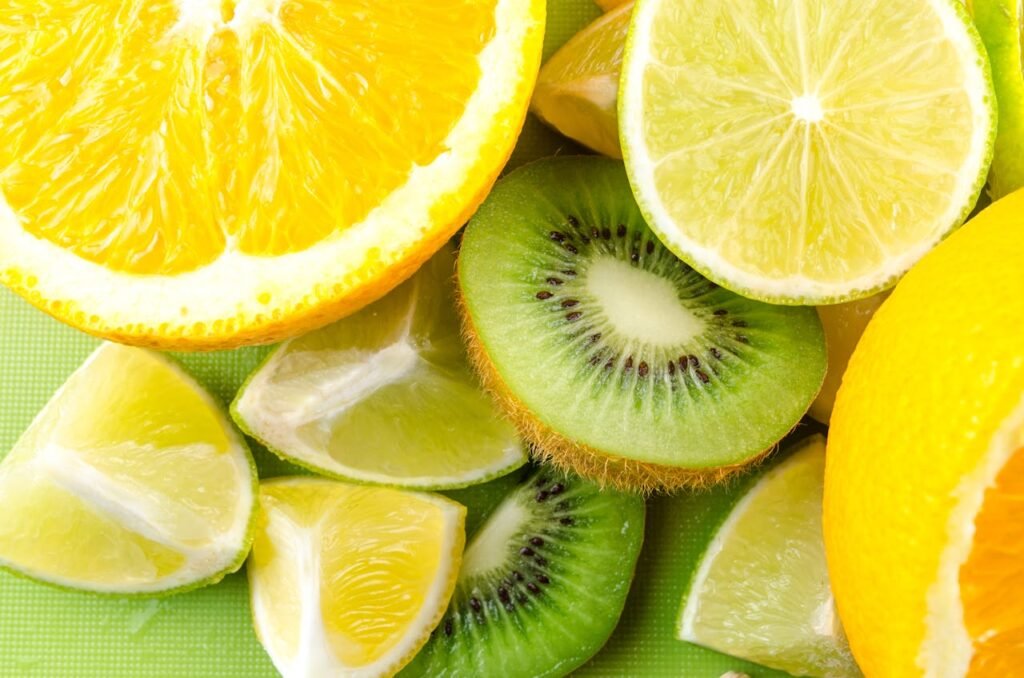
The following table illustrates why kiwi is a superior choice for pairing with iron-rich meals compared to other common fruits.
| Fruit (100g serving) | Vitamin C Content (approx.) | Sugar Content | Fibre Content |
|---|---|---|---|
| Kiwi (SunGold) | 161 mg | 12g | 1.4g |
| Kiwi (Green) | 92 mg | 9g | 3g |
| Orange | 53 mg | 9g | 2.4g |
| Strawberries | 58 mg | 4.9g | 2g |
| Lemon | 53 mg | 2.5g | 2.8g |
Data emulated based on standard nutritional databases.
As shown, SunGold kiwis can provide nearly triple the Vitamin C of oranges, making them a highly efficient booster for your iron levels.
Tips for management
Managing iron levels through diet requires consistency. Here are actionable tips to integrate kiwi into your routine effectively.
1. Timing is Everything
To get the benefit, you must eat the kiwi at the same time as your iron-rich food. Eating a kiwi two hours after your meal will not help with the absorption of the iron from that meal.
2. The Breakfast Boost
Breakfast is often a meal high in non-haem iron (fortified cereals, oats, or toast).
- Strategy: Slice a kiwi over your porridge or cereal.
- Why it works: The Vitamin C in the kiwi will directly interact with the iron in the cereal during digestion.
3. Smart Salads
If you are having a spinach or kale salad (rich in iron but difficult to absorb), add diced kiwi. The sweetness contrasts well with bitter greens, and the acidity aids absorption.
4. Avoid Inhibitors
Try to avoid drinking tea or coffee with your meals. The tannins in these drinks can inhibit iron absorption. Wait at least one hour after eating before having your cuppa. This advice is supported by the Scientific Advisory Committee on Nutrition.
5. Smoothies for the Win
Blend a handful of spinach (iron) with two kiwis (Vitamin C) and some water or plant milk. This creates a high-absorption iron drink. It is a technique often cited in studies, such as those found on PubMed – Ascorbic acid study, which demonstrate the efficacy of liquid suspensions for absorption.
Frequently Asked Questions
Can I just take a Vitamin C supplement instead of a kiwi?
Yes, supplements work. However, whole foods like kiwi provide additional benefits, including fibre, antioxidants, and enzymes like actinidin. Whole foods are generally preferred by dietitians for long-term health. See advice from The Vegetarian Society – Iron.
Is it safe to eat the skin of the kiwi?
Absolutely. The skin is edible and contains a high concentration of fibre and antioxidants. Just ensure you wash it thoroughly to remove the fuzz (on green kiwis) or choose SunGold kiwis which have smoother skin.
How many kiwis should I eat per day?
One to two kiwis a day is sufficient to reach your Vitamin C targets and aid iron absorption. There is generally no need to consume more than this.
Does cooking the kiwi destroy the Vitamin C?
Yes, Vitamin C is heat-sensitive. It is best to eat the kiwi raw to maximise its iron-boosting potential. Adding it to a cooked meal after the heat has been turned off is a good compromise.
I am vegetarian; is this enough?
Vegetarians rely entirely on non-haem iron, so this strategy is critical. You may need to pay closer attention to your levels than meat-eaters. The NHS – Eat Well guide suggests vegetarians ensure they consume a variety of iron sources daily.
The bottom line
Iron deficiency is a draining condition that can significantly impact your quality of life, but it is often manageable with the right dietary knowledge. While iron-rich foods are the foundation, they are only half the battle. Absorption is the key to success.
Kiwi fruit and iron absorption go hand-in-hand. The exceptional Vitamin C content of kiwis makes them one of the most effective natural tools for converting plant-based iron into a form your body can use.
By simply adding a raw kiwi to your breakfast cereal, salad, or post-dinner snack, you can drastically improve your iron uptake. Remember to consult your GP if you suspect you are anaemic, but for general maintenance and energy, the kiwi is a small fruit with a massive impact. For a broader look at minerals, visit the British Nutrition Foundation – Minerals page.