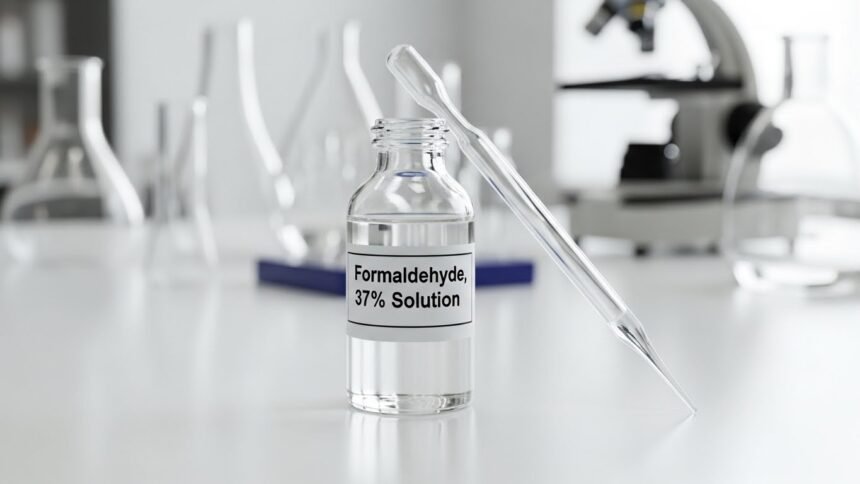
Have you ever walked into a freshly renovated room or unboxed a new piece of flat-pack furniture and noticed a distinct, pungent scent? That ‘new’ smell is often perceived as a sign of cleanliness or novelty, but it can actually indicate the presence of airborne chemicals.
Our homes are our sanctuaries, places where we expect to feel safe and protected. However, invisible pollutants often linger in the very items we use to build, decorate, and clean our living spaces. One of the most common—and concerning—of these pollutants is formaldehyde.
While the word might conjure images of science laboratories, this chemical is surprisingly pervasive in modern domestic environments. It is not just an industrial byproduct; it is a standard ingredient in manufacturing processes for everyday goods.
Understanding where this chemical hides is the first step toward creating a healthier home environment. It is not about panic or completely stripping your home bare. Instead, it is about making informed choices to improve your indoor air quality.
In this article, we explore the common household items that release formaldehyde, the signs of exposure, and practical steps you can take to minimise risk for you and your family.
What Is Formaldehyde?
Formaldehyde is a colourless, strong-smelling gas. It is classified as a volatile organic compound (VOC), which means it can easily become a gas at room temperature. This process is often referred to as ‘off-gassing’.
Manufacturers rely on formaldehyde because it is an incredibly effective preservative and bonding agent. It helps kill bacteria, preserve biological specimens, and, most importantly for household goods, acts as a potent adhesive component in resins.
While small amounts of formaldehyde occur naturally in the environment—produced by plants, animals, and humans as part of our metabolism—concentrated levels indoors are a significant concern. The Health and Safety Executive (HSE) in the UK sets strict workplace exposure limits, but residential limits are harder to regulate.
Long-term exposure to high levels of formaldehyde has been linked to serious health issues. The International Agency for Research on Cancer (IARC) classifies it as a human carcinogen, highlighting potential cancer risks associated with prolonged inhalation.
Common Household Sources of Formaldehyde
Formaldehyde is rarely added to products as a standalone ingredient. Instead, it is usually released by preservatives or resins used within the product. Here is where it is most commonly found.
1. Pressed Wood Products
The most significant source of formaldehyde in the average home is pressed wood. This includes particleboard, hardwood plywood panelling, and medium-density fibreboard (MDF).
These materials are made by gluing small wood pieces or fibres together. The adhesives used are often urea-formaldehyde (UF) resins. UF resins are known to off-gas more formaldehyde than phenol-formaldehyde (PF) resins, which are typically used in exterior-grade wood products.
New furniture, laminate flooring, and kitchen cabinets can release gas for months or even years after installation.
2. Fabrics and Clothing
To keep clothes looking crisp and new, manufacturers often treat fabrics with formaldehyde-based resins. This is particularly common in items labelled:
- Permanent press
- Wrinkle-free
- Stain-resistant
- Shrink-proof
These finishes effectively lock the fibres in place but can release formaldehyde when the fabric is warm or damp. This includes curtains, upholstery, and even bed linens.
3. Cosmetics and Personal Care Products
Many toiletries contain preservatives that release small amounts of formaldehyde over time to prevent bacterial growth. These are known as ‘formaldehyde releasers’.
Common culprits include nail hardeners, eyelash glue, hair smoothing treatments, and some liquid soaps. If you have sensitive skin, these ingredients can act as triggers for eczema or other skin conditions.
Look for ingredients such as quaternium-15, DMDM hydantoin, imidazolidinyl urea, and diazolidinyl urea on the label.
4. Paints, Glues, and Adhesives
While many modern paints are labelled ‘low-VOC’, solvent-based paints, varnishes, and floor finishes remain a source of formaldehyde.
Additionally, household glues, including super glues and rubber cements, often contain the chemical. When using these products for hobbies or repairs, the concentration in the air can spike temporarily.
5. Cleaning Products
Certain household cleaners, including dishwashing liquids and fabric softeners, may contain formaldehyde-releasing preservatives.
Furthermore, the reaction between terpenes (found in pine and citrus-scented cleaners) and ozone in the air can generate formaldehyde as a secondary pollutant. This highlights the complexity of volatile organic compounds in a domestic setting.
6. Combustion Sources
Formaldehyde is a byproduct of combustion. If you smoke indoors, use unvented gas stoves, or burn wood in a fireplace, you are introducing formaldehyde into your living space.
Proper ventilation is critical when using any fuel-burning appliance to prevent the accumulation of this and other gases like carbon monoxide.
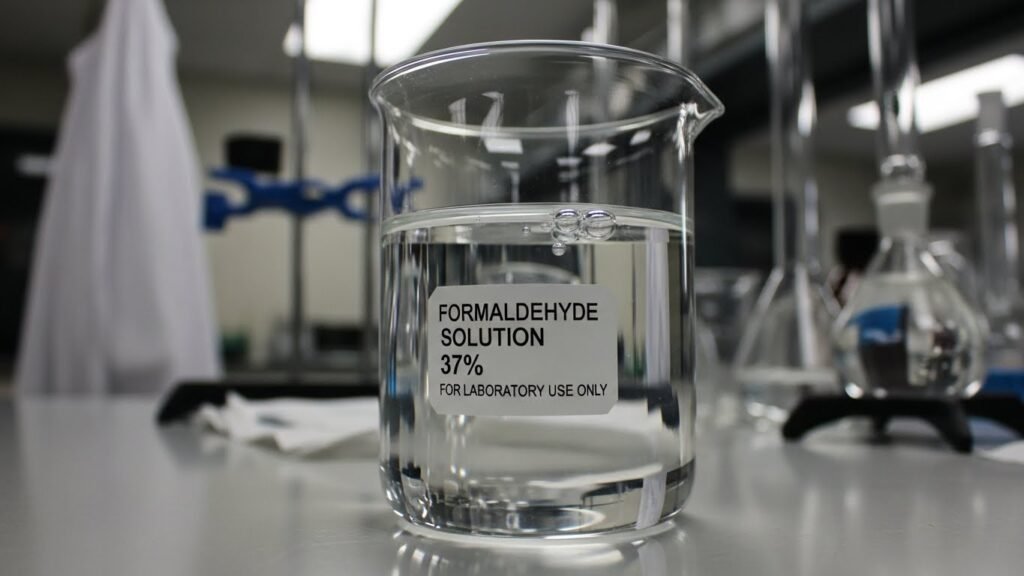
Symptoms of Formaldehyde Exposure
Sensitivity to formaldehyde varies greatly from person to person. Some individuals may show no signs of distress at levels that make others feel quite ill. Children, the elderly, and those with asthma are typically more vulnerable.
Common symptoms include:
- Respiratory issues: Coughing, wheezing, or a sore throat.
- Eye irritation: Watery, red, or burning eyes.
- Nasal distress: A blocked or runny nose, often mistaken for a common cold.
- Skin reactions: Rashes, itchiness, or contact dermatitis upon touching treated surfaces.
- General fatigue: Headaches and nausea.
If symptoms improve when you leave the house and return when you come back, it is a strong indicator that the issue is related to your indoor environment. For more detailed information on severe reactions, you can read about formaldehyde poisoning.
Actionable Tips to Reduce Exposure
Eliminating formaldehyde completely is nearly impossible, but you can significantly lower the levels in your home with a few proactive strategies.
Prioritise Ventilation
The most effective way to lower indoor VOC concentrations is to increase fresh air flow. Open windows daily, even for just a few minutes. Use exhaust fans in kitchens and bathrooms to vent pollutants outside.
Choose Safer Wood Products
When buying furniture or remodelling, ask for exterior-grade pressed wood products (which use phenol resins) or items labelled as ‘no added urea-formaldehyde’ (NAUF). Alternatively, solid wood furniture or second-hand pieces that have already off-gassed are excellent choices.
Wash Before You Wear
Always wash new clothing and bedding before use. A thorough wash cycle can drastically reduce the amount of formaldehyde remaining on the fabric from the manufacturing process.
Control Temperature and Humidity
Formaldehyde release rates increase with heat and humidity. By keeping your home cool and using a dehumidifier to maintain humidity levels between 30% and 50%, you can slow down the off-gassing process.
Read Labels Carefully
Become a label detective. Avoid personal care products containing formaldehyde-releasing preservatives. Opt for ‘fragrance-free’ or natural alternatives where possible to avoid unexpected allergic reactions.
Consider Houseplants
While not a cure-all, certain houseplants like Boston ferns and spider plants have been shown to absorb low levels of VOCs. They can be a helpful addition to a wider air quality strategy, particularly for child health and creating a pleasant environment.
Comparison of Wood Products and Formaldehyde Risk
| Wood Product Type | Resin Typically Used | Formaldehyde Emission Risk | Safer Alternative |
|---|---|---|---|
| Particleboard | Urea-Formaldehyde (UF) | High (Especially when new) | Solid Wood, FSC-Certified Wood |
| MDF (Medium Density Fibreboard) | Urea-Formaldehyde (UF) | High (Higher surface area for glue) | Formaldehyde-free MDF, Metal, Glass |
| Hardwood Plywood | Phenol-Formaldehyde (PF) or UF | Medium (Depends on resin type) | Exterior Grade Plywood |
| Oriented Strand Board (OSB) | Phenol-Formaldehyde (PF) | Low (PF off-gasses less) | N/A |
| Solid Timber | None (Natural Lignin) | Negligible | N/A |
Frequently Asked Questions
Does the smell of formaldehyde go away?
Yes, the smell typically dissipates as the product off-gasses. However, the chemical can continue to be released at lower, odourless levels for years. High heat and humidity can cause the smell to return temporarily.
How can I test my home for formaldehyde?
Home test kits are available online and can provide a general indication of levels. For a precise measurement, specifically if health issues are persistent, it is best to hire a professional indoor air quality consultant.
Are ‘natural’ products always formaldehyde-free?
Not necessarily. ‘Natural’ is not a regulated term. Always check the ingredient list. However, products certified by reputable eco-labels are generally safer bets for keeping your lungs healthy.
The Bottom Line
Discovering that formaldehyde is present in so many common household items can feel unsettling, but knowledge is your best defence. You do not need to renovate your entire home or throw away all your furniture to make a difference.
Start with small, manageable changes. Open your windows more frequently to improve ventilation. Wash new clothes before wearing them. When the time comes to replace furniture or remodel, opt for solid wood or low-VOC materials.
By being mindful of what you bring into your home, you can significantly reduce your family’s exposure and create a safer, cleaner living environment.