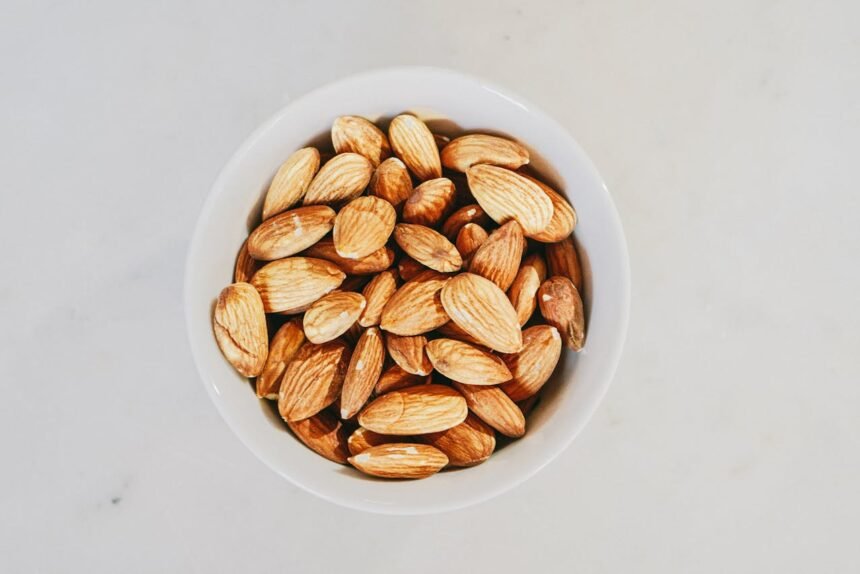
Almonds (Prunus dulcis) have been cherished for centuries, dating back to ancient times in the Middle East and South Asia. While the nut itself is a staple in healthy diets worldwide, the oil extracted from these nuts has gained massive popularity for its versatility in both the kitchen and the beauty cabinet. Almond oil is a nutritional powerhouse, packed with healthy fats, antioxidants, and essential vitamins.
Generally, there are two types of almond oil: sweet and bitter. Sweet almond oil is the carrier oil used for skin, hair, and cooking, while bitter almond oil is an essential oil that can be toxic if not processed correctly. This article focuses on sweet almond oil, exploring its impressive profile and how it can improve your health from the inside out.
Nutritional Profile of Almond Oil
Almond oil is not merely a source of fat; it is a rich delivery system for vital bio-compounds. One of its most significant claims to fame is its high Vitamin E content. Just one tablespoon can provide a substantial portion of your daily requirement. Vitamin E is a potent antioxidant that protects cells from oxidative stress. If you are looking to boost your intake, you can read more about the top benefits of Vitamin E for overall longevity.
According to the USDA National Nutrient Database, almond oil is predominantly composed of monounsaturated fats. These are the same heart-healthy fats found in olive oil, known for their ability to support cardiovascular health. Unlike saturated fats, which can raise bad cholesterol levels, the lipid profile of almond oil makes it an excellent addition to a balanced diet.
Benefits for Skin Health
For centuries, almond oil has been used in Ayurvedic and traditional Chinese medicine to treat dry skin conditions. Modern dermatology confirms that almond oil is an effective emollient, meaning it helps to smooth the skin and seal in moisture. It is particularly beneficial for those looking to address chronic dry skin issues naturally.
Moisturizing and Barrier Repair
Your skin barrier is the first line of defense against environmental aggressors. When this barrier is compromised, skin becomes dry, itchy, and prone to irritation. Research published in PubMed suggests that almond oil has anti-inflammatory and immunity-boosting properties that can help soothe conditions like eczema and psoriasis. Its light texture allows it to penetrate deeper than heavier oils, delivering hydration without clogging pores, although those with acne-prone skin should test it first.
Reducing Skin Aging and UV Damage
Exposure to ultraviolet (UV) radiation is one of the primary causes of premature aging. The high concentration of Vitamin E in almond oil may help reduce damage caused by UV exposure. While it is not a substitute for sunscreen, applying almond oil can support the skin’s recovery process. For a comprehensive approach, combine this with other natural sun protection strategies.
Improving Complexion and Tone
Anecdotal evidence suggests that almond oil can help reduce the appearance of dark circles and improve overall skin tone. Its emollient properties help soften the skin, giving it a rejuvenated look. While more clinical trials are needed to confirm its efficacy specifically for dark circles, its ability to improve skin elasticity is well-documented.
Benefits for Hair Health
Almond oil is a popular ingredient in many shampoos and conditioners, but using the pure oil can provide more concentrated benefits. It fills in gaps in the hair shaft at a cellular level, making hair feel smoother to the touch.
Strengthening and Smoothing
Applying almond oil to your hair can reduce friction during styling, which essentially means less breakage. A study available via the National Institutes of Health (NIH) highlights how lubricating vegetable oils can prevent structural damage to hair strands. By regularly applying almond oil as a mask or leave-in treatment, you can make your hair more resilient to combing and heat styling.
Scalp Health and Dandruff
A healthy scalp is the foundation of healthy hair. Dry, flaky scalps can lead to dandruff and discomfort. The moisturizing qualities of almond oil help loosen dead skin cells, making them easier to wash away. If you struggle with scalp irritation, incorporating almond oil into your DIY hair care routine can provide relief. Furthermore, because it is lighter than coconut oil or castor oil, it is easier to rinse out and less likely to weigh down fine hair.
Cooking with Almond Oil and Heart Health
When used in the kitchen, almond oil offers more than just a nutty flavor; it offers significant cardiovascular protection. There are generally two types of culinary almond oil: refined and unrefined (cold-pressed). Unrefined oil preserves the nutrients and flavor but has a lower smoke point, while refined oil withstands higher heat but loses some nutritional value.
Cholesterol Management
Substituting saturated fats with unsaturated fats is a cornerstone of a heart-healthy diet. Studies show that a diet rich in almonds and almond oil can lower LDL (bad) cholesterol while maintaining or increasing HDL (good) cholesterol. For those managing their levels, learning about natural ways to lower cholesterol is essential. Research from the American Heart Association consistently supports the consumption of monounsaturated fats for reducing the risk of heart disease and stroke.
Blood Sugar Regulation
Almond oil may also play a role in stabilizing blood sugar levels. Because it is a pure fat with no carbohydrates, it does not cause an insulin spike. Furthermore, healthy fats can slow the absorption of sugar into the bloodstream when consumed with a meal. This makes it a smart choice for individuals focusing on blood sugar management strategies.
Weight Management
While oil is calorie-dense, the inclusion of healthy fats in a diet promotes satiety. This feeling of fullness can prevent overeating. Evidence cited by biomedical research journals suggests that diets incorporating nuts and nut oils do not necessarily lead to weight gain and may assist in weight maintenance when calories are controlled. To understand which lipids to prioritize, check out our guide on healthy fats vs. unhealthy fats.
Potential Risks and Side Effects
While generally safe, there are important considerations before adding almond oil to your regimen.
Nut Allergies
The most significant risk is for individuals with a tree nut allergy. If you are allergic to almonds, you should avoid almond oil both topically and internally. Reactions can range from hives to anaphylaxis. The American College of Allergy, Asthma & Immunology provides detailed guidelines on managing tree nut allergies. If you are unsure about your status, read about identifying food sensitivities safely.
Comedogenic Rating
Almond oil has a comedogenic rating of 2, meaning it is moderately likely to clog pores. While many people with acne use it successfully, those with very oily skin might prefer oils with a lower rating, such as argan or hemp seed oil.
How to Choose and Use Almond Oil
Not all oils are created equal. The processing method dictates the quality and best use case for the product.
For Skincare
Look for “cold-pressed” or “expeller-pressed” sweet almond oil. These extraction methods do not use high heat or chemical solvents, preserving the Vitamin E and antioxidants. Store the oil in a cool, dark place to prevent rancidity. You can mix it with essential oils or use it alone as a natural moisturizer after a shower.
For Cooking
If you are cooking at high heat, you may need a refined almond oil, which has a higher smoke point (around 420°F or 215°C). However, for finishing dishes, salad dressings, or dips, unrefined oil is superior due to its rich flavor. Using the right oil is crucial for safety and taste; refer to our guide to cooking oils to avoid burning your healthy fats.
Application Tips
- Makeup Remover: Apply a small amount to a cotton pad to gently wipe away makeup without stripping the skin.
- Cuticle Oil: Massage a drop into cuticles to prevent cracking and peeling.
- Hair Serum: Rub a dime-sized amount between palms and smooth over the ends of damp hair.
- Pregnancy: Massage onto the abdomen to keep skin supple. A study in the Journal of Clinical Nursing investigated bitter almond oil for stretch marks, though sweet almond oil is more commonly used for general elasticity. For more tips, see our pregnancy skincare guide.
The Bottom Line
Almond oil is a versatile, nutrient-dense addition to your wellness routine. Whether you are drizzling it over a salad to boost heart health or applying it to your skin for a natural glow, its benefits are supported by both history and science. It provides a rich source of Vitamin E and monounsaturated fats that fight inflammation and oxidative stress. As with any supplement or skincare product, patch testing is recommended, and those with nut allergies must steer clear. By choosing high-quality, cold-pressed varieties, you can harness the full potential of this ancient remedy.
For more detailed health information, consult resources from the World Health Organization (WHO) or your primary care provider.