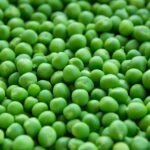
Green peas, often technically classified as legumes but enjoyed as starchy vegetables, are a staple in British culinary traditions. From mushy peas accompanying fish and chips to a vibrant addition in a shepherd’s pie, they are ubiquitous. However, a common question arises regarding eating raw green peas. Is it safe to consume them straight from the pod, or does this pose health risks?
The short answer is yes, you can eat green peas raw. Unlike some other legumes that require thorough cooking to eliminate toxicity, green peas are generally safe in their raw state. However, there are nuances regarding digestibility and antinutrients that are worth exploring.
This article provides an exhaustive look at the safety, nutritional implications, and potential downsides of consuming raw green peas.
Nutritional Profile of Raw Green Peas
Green peas are often underestimated in terms of their nutritional density. They are not merely a side dish; they are a powerhouse of vitamins, minerals, and plant-based protein. When eaten raw, they retain certain water-soluble vitamins that might otherwise be degraded by heat.
A 160-gram serving (roughly one cup) of raw green peas provides an impressive array of nutrients. They are particularly rich in Vitamin K, Vitamin C, and Manganese.
Here is a breakdown of the key nutrients found in raw green peas:
| Nutrient | Amount per 160g | % Daily Value (DV) |
|---|---|---|
| Calories | 118 kcal | – |
| Carbohydrates | 21 grams | – |
| Protein | 8 grams | 16% |
| Fibre | 7 grams | 28% |
| Vitamin K | 40 mcg | 34% |
| Vitamin C | 64 mg | 71% |
| Manganese | 0.8 mg | 36% |
| Folate | 101 mcg | 25% |
Source: USDA FoodData Central
Because they are high in protein and fibre, peas are excellent for satiety, helping to manage appetite. The high Vitamin C content in raw peas is particularly notable, as cooking can reduce this heat-sensitive antioxidant significantly.
Antinutrients: The Potential Concern
While eating raw green peas is generally considered safe, it is important to understand why some people hesitate to eat raw legumes. Legumes contain compounds known as antinutrients. These are substances that can reduce the body’s ability to absorb essential nutrients or cause digestive distress.
1. Lectins
Lectins are a family of proteins found in most plant foods, with particularly high concentrations in legumes like kidney beans. In high amounts, active lectins can interfere with nutrient absorption and damage the lining of the digestive tract.
However, the concentration of lectins in green peas is significantly lower than in other legumes. According to research, while raw peas do contain lectins, the levels are generally not high enough to cause toxicity in moderate amounts. Cooking eliminates most lectins, but for the average person, the amount in a handful of raw peas is unlikely to cause harm.
For more context on how legumes affect health, you can read more at Healthline.
2. Phytic Acid
Phytic acid is found in plant seeds and binds to minerals like iron, zinc, and calcium, creating complexes that the body cannot absorb. This can contribute to mineral deficiencies over time if the diet is heavily reliant on raw legumes and grains.
While phytic acid is present in raw peas, it is rarely a concern for those with a balanced diet. If you are eating meat or other sources of iron, the impact of phytic acid from a serving of peas is negligible. Interestingly, phytic acid also acts as an antioxidant.
Research on phytic acid reduction suggests that soaking or cooking legumes is the best way to degrade this compound, but raw consumption in moderation is safe.
3. Protease Inhibitors
These are compounds that can inhibit digestive enzymes, such as trypsin, which are necessary for breaking down proteins. If consumed in massive quantities, raw peas could theoretically lower the digestibility of the protein they contain.
However, for most people, the levels found in fresh garden peas are not sufficient to cause protein malnutrition or significant digestive upset.
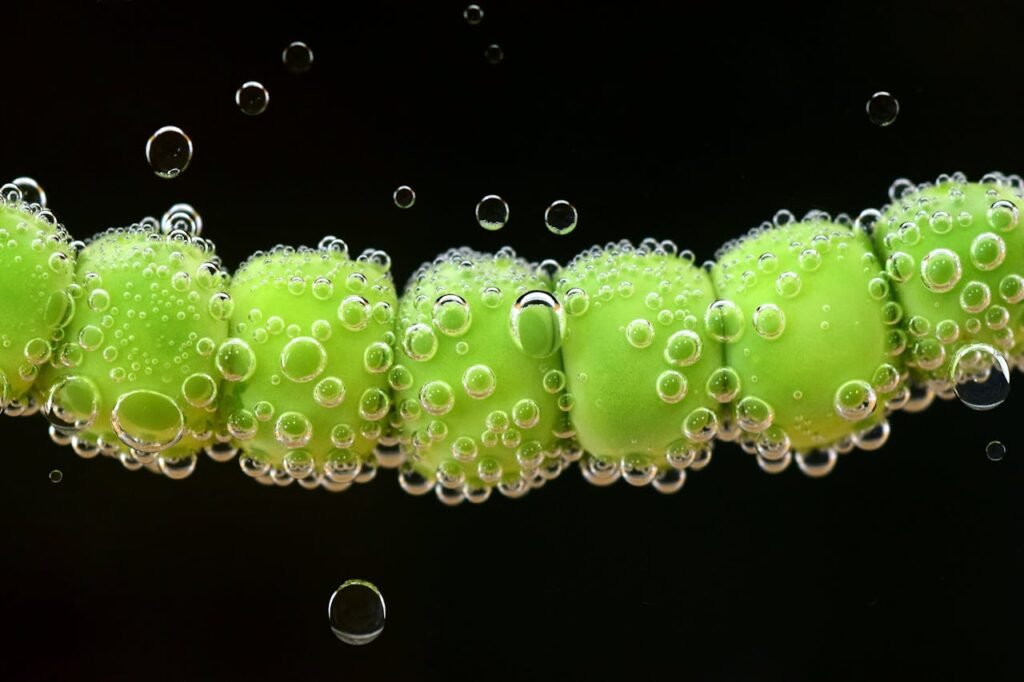
Digestive Health and Bloating
One of the most immediate side effects of eating raw green peas is potential digestive discomfort. Peas contain specific carbohydrates known as galacto-oligosaccharides (GOS), which are part of the FODMAP family.
FODMAPs are fermentable carbohydrates that resist digestion in the small intestine. When they reach the large intestine, bacteria ferment them, producing gas. This can lead to bloating, flatulence, and abdominal pain, particularly in individuals with Irritable Bowel Syndrome (IBS).
According to Monash University, who developed the low FODMAP diet, the serving size matters. Small amounts of peas may be tolerated, but larger servings of raw peas can trigger symptoms in sensitive individuals.
Furthermore, the high fibre content—while beneficial for bowel regularity—can be a shock to the system if you are not used to a high-fibre diet. The NHS recommends gradually increasing fibre intake to allow your gut bacteria to adjust.
Raw vs. Cooked: Which is Better?
Deciding between raw and cooked peas depends on your nutritional goals. Both forms offer distinct benefits.
Benefits of Raw Peas
- Higher Vitamin C: Vitamin C is heat-sensitive. Boiling or steaming peas can destroy a significant portion of this vitamin. Raw peas are an excellent source for immune support.
- Crunch and Flavour: Raw peas offer a distinctively sweet, crisp texture that adds variety to salads.
- Convenience: No preparation time is required beyond washing and shelling.
Benefits of Cooked Peas
- Reduced Antinutrients: Cooking neutralises most lectins and reduces phytic acid, making minerals more bioavailable.
- Easier Digestion: Heat breaks down complex fibres and cell walls, making the peas easier to digest and less likely to cause severe bloating.
- Enhanced Protein Availability: Denaturing the proteins through heat can make them easier for enzymes to access.
For a deeper understanding of plant protein, Harvard T.H. Chan School of Public Health offers comprehensive resources.
Food Safety: Contamination Risks
When eating raw green peas, biological contamination is a factor that must be considered. Like any fresh produce grown in soil, pea pods can be contaminated with harmful bacteria such as Salmonella, E. coli, or Listeria.
These pathogens can transfer from the soil, animals, or handling during harvest. While the peas inside the pod are generally sterile, the act of shelling them can transfer bacteria from the outside of the pod to the edible pea inside.
To mitigate this risk, the CDC advises thoroughly washing all produce under running water before eating, cutting, or cooking. Even if you do not plan to eat the pod, washing it before shelling is a crucial safety step.
Practical Tips for Eating Raw Peas
If you enjoy the snap and sweetness of fresh peas, here are practical ways to incorporate them into your diet safely and deliciously.
Selection and Storage
- Look for Freshness: Choose pods that are bright green, firm, and plump. Avoid pods that are yellowing, wrinkled, or look dry.
- Check the Sound: Fresh pods should “snap” audibly when broken.
- Refrigerate: The sugars in peas turn to starch quickly after harvest. Keep them in the vegetable crisper to maintain sweetness.
Preparation Ideas
- Garden Snacks: The simplest way is to shell them and eat them as a snack, perhaps with a hummus dip.
- Salad Toppers: Add raw peas to a leafy green salad for a burst of sweetness and crunch. They pair well with feta cheese and mint.
- Cold Soups: Blend raw peas with avocado, cucumber, and yoghurt for a chilled summer soup that retains all the Vitamin C.
- Smoothies: A handful of frozen or fresh raw peas can add protein and fibre to a green smoothie without overpowering the flavour.
Who Should Avoid Them?
- IBS Sufferers: Those on a strict low-FODMAP diet should proceed with caution.
- Individuals with Gout: Peas contain purines, which can increase uric acid levels. According to the Arthritis Foundation, moderate consumption is usually fine, but raw intake should be monitored.
The Bottom Line
Eating raw green peas is safe for the majority of people and offers a nutritious, high-protein alternative to processed snacks. They are rich in Vitamin K, Vitamin C, and fibre.
While they do contain antinutrients like lectins and phytic acid, the levels in green peas are considerably lower than in other legumes, posing little risk to healthy individuals. However, if you have a sensitive digestive system or suffer from IBS, the high fibre and FODMAP content might cause bloating or gas. In such cases, lightly steaming the peas may be a better option.
Always ensure you wash the pods thoroughly before shelling to prevent bacterial contamination.
Ultimately, whether you enjoy them fresh from the garden or lightly steamed on your plate, green peas are a vibrant and healthy addition to your diet.