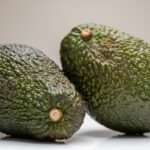
Avocados are often termed a superfood, celebrated for their heart-healthy monounsaturated fats, fibre, and potassium content. For gardening enthusiasts with limited space, the prospect of growing Persea americana (the avocado tree) can seem daunting. Standard avocado trees can reach heights of 20 metres, making them unsuitable for urban patios or indoor conservatories.
However, genetic selection has yielded a solution: dwarf varieties. These compact trees offer the same nutrient-dense fruit but remain manageable in containers.
Finding high-quality dwarf avocado trees for sale online requires due diligence regarding the specific cultivar, rootstock, and the phytosanitary status of the nursery. This guide explores the science of growing these miniature powerhouses and how to manage their health in a British climate.
Overview
The avocado is unique among fruits, primarily containing healthy fats rather than carbohydrates.
Research highlights that regular consumption supports cardiovascular health and weight management. Yet, importing these fruits has a significant carbon footprint.
Growing your own reduces this impact. While the UK climate poses challenges—avocados are subtropical—dwarf varieties grown in pots can be moved indoors during frost.
The term “dwarf” in horticulture refers to trees that naturally stay small or are grafted onto rootstocks that inhibit vigorous vertical growth.
The most famous true dwarf is the ‘Wurtz’ (often sold as Little Cado), which rarely exceeds 3 metres unpruned. Other varieties like ‘Gem’ or ‘Lamb Hass’ are semi-dwarf but can be managed with pruning.
When searching for dwarf avocado trees for sale online, it is crucial to understand that you are adopting a living organism with specific physiological needs, not merely buying a product.
Symptoms of Plant Stress and Causes
Unlike traditional houseplants, fruit-bearing trees communicate their health status through specific physiological symptoms. Understanding these is vital for early intervention.
Symptom: Leaf Chlorosis (Yellowing)
The Symptom: Older leaves turn yellow while veins remain green, or new growth appears pale.
The Cause: This is frequently caused by iron deficiency (iron chlorosis) or nitrogen deficiency. In container-grown dwarf trees, nutrients leach out of the soil faster than in the ground.
Furthermore, if your water is highly alkaline (hard water), it can lock out nutrients, preventing the roots from absorbing iron even if it is present in the soil.
Symptom: Browning Leaf Tips and Margins
The Symptom: The edges of the leaves turn brown and crispy, often referred to as ‘tip burn’.
The Cause: This is a classic sign of salt accumulation. Avocados are notoriously sensitive to chlorides and sodium.
Tap water often contains salts that build up in the potting mix over time. Inadequate drainage exacerbates this, as the salts are not flushed away.
Symptom: Root Rot
The Symptom: The tree looks wilted despite the soil being wet. Leaves may drop, and branches may die back (dieback).
The Cause: Phytophthora cinnamomi, a soil-borne water mould, is the primary cause.
Avocado roots require high oxygen levels. Heavy, water-logged soil suffocates the roots, creating an anaerobic environment where pathogens thrive. This is the most common cause of death for container avocados.
Symptom: Flower Drop (No Fruit Set)
The Symptom: The tree flowers profusely, but the blooms fall off without producing fruit.
The Cause: This often relates to pollination biology. Avocados have a unique flowering behaviour known as synchronous dichogamy.
They are categorised as Type A or Type B. While many are self-fertile to an extent, environmental stress (temperature fluctuations) or lack of a compatible pollinator partner can result in poor fruit set.

Treatment and Management
Successfully managing a dwarf avocado tree involves replicating a subtropical environment and maintaining strict hygiene.
Soil Composition and Drainage
Treatment: Never use standard garden soil in pots. It compacts too easily.
Management: Create a mix that is 50% coarse potting compost and 50% coarse perlite or bark chips. This ensures rapid drainage.
Using a terracotta pot can also help, as the porous material allows the root ball to ‘breathe’ and excess moisture to evaporate.
Watering Regime
Treatment: If you suspect salt build-up (browning tips), you must leach the soil.
Take the pot outside or to a bathtub and run water through the soil for several minutes, allowing it to drain freely. This flushes out excess salts.
Management: Adopt a ‘soak and dry’ approach. Water deeply until water runs out of the bottom, then wait until the top 5cm of soil is dry before watering again. Use rainwater or distilled water if possible to avoid chlorine and fluorides found in tap water.
Fertilisation
Treatment: Correct chlorosis with chelated iron supplements applied as a foliar spray for immediate absorption.
Management: Use a citrus and avocado-specific fertiliser with a higher nitrogen and potassium ratio (N-P-K).
Apply frequent, light doses rather than infrequent heavy doses to prevent root burn. Zinc and Boron are also critical micronutrients for fruit set.
Pruning and Shape Control
Treatment: Remove dead or crossing branches immediately to improve airflow and reduce fungal risks.
Management: Even dwarf trees benefit from pinching.
Pinch off the tips of new growth to encourage bushiness. This keeps the centre of gravity low, which is essential for container stability.
Temperature Control
Management: UK growers must bring trees indoors when temperatures drop below 10°C.
However, indoor air is often dry. Place the pot on a tray of pebbles and water to increase humidity around the foliage without keeping the roots wet.
Tips for Buying and Growing
When looking for dwarf avocado trees for sale online, the marketplace can be varied. Here is how to ensure you buy a healthy specimen.
1. Identify the Variety
Ensure the listing specifies the cultivar.
- Wurtz (Little Cado): The only true dwarf. Grows to 2-3 metres. Fruit is green-skinned and nutty. A Type A flower, but essentially self-fertile in consistent temperatures.
- Gem: A semi-dwarf variety. Excellent taste. Needs some pruning.
- Lamb Hass: Similar to the popular Hass but more compact.
2. Check the Rootstock
For UK growers, the rootstock is vital.
Clone rootstocks (propagated vegetatively) often offer better disease resistance than seedling rootstocks. Look for resistance to Phytophthora.
3. Verify the Seller
Avoid general marketplaces where provenance is unclear.
Buy from dedicated nurseries that offer ‘plant passports’. This ensures the tree is free from pests and diseases upon arrival.
4. Acclimatisation
When your tree arrives, do not immediately place it in full sun or repot it.
Give it two weeks in a shaded, sheltered spot to recover from the stress of transit. This is known as ‘hardening off’.
5. Lighting Requirements
Avocados need light to synthesise energy.
Indoors, a south-facing window is best. In winter, supplemental grow lights (LEDs) may be necessary to prevent the tree from becoming ‘leggy’ (stretching for light).
The Bottom Line
Growing dwarf avocado trees in the UK is a rewarding horticultural challenge that yields delicious results.
While they require more attention than a standard houseplant—specifically regarding soil drainage, humidity, and salinity—the ability to harvest superfoods from your patio is unmatched.
Success lies in selecting the right cultivar, such as the Wurtz, and sourcing it from a reputable supplier.
When you find high-quality dwarf avocado trees for sale online, ensure you are prepared with the correct potting mix and a sunny location.
With patience and consistent care, you can enjoy the creamy, home-grown taste of success.