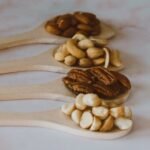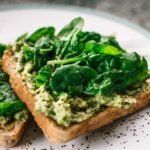
Adopting a Paleo lifestyle can be a transformative journey for your health, focusing on whole, unprocessed foods that mimic our ancestral dietary patterns. However, navigating this path when you have a nut allergy can feel incredibly restrictive at first glance.
Many standard Paleo recipes rely heavily on almond flour for baking, cashew cream for dairy-free sauces, and walnuts for that essential crunch in salads. If you live with a nut allergy, seeing these ingredients listed time and again can be discouraging.
The good news is that a nut-free Paleo diet is not only possible but can be exceptionally delicious and nutrient-dense. By shifting your focus towards seeds, healthy animal fats, and creative vegetable preparations, you can enjoy all the benefits of the Paleo framework without the risk.
Whether you are managing a life-threatening allergy or simply attending a nut-free school or workplace, this guide will empower you to create safe, satisfying meals. It is vital to understand food allergy symptoms and ensure every meal is prepared with care to avoid cross-contact.
What Is a Nut-Free Paleo Diet?
The standard Paleo diet prioritises whole foods such as meat, fish, eggs, vegetables, fruits, tubers, nuts, and seeds. It excludes processed foods, grains, legumes, and dairy. For those following a comprehensive paleo diet guide, nuts are often a primary source of healthy fats and a convenient snack.
A nut-free Paleo diet adheres to these same principles but strictly eliminates all tree nuts and peanuts (which are legumes, but often grouped with nuts in allergy contexts). This variation requires you to look elsewhere for texture and baking alternatives.
Why Choose This Approach?
For many, this isn’t a choice but a medical necessity. Nut allergies are among the most common food allergies worldwide, and reactions can range from mild itching to severe anaphylaxis.
However, others may choose a nut-free Paleo approach to lower their intake of Omega-6 fatty acids or to follow the Autoimmune Protocol (AIP), a stricter elimination diet designed to reduce inflammation in the body. Regardless of your motivation, the focus remains on nutrient density.
Navigating Labels and Safety
When buying ingredients, reading labels is non-negotiable. UK law requires strict allergen labelling rules on pre-packed foods. However, you must also be vigilant about precautionary allergen labelling, such as “may contain nuts,” which highlights the risk of cross-contamination in factories.
Essential Substitutions for Nut-Free Paleo Cooking
Replacing nuts in Paleo cooking is easier than you might realise. By keeping your pantry stocked with these alternatives, you won’t miss the almonds or cashews.
1. Seeds for Crunch and Baking
Seeds are the unsung heroes of a nut-free kitchen. They offer similar nutritional profiles to nuts, providing protein, fibre, and essential minerals.
- Sunflower Seeds: Excellent for making sun-butter (a peanut butter alternative) or adding to salads.
- Pumpkin Seeds (Pepitas): Rich in zinc and magnesium. They add a lovely green colour and crunch to soups.
- Hemp Hearts: Loaded with Omega-3s, these are soft and nutty—perfect for sprinkling over avocado.
If you are using seeds, ensure they are processed in a facility that accounts for cross-contamination if your allergy is severe.
2. Coconut Products
Botanically, a coconut is a drupe, not a true nut, and most people with tree nut allergies can tolerate it safely. It is a cornerstone of nut-free Paleo baking.
- Coconut Flour: A highly absorbent flour that creates fluffy pancakes and muffins. Note that it behaves very differently from almond flour; you usually need fewer dry ingredients and more eggs.
- Coconut Milk/Cream: The perfect replacement for cashew cream in curries and soups.
- Coconut Aminos: A soy-free, gluten-free alternative to soy sauce.
3. Tigernut Flour
Despite the name, tigernuts are small root vegetables (tubers), not nuts. Tigernut flour has a sweet, nutty flavour and is an excellent grain-free baking alternative that is safe for nut-allergy sufferers. It is high in prebiotic fibre, which supports gut health.
Actionable Nut-Free Paleo Meal Ideas
Here are structured meal ideas to keep your diet varied and exciting.
Breakfast: Starting the Day Right
Traditional cereals are out, and almond-flour pastries are off the table. Try these instead:
- Savoury Breakfast Hash: Sauté diced sweet potatoes with onions, spinach, and high-quality bacon or sausage. Top with a poached egg. This provides sustained energy and helps in managing blood sugar levels throughout the morning.
- Coconut Flour Porridge: Whisk coconut flour with coconut milk and an egg over low heat until thickened. Sweeten with berries and a dash of cinnamon. Top with sunflower seeds for texture.
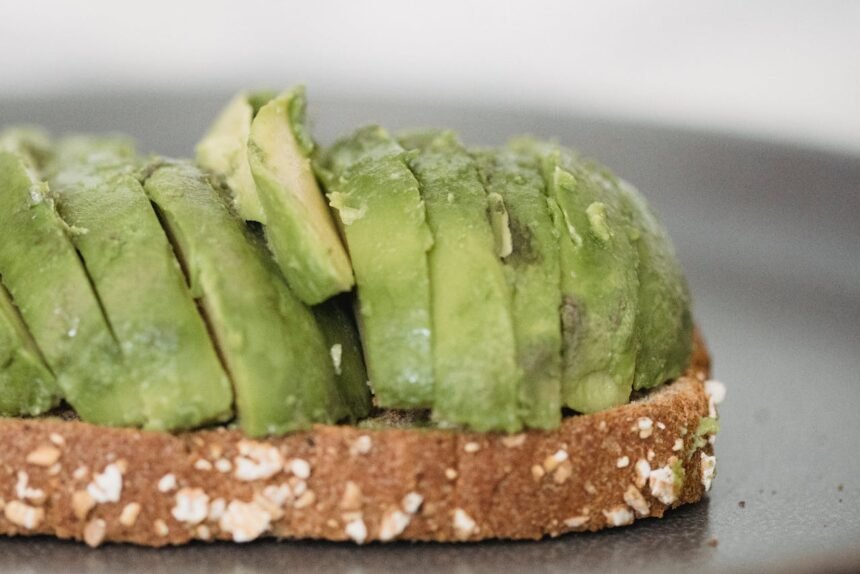
- Avocado Boats: Halve an avocado, remove the stone, and bake with an egg cracked into the centre. Sprinkle with chives and hemp hearts.
Lunch: Energising and Portable
Lunch needs to be quick and easy to transport.
- Mason Jar Salads: Layer olive oil dressing at the bottom, followed by hearty veggies like carrots and cucumbers, cooked chicken breast, and delicate greens on top. Use pumpkin seeds instead of walnuts for crunch.
- Creamy Cauliflower Soup: Roast cauliflower and blend with bone broth and coconut milk. This creates a velvety texture without dairy or cashews.
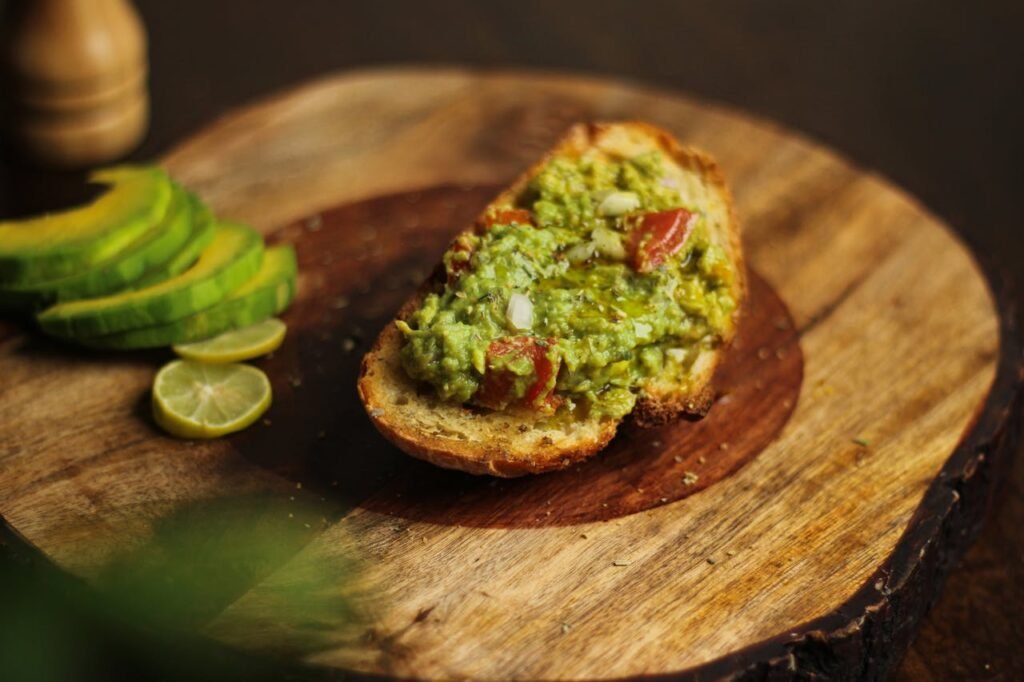
- Lettuce Wraps: Use large romaine or butter lettuce leaves as a vessel for taco-spiced minced beef or turkey. Top with homemade guacamole (guacamole provides excellent healthy fats).
Dinner: Hearty and Wholesome
End your day with nutrient-dense meals that the whole family can enjoy.
- Zucchini Noodles with Bolognese: Use a spiraliser to make zucchini noodles. Serve with a rich tomato and meat sauce. To mimic the richness of cheese, sprinkle with nutritional yeast.
- Sheet Pan Salmon and Asparagus: Roast salmon fillets alongside asparagus and cherry tomatoes drizzled in olive oil and lemon juice. This is rich in Omega-3s and naturally nut-free.
- Shepherd’s Pie with Cauliflower Mash: Make a traditional meat filling but top it with mashed cauliflower blended with olive oil or ghee instead of white potatoes.
Nutrient Comparison: Nuts vs. Seeds
Understanding the nutritional trade-off between nuts and their seed alternatives can help you plan a balanced diet. Below is a comparison of common nuts and their seed counterparts per 28g serving.
| Nutrient Factor | Almonds (Nut) | Sunflower Seeds (Seed) | Pumpkin Seeds (Seed) |
|---|---|---|---|
| Calories | 164 kcal | 165 kcal | 151 kcal |
| Protein | 6g | 5.5g | 7g |
| Carbohydrates | 6g | 7g | 5g |
| Fat | 14g | 14g | 13g |
| Vitamin E | 37% DV | 49% DV | 2% DV |
| Magnesium | 19% DV | 9% DV | 37% DV |
| Allergy Risk | High | Low | Low |
Note: Nutritional values are approximate. Seeds like sunflower seeds are a superior source of Vitamin E, a crucial antioxidant for skin and immune health.
Frequently Asked Questions
Is coconut a nut?
While the FDA in the US classifies coconut as a tree nut for labelling purposes, in the UK and clinically, it is usually considered a fruit (drupe). Most people with tree nut allergies can eat coconut safely, but you should always consult your allergist if you are unsure.
Can I use seed butters instead of nut butters?
Absolutely. Sunflower seed butter and pumpkin seed butter are excellent 1:1 replacements for peanut or almond butter in recipes. They provide a similar creamy texture and fat content.
How do I thicken sauces without cashew cream?
Coconut cream (the thick layer from a tin of full-fat coconut milk) is the most popular substitute. Alternatively, blending steamed cauliflower or zucchini into a sauce can add creaminess without adding a strong flavour.
Are there risks of cross-contamination with seeds?
Yes. Seeds are often processed on the same lines as nuts. Always look for brands that explicitly state they are produced in a nut-free facility to avoid anaphylaxis risks.
Is nutmeg a nut?
No, nutmeg is a spice derived from a seed and is generally safe for people with nut allergies. However, always check with your doctor if you have concerns about specific spices.
The Bottom Line
Following a Paleo diet without nuts requires a small shift in mindset but absolutely no sacrifice in flavour or nutrition. By embracing seeds, coconut products, and tigernut flour, you can recreate almost any texture or baked good you desire.
Focus on the abundance of fresh meats, fish, vegetables, and fruit available to you. Prioritise safety by reading labels diligently and opting for whole foods that don’t require an ingredients list. With these micronutrients and healthy fats, you will feel energised and satisfied.
A nut-free Paleo lifestyle is not just sustainable; it is a powerful way to fuel your body while keeping it safe.