Polio is a serious viral infection that can cause paralysis and permanent disability. While the UK has been polio-free for decades, the disease persists in other parts of the world. Adult immunisation remains a critical line of defence for travellers and healthcare workers.
Most adults in the UK received polio vaccinations during childhood. However, immunity can wane over time, necessitating a booster dose for continued protection. Understanding the potential side effects helps you prepare for your appointment.
Understanding the Inactivated Polio Vaccine (IPV)
The polio vaccine given to adults in the UK is the Inactivated Polio Vaccine (IPV). It contains a killed version of the virus that cannot cause the disease itself. This makes it extremely safe for the vast majority of the population.
In the UK, the polio booster is often combined with tetanus and diphtheria vaccines. This combination is clinically known as Revaxis. You can read more about this on the NHS polio vaccination guide.
Receiving a combined vaccine reduces the number of injections required. It simplifies the process for adults seeking travel health protection. However, it also means side effects may overlap with other components.
Common Local Reactions
The most frequently reported polio vaccine side effects in adults are local reactions at the injection site. You may experience mild pain, redness, or hardness where the needle entered the muscle. These symptoms usually appear within 48 hours and resolve quickly.
Local reactions are standard for many intramuscular injections. For instance, they are very similar to tetanus shot side effects redness and swelling. If you have tolerated vaccines well in the past, you will likely be fine.
You might feel a dull ache in your arm for a day or two. This sensation is comparable to meningitis vaccine side effects sore arm. Keeping the arm moving can often help reduce stiffness and discomfort.
Systemic Side Effects and What to Expect
Systemic side effects affect the body as a whole rather than just the arm. Some adults report a mild fever, headache, or fatigue shortly after vaccination. These are signs that your immune system is responding to the vaccine.
These symptoms are generally short-lived and manageable with rest. They are often less intense than flu jab side effects 2024, which can sometimes include muscle aches. You can take paracetamol if you feel uncomfortable.
It is rare to experience significant illness from the IPV booster. According to the Oxford Vaccine Group, serious allergic reactions occur in less than one in a million cases. Always wait in the clinic for 15 minutes post-vaccination as a precaution.
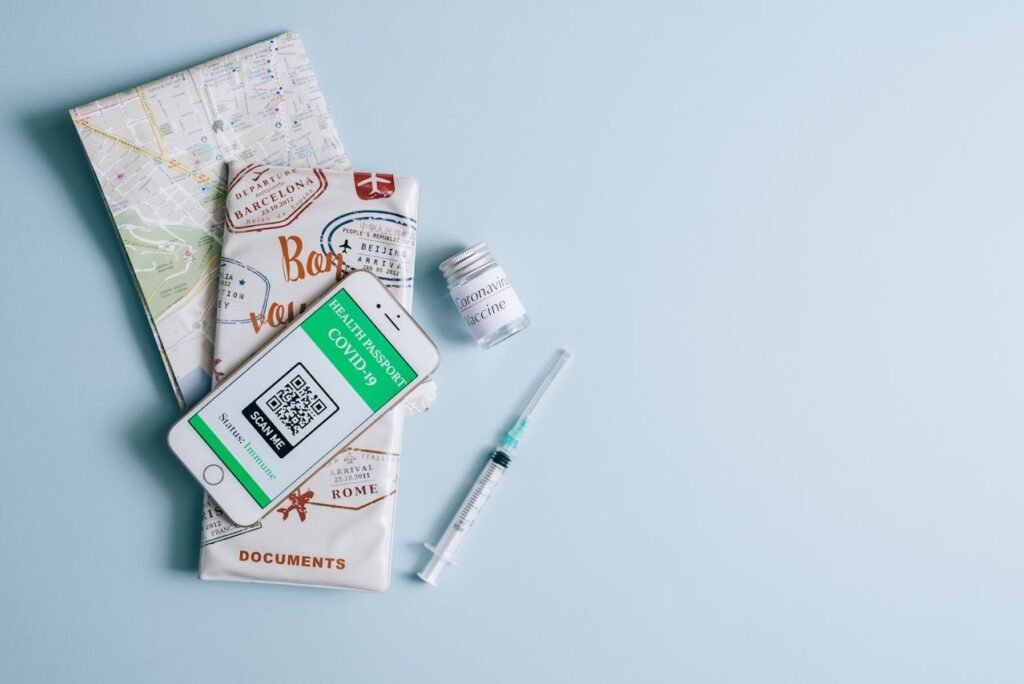
Polio Boosters and Travel Health
Travel is the primary reason adults in the UK seek a polio booster. If you are planning a trip to high-risk areas, updating your immunisation status is essential. Countries in parts of Asia and Africa still report active poliovirus transmission.
Planning is vital when organising travel vaccinations for India or Pakistan. These regions may have specific entry requirements regarding polio documentation. You should consult a health professional at least eight weeks before departure.
Similar precautions apply when considering travel vaccines for Vietnam and neighbouring countries. While polio risk varies, ensuring your boosters are current is a standard travel recommendation. Refer to Travel Health Pro for the latest country-specific alerts.
Global travel hubs also have varying requirements. Even travellers looking at travel vaccinations for Bali from australia or the UK must assess regional risks. Comprehensive protection ensures you do not inadvertently carry the virus home.
Comparing Polio to Other Travel Vaccines
Travel clinics often administer multiple vaccines during a single appointment. It is helpful to distinguish polio reactions from others you might receive. For example, typhoid vaccine side effects oral vs injection differ significantly in their gastrointestinal impact.
Some vaccines carry a heavier side effect profile than the polio booster. Travellers often find yellow fever vaccine side effects include more noticeable body aches. Understanding these differences helps you identify which jab is causing which symptom.
If you are receiving a combination booster, you are also receiving protection against Hepatitis A. It is worth noting that hep a vaccine side effects in adults are generally mild. They typically mirror the soreness seen with the polio jab.
Costs and Logistics of Adult Vaccination
The NHS provides polio boosters for free if you are eligible or at risk. However, for travel purposes, you may sometimes need to visit a private provider. It is wise to research travel clinic vaccinations cost before booking your appointment.
Prices can vary significantly between high street pharmacies and specialist clinics. Some providers offer package deals for multiple travel jabs. Always ask for a breakdown of fees during your consultation.
Availability of appointments can also fluctuate based on demand. The GOV.UK Green Book provides detailed protocols on vaccine administration. This ensures standardised care regardless of where you receive your injection.
Co-administration with Other Adult Vaccines
Adults often update several immunisations simultaneously, especially as they age. If you are catching up on missed childhood jabs, you might research measles vaccine for adults side effects. It is generally safe to receive the polio booster alongside the MMR vaccine.
Older adults should also be aware of respiratory vaccine schedules. If you are reviewing pneumococcal vaccine side effects in elderly patients, discuss timing with your GP. Simultaneous administration is common but can increase temporary fatigue.
The Tdap vaccine is another common adult booster. The tdap vaccine side effects in adults are virtually identical to the polio booster because they share components. Your nurse will confirm which specific brand you are receiving.
Shingles is another priority for the older demographic. You may wish to review a shingles vaccine side effects list if you are eligible. Be prepared for a sore arm if you get both injections on the same day.
Vaccination Comparison Guide
The following table compares the polio booster with other common adult vaccinations to help you gauge potential reactions.
| Vaccine Type | Primary Reaction | Systemic Effects | Frequency |
|---|---|---|---|
| Polio (IPV/Revaxis) | Mild arm soreness | Low fever, rare fatigue | Very Common |
| Tetanus (Td/Tdap) | Redness, swelling | Body aches, mild fever | Common |
| Typhoid (Injection) | Local pain at site | Headache, malaise | Common |
| Yellow Fever | Mild soreness | Muscle pain, headache | Common |
| Hepatitis A | Hardness at site | Loss of appetite (rare) | Rare |
Frequently Asked Questions
How long does the polio booster protection last?
A polio booster typically provides protection for ten years. If you are travelling to a high-risk area after this period, you will need another dose. Check your records on the NHS App to see when you were last immunised.
Can I get the polio vaccine if I am pregnant?
Yes, the inactivated polio vaccine is considered safe for use during pregnancy. It is recommended if you must travel to an area where polio is active. Always consult the Royal College of Obstetricians and Gynaecologists guidelines or your GP first.
What should I do if I have a severe reaction?
Severe reactions are incredibly rare but require immediate attention. If you experience difficulty breathing or swelling of the face, call 999 immediately. You can report significant side effects via the Yellow Card Scheme.
Is the polio vaccine a live virus?
The IPV used in the UK is not a live vaccine. It contains an inactivated virus that cannot multiply in your body. This makes it safe for people with compromised immune systems.
Does the injection hurt more than a flu jab?
Most adults report that the pain is similar to or less than a flu jab. The needle used is very fine and the volume of liquid is small. Any discomfort usually fades within a day.
The Bottom Line
Recognising polio vaccine side effects in adults is straightforward because they are usually mild. The vast majority of people experience nothing more than a sore arm. This minor inconvenience is a small price to pay for protection against a debilitating disease.
Whether you are seeking travel vaccinations for India or simply updating your records, the process is safe. Always consult a healthcare professional to tailor the schedule to your needs. Staying up to date ensures your health and the health of the global community.
Information regarding vaccine safety is constantly updated by global bodies. Organisations like the World Health Organization provide crucial data on eradication efforts. Staying informed empowers you to make the best health decisions.
If you have concerns about co-administration with other jabs like the shingles vaccine side effects list, speak to your pharmacist. They can provide a personalised timeline for your injections. Your health is the priority, and vaccines are a vital tool in maintaining it.
Disclaimer: This article is for informational purposes only and does not constitute medical advice. Always consult a qualified healthcare professional for medical concerns.