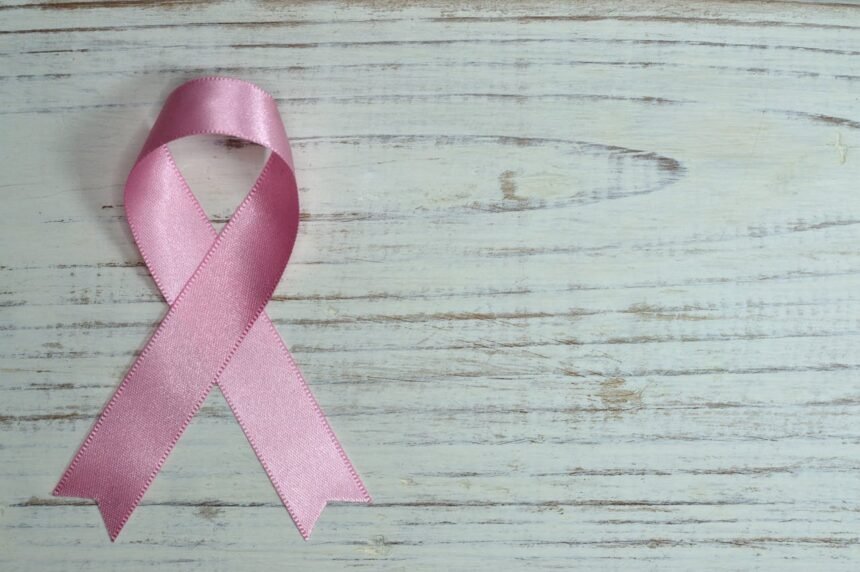
Cancer remains one of the leading causes of death worldwide, with approximately 10 million deaths annually according to the World Health Organization. In the United Kingdom, around 375,000 people are diagnosed with cancer each year, as reported by Cancer Research UK. However, research indicates that up to 40% of cancers are preventable through lifestyle modifications and early detection strategies. Understanding cancer prevention empowers individuals to make informed choices that significantly reduce their risk.
Understanding Cancer Development
Cancer occurs when normal cells undergo genetic changes that cause them to grow and divide uncontrollably. The National Cancer Institute describes cancer as a collection of related diseases that can affect virtually any part of the body. Understanding how cancer develops helps explain why prevention strategies are so effective.
The Cancer Process:
Initiation:
Normal cells experience DNA damage from various factors including carcinogens, radiation, or inherited genetic mutations.
Promotion:
Damaged cells begin to multiply more rapidly than normal, forming clusters of abnormal cells.
Progression:
These abnormal cells develop the ability to invade surrounding tissues and potentially spread to other parts of the body (metastasis).
Risk Factors:
Modifiable Risk Factors:
- Tobacco use
- Alcohol consumption
- Diet and nutrition
- Physical activity levels
- Body weight
- Sun exposure
- Infectious agents
- Environmental exposures
Non-Modifiable Risk Factors:
- Age
- Gender
- Genetic predisposition
- Family history
- Ethnicity
The World Cancer Research Fund emphasises that focusing on modifiable risk factors provides the greatest opportunity for cancer prevention.
Tobacco Cessation: The Single Most Important Prevention Strategy
Tobacco use is the leading preventable cause of cancer worldwide, responsible for approximately 22% of cancer deaths. The NHS Stop Smoking Service provides comprehensive support for individuals seeking to quit tobacco use.
Tobacco-Related Cancers:
- Lung cancer: 85% of cases linked to smoking
- Bladder cancer: Risk increased 3-fold in smokers
- Cervical cancer: Doubles the risk in women
- Kidney cancer: 30% of cases attributed to smoking
- Pancreatic cancer: Risk increased 2-3 fold
- Head and neck cancers: Significantly increased risk
- Oesophageal cancer: Risk increased 2-4 fold
- Stomach cancer: Moderate increase in risk
Benefits of Quitting:
Immediate Benefits (Within hours/days):
- Improved circulation and lung function
- Reduced carbon monoxide levels
- Enhanced taste and smell
- Decreased infection risk
Short-term Benefits (Weeks to months):
- Improved respiratory symptoms
- Increased energy levels
- Better wound healing
- Reduced heart disease risk
Long-term Benefits (Years):
- 5 years: Stroke risk reduces to that of non-smokers
- 10 years: Lung cancer risk reduced by 50%
- 15 years: Heart disease risk equals that of non-smokers
Cessation Strategies:
The Royal College of Physicians recommends comprehensive approaches to smoking cessation:
Behavioural Support:
- Individual or group counselling
- Telephone quitlines
- Online support programmes
- Mobile applications for tracking progress
Pharmacological Aids:
- Nicotine Replacement Therapy: Patches, gum, lozenges, inhalers
- Varenicline: Prescription medication reducing nicotine cravings
- Bupropion: Antidepressant with anti-smoking properties
Alternative Approaches:
- Acupuncture (limited evidence)
- Hypnotherapy (some supportive evidence)
- E-cigarettes (as harm reduction tool, with medical supervision)
Nutrition and Diet: Fuelling Cancer Prevention
Diet plays a crucial role in cancer prevention, with research suggesting that poor nutrition contributes to approximately 20% of cancer cases. The World Cancer Research Fund provides evidence-based dietary recommendations for cancer prevention.
Cancer-Protective Foods:
Fruits and Vegetables:
Aim for at least 5 portions daily, with emphasis on variety:
- Cruciferous vegetables: Broccoli, cauliflower, Brussels sprouts, kale
- Berries: High in antioxidants and phytochemicals
- Citrus fruits: Rich in vitamin C and flavonoids
- Leafy greens: Spinach, rocket, watercress
- Tomatoes: Contain lycopene, particularly when cooked
Whole Grains:
Replace refined grains with whole grain alternatives:
- Brown rice, quinoa, oats
- Whole wheat bread and pasta
- Barley, bulgur wheat
- High fibre content supports digestive health
Legumes and Pulses:
Excellent sources of protein, fibre, and phytochemicals:
- Beans, lentils, chickpeas
- Regular consumption linked to reduced colorectal cancer risk
- Sustainable protein alternatives to red meat
Healthy Fats:
Focus on unsaturated fats while limiting saturated fats:
- Omega-3 fatty acids: Oily fish, walnuts, flaxseeds
- Olive oil: Extra virgin for cooking and dressings
- Nuts and seeds: Almonds, sunflower seeds, chia seeds
- Avocados: Rich in monounsaturated fats
Foods to Limit or Avoid:
Processed Meats:
The International Agency for Research on Cancer classifies processed meats as Group 1 carcinogens:
- Bacon, sausages, ham
- Hot dogs, salami, deli meats
- Strongly linked to colorectal cancer
- Limit consumption to special occasions only
Red Meat:
Classified as Group 2A (probably carcinogenic):
- Limit to 500g cooked weight per week
- Choose lean cuts when consuming
- Avoid charring or burning during cooking
- Consider plant-based alternatives
Ultra-processed Foods:
Highly processed foods linked to increased cancer risk:
- Sugary drinks and snacks
- Ready meals and convenience foods
- Foods high in trans fats
- Excessive added sugars and preservatives
Alcohol:
No safe level for cancer prevention:
- Linked to liver, breast, colorectal, and other cancers
- Follow UK Chief Medical Officers’ guidelines (maximum 14 units weekly)
- Include several alcohol-free days per week
- Consider complete abstinence for optimal cancer prevention
Nutritional Supplements:
Evidence-Based Recommendations:
- Vitamin D: May reduce risk of some cancers, especially in deficient populations
- Folate: Important for DNA synthesis and repair
- Calcium: May protect against colorectal cancer when combined with vitamin D
Supplements to Avoid:
- High-dose beta-carotene (increased lung cancer risk in smokers)
- Excessive vitamin E supplementation
- Unregulated herbal supplements
The British Dietetic Association emphasises obtaining nutrients from whole foods rather than supplements whenever possible.
Physical Activity: Moving Towards Cancer Prevention
Regular physical activity significantly reduces cancer risk through multiple mechanisms including immune system enhancement, hormone regulation, and maintaining healthy body weight. The NHS recommends at least 150 minutes of moderate-intensity activity weekly.
Cancer Prevention Benefits:
Directly Protected Cancers:
- Colorectal cancer: 20-25% risk reduction
- Breast cancer: 10-20% risk reduction in post-menopausal women
- Endometrial cancer: 20-30% risk reduction
- Kidney cancer: 10-15% risk reduction
- Bladder cancer: 10-15% risk reduction
- Oesophageal cancer: 15-20% risk reduction
Mechanisms of Protection:
- Enhanced immune system function
- Improved insulin sensitivity
- Reduced chronic inflammation
- Better hormone regulation
- Maintenance of healthy body weight
- Improved digestive health
Recommended Activity Guidelines:
Aerobic Exercise:
- 150-300 minutes moderate-intensity weekly, or
- 75-150 minutes vigorous-intensity weekly
- Activities: Brisk walking, swimming, cycling, dancing
Muscle-Strengthening Activities:
- At least 2 days per week
- All major muscle groups
- Activities: Weight lifting, resistance bands, bodyweight exercises
Flexibility and Balance:
- Regular stretching and balance exercises
- Yoga, tai chi, Pilates
- Important for overall fitness and injury prevention
Getting Started Safely:
For Beginners:
- Start with 10-minute activity sessions
- Gradually increase duration and intensity
- Choose enjoyable activities for long-term adherence
- Consider professional guidance for exercise prescription
Overcoming Barriers:
- Time constraints: Short, frequent sessions throughout the day
- Physical limitations: Adapt activities to individual capabilities
- Motivation: Find enjoyable activities, exercise with others
- Weather: Indoor alternatives and seasonal planning
Weight Management: Maintaining a Healthy Body Composition
Obesity is linked to at least 13 different types of cancer, making weight management a crucial prevention strategy. The World Cancer Research Fund recommends maintaining a healthy weight throughout life.
Obesity-Related Cancers:
- Breast cancer (post-menopausal)
- Colorectal cancer
- Endometrial cancer
- Kidney cancer
- Liver cancer
- Oesophageal adenocarcinoma
- Pancreatic cancer
- Stomach cancer
- Gallbladder cancer
- Ovarian cancer
- Thyroid cancer
- Multiple myeloma
- Meningioma
Mechanisms Linking Obesity to Cancer:
Hormonal Changes:
- Increased insulin and insulin-like growth factor levels
- Elevated oestrogen production in fat tissue
- Altered adipokine production
- Chronic inflammation
Immune System Effects:
- Reduced immune surveillance
- Increased oxidative stress
- Altered cellular metabolism
- Promotion of angiogenesis
Healthy Weight Maintenance:
Realistic Goal Setting:
- Aim for gradual weight loss (0.5-1kg per week)
- Focus on sustainable lifestyle changes
- Celebrate non-scale victories
- Seek professional support when needed
Evidence-Based Strategies:
- Caloric awareness without obsessive counting
- Portion control using visual cues
- Regular meal timing
- Mindful eating practices
- Stress management to prevent emotional eating

Sun Protection: Preventing Skin Cancer
Skin cancer is the most common cancer in the UK, with over 100,000 cases diagnosed annually according to Cancer Research UK. Most skin cancers are preventable through appropriate sun protection measures.
Types of Skin Cancer:
Melanoma:
- Most serious form of skin cancer
- Can spread rapidly to other organs
- Often curable if detected early
- Risk factors include sun exposure, tanning beds, fair skin
Non-Melanoma Skin Cancers:
- Basal Cell Carcinoma: Most common, rarely spreads
- Squamous Cell Carcinoma: Can spread if untreated
- Generally easier to treat than melanoma
Sun Protection Strategies:
Sunscreen Use:
- SPF 30 or higher for daily use
- SPF 50+ for prolonged outdoor activities
- Broad-spectrum protection (UVA and UVB)
- Reapply every 2 hours and after swimming/sweating
Protective Clothing:
- Long-sleeved shirts and long trousers
- Wide-brimmed hats (minimum 10cm brim)
- UV-protective clothing with UPF rating
- Sunglasses with UV protection
Seeking Shade:
- Avoid peak UV hours (11am-3pm in UK)
- Use umbrellas, trees, or built structures for shade
- Be aware of reflective surfaces (water, sand, snow)
Avoiding Tanning Beds:
The British Association of Dermatologists strongly advises against tanning bed use:
- Increases melanoma risk by 75% when used before age 30
- No safe level of artificial UV exposure
- Consider spray tans or self-tanning products as alternatives
Infection Prevention: Reducing Cancer-Causing Pathogens
Approximately 15-20% of cancers worldwide are caused by infectious agents, including viruses, bacteria, and parasites. The NHS vaccination programme helps prevent several cancer-causing infections.
Major Cancer-Causing Infections:
Human Papillomavirus (HPV):
- Causes cervical, anal, and other genital cancers
- Also linked to head and neck cancers
- Prevention: HPV vaccination (offered to all young people)
- Screening: Regular cervical screening for women
Hepatitis B and C:
- Major causes of liver cancer
- Prevention: Hepatitis B vaccination, safe practices
- Treatment: Effective treatments available for Hepatitis C
Helicobacter pylori:
- Bacterial infection causing stomach cancer
- Prevention: Good hygiene, avoiding contaminated food/water
- Treatment: Antibiotic therapy when detected
Epstein-Barr Virus (EBV):
- Linked to certain lymphomas and nasopharyngeal cancer
- Prevention: Avoiding close contact with infected individuals
Infection Prevention Strategies:
Vaccination:
- Follow NHS vaccination schedules
- Travel vaccinations when appropriate
- Consider additional vaccines for high-risk individuals
Safe Practices:
- Practice safe sex to prevent sexually transmitted infections
- Avoid sharing needles or personal hygiene items
- Maintain good hand hygiene
- Ensure food safety and water quality
Environmental and Occupational Cancer Prevention
Environmental and occupational exposures contribute to approximately 5-10% of cancers. The Health and Safety Executive provides guidelines for reducing workplace cancer risks.
Common Environmental Carcinogens:
Air Pollution:
- Particulate matter linked to lung cancer
- Diesel exhaust classified as carcinogenic
- Protection: Limit exposure during high pollution days
- Support clean air initiatives
Asbestos:
- Causes mesothelioma and lung cancer
- Still present in older buildings
- Protection: Professional removal, avoid disturbing asbestos-containing materials
Radon:
- Radioactive gas causing lung cancer
- Higher concentrations in certain geographical areas
- Protection: Home radon testing and mitigation if necessary
Chemical Exposures:
- Industrial chemicals and pesticides
- Household cleaning products
- Protection: Use protective equipment, choose safer alternatives
Occupational Cancer Prevention:
High-Risk Industries:
- Construction and building trades
- Agriculture and farming
- Healthcare workers
- Manufacturing industries
- Mining and quarrying
Protection Strategies:
- Follow workplace safety protocols
- Use appropriate personal protective equipment
- Regular health surveillance
- Proper ventilation in work areas
- Training on safe handling procedures
Early Detection and Screening
While not technically prevention, early detection significantly improves cancer outcomes and can identify pre-cancerous changes. The NHS Cancer Screening Programmes offer several evidence-based screening options.
NHS Screening Programmes:
Breast Cancer Screening:
- Mammography every 3 years for women aged 50-70
- Extended to age 47-73 in some areas
- Self-examination awareness important
Cervical Cancer Screening:
- Smear tests every 3 years (ages 25-49)
- Every 5 years (ages 50-64)
- HPV testing primary screening method
Bowel Cancer Screening:
- Faecal immunochemical test (FIT) every 2 years from age 60
- Colonoscopy offered if abnormal results
- Flexible sigmoidoscopy offered at age 55 in some areas
Warning Signs Requiring Medical Attention:
General Warning Signs:
- Unexplained weight loss
- Persistent fatigue
- Changes in bowel or bladder habits
- Unusual bleeding or discharge
- Persistent cough or hoarseness
- Changes in moles or skin lesions
- Difficulty swallowing
- Persistent pain without obvious cause
The NHS emphasises that early investigation of concerning symptoms leads to better outcomes.

Special Considerations for High-Risk Populations
Certain individuals face elevated cancer risks requiring tailored prevention strategies:
Genetic Predisposition:
Hereditary Cancer Syndromes:
- BRCA1/BRCA2 mutations (breast/ovarian cancer)
- Lynch syndrome (colorectal cancer)
- Li-Fraumeni syndrome (multiple cancers)
- Management: Genetic counselling, enhanced screening, prophylactic measures
Family History:
- Increased screening frequency
- Earlier screening initiation
- Lifestyle modifications particularly important
- Regular consultation with healthcare providers
Age-Related Considerations:
Younger Adults:
- Focus on lifestyle establishment
- HPV vaccination
- Sun protection habits
- Avoiding tobacco initiation
Older Adults:
- Participation in screening programmes
- Management of age-related health conditions
- Medication interactions consideration
- Quality of life balance in prevention decisions
Integrating Cancer Prevention into Daily Life
Successful cancer prevention requires incorporating evidence-based strategies into routine daily activities:
Daily Habits:
Morning Routine:
- Healthy breakfast with fruits and whole grains
- Sunscreen application as part of daily skincare
- Planning physical activity for the day
Throughout the Day:
- Choosing healthy snacks and meals
- Taking movement breaks from sedentary work
- Avoiding tobacco and limiting alcohol
- Stress management practices
Evening Routine:
- Preparing nutritious meals
- Engaging in physical activity or relaxation
- Adequate sleep preparation
- Limiting screen time before bed
Long-term Planning:
Annual Health Reviews:
- Participation in screening programmes
- Health risk assessment with healthcare provider
- Vaccination status review
- Lifestyle goal setting and evaluation
Life Transition Planning:
- Career change considerations for occupational risks
- Family planning and genetic counselling
- Retirement health planning
- Age-appropriate prevention strategy updates
Support and Resources
Cancer prevention benefits from access to reliable information and support:
Professional Resources:
- General Practitioners: Risk assessment and screening coordination
- Dietitians: Personalised nutrition guidance
- Exercise Professionals: Safe activity programme design
- Genetic Counsellors: Hereditary risk assessment
Patient Organisations:
- Cancer Research UK: 0808 800 4040
- Macmillan Cancer Support: Comprehensive cancer information
- World Cancer Research Fund: Evidence-based prevention guidelines
- NHS Cancer Screening: Information about national programmes
Online Resources:
- NHS cancer prevention information
- Evidence-based lifestyle guidance
- Screening programme details
- Support group directories
The Future of Cancer Prevention
Cancer prevention continues evolving with advancing scientific understanding:
Emerging Areas:
- Precision Prevention: Tailored strategies based on genetic profiles
- Microbiome Research: Understanding gut bacteria’s role in cancer
- Environmental Health: Improved identification and reduction of carcinogens
- Digital Health: Apps and devices supporting prevention behaviours
Research Priorities:
- Long-term studies of prevention interventions
- Cost-effectiveness of prevention strategies
- Population-level prevention programme development
- Understanding cancer disparities and addressing inequities
Conclusion
Cancer prevention represents one of the most powerful tools available for reducing the global burden of this devastating disease. Through evidence-based lifestyle modifications including tobacco avoidance, healthy eating, regular physical activity, weight management, sun protection, and participation in screening programmes, individuals can significantly reduce their cancer risk.
The key message is that cancer prevention is largely within individual control through daily choices and long-term habits. While genetic factors and environmental exposures play roles in cancer development, the modifiable risk factors offer tremendous opportunities for prevention.
Resources from organisations like Cancer Research UK, the World Cancer Research Fund, and the NHS provide evidence-based guidance for implementing effective cancer prevention strategies.
Remember, it’s never too early or too late to adopt cancer-preventive behaviours. Small, consistent changes in lifestyle choices can yield significant benefits for cancer risk reduction and overall health improvement. Prevention truly is the best medicine when it comes to cancer.