Chronic kidney disease (CKD) affects approximately 3.7 million people in the United Kingdom, with many unaware they have the condition, according to Kidney Care UK. The NHS estimates that CKD costs the health service over £1.4 billion annually, making it one of the most expensive long-term conditions to manage. Early detection and appropriate management can significantly slow disease progression and prevent complications, emphasising the importance of understanding this silent but serious condition.
Understanding Chronic Kidney Disease
Chronic kidney disease is the gradual loss of kidney function over time, typically developing over months or years. The National Kidney Foundation describes CKD as kidney damage or decreased kidney function for three or more months, regardless of the cause. Unlike acute kidney injury, which develops rapidly, CKD progresses slowly and often without noticeable symptoms until advanced stages.
Kidney Function and Structure:
Normal Kidney Function:
Healthy kidneys perform several vital functions:
- Filter waste products and excess fluid from blood
- Maintain electrolyte balance (sodium, potassium, phosphorus)
- Produce hormones regulating blood pressure and red blood cell production
- Convert vitamin D to its active form for bone health
- Maintain acid-base balance in the body
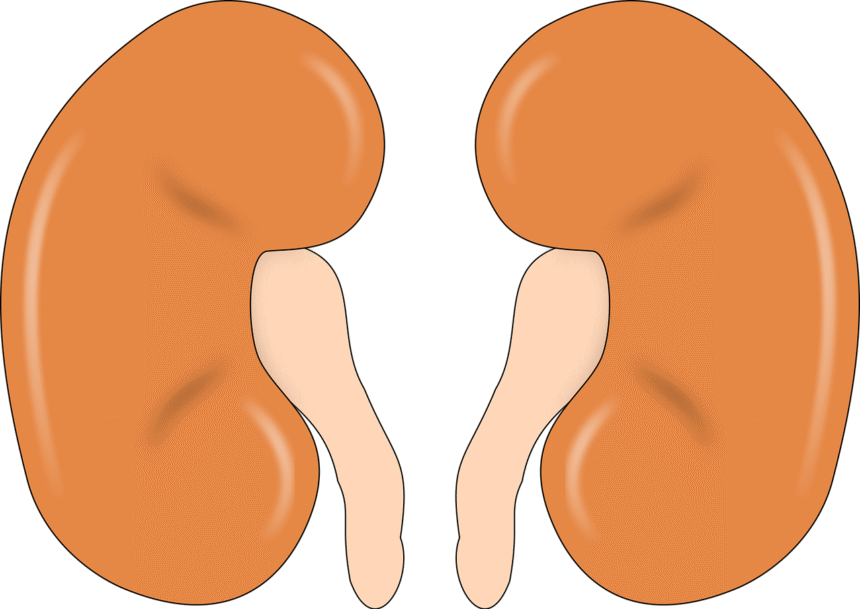
Kidney Anatomy:
Each kidney contains approximately one million nephrons:
- Glomeruli: Tiny filters that remove waste from blood
- Tubules: Reabsorb needed substances and concentrate urine
- Blood vessels: Supply kidneys and remove filtered blood
- Collecting ducts: Transport urine to the bladder
CKD Stages:
The Kidney Disease: Improving Global Outcomes (KDIGO) guidelines classify CKD into five stages based on estimated glomerular filtration rate (eGFR):
Stage 1 (eGFR ≥90 mL/min/1.73m²):
- Normal or high kidney function with kidney damage
- Usually no symptoms present
- May have protein in urine or structural abnormalities
- Focus on treating underlying conditions
Stage 2 (eGFR 60-89 mL/min/1.73m²):
- Mildly decreased kidney function with kidney damage
- Symptoms rarely present
- May have elevated creatinine or proteinuria
- Continue monitoring and treating risk factors
Stage 3a (eGFR 45-59 mL/min/1.73m²):
- Moderately decreased kidney function
- May begin experiencing symptoms
- Increased risk of cardiovascular disease
- Consider referral to nephrologist
Stage 3b (eGFR 30-44 mL/min/1.73m²):
- Moderately to severely decreased function
- Symptoms more common
- Complications may develop
- Nephrology referral recommended
Stage 4 (eGFR 15-29 mL/min/1.73m²):
- Severely decreased kidney function
- Symptoms usually present
- Complications common
- Prepare for renal replacement therapy
Stage 5 (eGFR <15 mL/min/1.73m²):
- Kidney failure requiring dialysis or transplantation
- Significant symptoms and complications
- Life-threatening without treatment
Causes and Risk Factors
CKD can result from various conditions that damage the kidneys over time. The Renal Association identifies several primary causes and risk factors.
Primary Causes:
Diabetes Mellitus:
The leading cause of CKD in developed countries:
- Affects approximately 40% of CKD patients
- High blood glucose damages kidney blood vessels
- Diabetic nephropathy develops gradually over years
- Better glucose control reduces CKD risk
Hypertension:
The second most common cause:
- High blood pressure damages kidney blood vessels
- Can be both cause and consequence of CKD
- Affects approximately 25% of CKD patients
- Blood pressure control crucial for prevention
Glomerulonephritis:
Inflammation of kidney filtering units:
- Can be acute or chronic
- May follow infections or autoimmune conditions
- Various types with different prognoses
- Sometimes requires immunosuppressive treatment
Polycystic Kidney Disease:
Inherited condition causing kidney cysts:
- Autosomal dominant form most common
- Cysts gradually replace normal kidney tissue
- Often runs in families
- May require genetic counselling
Other Causes:
- Autoimmune diseases (lupus, vasculitis)
- Urinary tract abnormalities
- Prolonged obstruction of urinary tract
- Certain medications (NSAIDs, lithium)
- Recurrent kidney infections
Risk Factors:
Non-Modifiable Risk Factors:
- Age (risk increases after 60)
- Family history of kidney disease
- Ethnicity (higher risk in South Asian, African, Caribbean populations)
- Gender (slightly higher risk in men)
Modifiable Risk Factors:
- Diabetes and poor glucose control
- High blood pressure
- Cardiovascular disease
- Smoking
- Obesity
- High cholesterol
- Excessive use of NSAIDs
Symptoms and Complications
CKD is often called a “silent disease” because symptoms typically don’t appear until kidney function is significantly reduced. The British Kidney Patient Association emphasises the importance of regular screening for early detection.
Early Stage Symptoms:
Often No Symptoms:
- Stages 1-3 usually asymptomatic
- Detected through blood and urine tests
- May have subtle changes in urination
- Fatigue may be present but attributed to other causes
Advanced Stage Symptoms:
Fluid Retention:
- Swelling in legs, ankles, feet, face
- Shortness of breath from fluid in lungs
- Weight gain from excess fluid
- High blood pressure
Urinary Changes:
- Changes in urination frequency
- Foamy urine (indicating protein)
- Blood in urine
- Difficulty urinating
Systemic Symptoms:
- Persistent fatigue and weakness
- Loss of appetite and nausea
- Muscle cramps and restless legs
- Sleep problems
- Mental confusion or difficulty concentrating
Complications:
Cardiovascular Disease:
- Leading cause of death in CKD patients
- Risk begins early in CKD progression
- Includes heart attack, stroke, heart failure
- Requires aggressive risk factor management
Bone Disease:
- Altered calcium and phosphorus metabolism
- Secondary hyperparathyroidism
- Increased fracture risk
- May require dietary restrictions and medications
Anaemia:
- Reduced erythropoietin production
- Causes fatigue and weakness
- May require iron supplementation or erythropoiesis-stimulating agents
- Usually develops in stages 3-4
Mineral and Electrolyte Imbalances:
- Potassium retention (hyperkalaemia)
- Phosphorus retention
- Acidosis
- Can be life-threatening if severe
Diagnosis and Monitoring
Early detection of CKD is crucial for preventing progression and complications. The NICE guidelines provide clear recommendations for CKD screening and diagnosis.
Diagnostic Tests:
Blood Tests:
- Serum creatinine: Waste product filtered by kidneys
- eGFR: Calculated measure of kidney function
- Blood urea nitrogen (BUN): Another waste product measure
- Electrolytes: Sodium, potassium, chloride, bicarbonate
Urine Tests:
- Urinalysis: Detects protein, blood, white cells
- Albumin-to-creatinine ratio (ACR): Measures protein leakage
- 24-hour urine collection: More accurate protein measurement
- Microscopy: Examines urine sediment for abnormalities
Imaging Studies:
- Ultrasound: Assesses kidney size and structure
- CT scan: Detailed kidney anatomy
- MRI: Soft tissue detail without radiation
- Nuclear medicine scans: Functional assessment
Screening Recommendations:
High-Risk Populations:
Annual screening recommended for:
- Diabetes mellitus
- Hypertension
- Cardiovascular disease
- Family history of kidney disease
- Age over 60
- Systemic diseases affecting kidneys
General Population:
- Include kidney function tests in routine health checks
- Opportunistic screening during healthcare visits
- Consider screening every 3-5 years for moderate risk individuals
Treatment and Management
CKD management focuses on slowing progression, preventing complications, and preparing for renal replacement therapy when necessary. The Renal Association provides comprehensive management guidelines.
Blood Pressure Control:
Target Blood Pressure:
- Generally <140/90 mmHg for most CKD patients
- <130/80 mmHg for patients with proteinuria
- Individual targets based on age and comorbidities
Preferred Medications:
- ACE inhibitors: First-line for patients with proteinuria
- Angiotensin receptor blockers (ARBs): Alternative to ACE inhibitors
- Calcium channel blockers: Often needed as second-line therapy
- Diuretics: Help manage fluid retention
Diabetes Management:
Glucose Control:
- Target HbA1c generally <53 mmol/mol (7.0%)
- Individual targets based on life expectancy and comorbidities
- Regular monitoring and medication adjustment
- Lifestyle modifications remain important
Diabetes Medications:
- Metformin: Use with caution as eGFR declines
- SGLT-2 inhibitors: May provide kidney protection
- GLP-1 receptor agonists: Potential cardiovascular benefits
- Insulin: Often required as kidney function declines
Lifestyle Modifications:
Dietary Management:
- Protein restriction: May benefit some patients (consult dietitian)
- Sodium limitation: <2.3g daily for blood pressure control
- Potassium awareness: May need restriction in advanced CKD
- Phosphorus control: Important in stages 4-5
Physical Activity:
- Regular moderate exercise as tolerated
- Helps with blood pressure and glucose control
- May improve quality of life
- Adjust intensity based on symptoms and energy levels
Smoking Cessation:
- Significantly slows CKD progression
- Reduces cardiovascular risk
- Support services available through NHS
- Combination of behavioural and pharmacological interventions
Complication Management:
Anaemia Treatment:
- Iron supplementation if deficient
- Erythropoiesis-stimulating agents when appropriate
- Target haemoglobin 100-120 g/L
- Regular monitoring required
Bone Disease Prevention:
- Vitamin D supplementation
- Phosphate binders if elevated phosphorus
- Calcium supplementation (careful monitoring needed)
- Parathyroid hormone control
Cardiovascular Risk Reduction:
- Statin therapy for cholesterol management
- Aspirin for secondary prevention
- Aggressive blood pressure control
- Lifestyle modifications

Advanced CKD and Renal Replacement Therapy
As CKD progresses to stage 5, renal replacement therapy becomes necessary for survival.
Dialysis Options:
Haemodialysis:
- Blood filtered through external machine
- Usually 3 times weekly, 4 hours per session
- Requires vascular access (fistula, graft, or catheter)
- Can be performed at home or in centre
Peritoneal Dialysis:
- Uses peritoneum as natural filter
- Performed daily at home
- Continuous ambulatory or automated peritoneal dialysis
- Requires catheter insertion
Kidney Transplantation:
Living Donor Transplant:
- Best long-term outcomes
- Can be performed pre-emptively
- Requires compatible donor
- Family members often suitable donors
Deceased Donor Transplant:
- Requires placement on waiting list
- Longer waiting times
- Blood group and tissue matching important
- Regular monitoring while waiting
Conservative Management:
Palliative Care:
- Appropriate for some elderly or frail patients
- Focus on symptom management and quality of life
- Advance care planning important
- Family support and education crucial
Living with CKD
Self-Management:
- Regular medication adherence
- Blood pressure and weight monitoring
- Dietary compliance
- Regular medical appointments
- Symptom recognition and reporting
Support Services:
- Kidney Care UK: 01420 541424
- British Kidney Patient Association: Patient support and advocacy
- National Kidney Federation: Information and support services
- Local kidney patient associations: Peer support and practical advice
Family Impact:
- Education about kidney disease
- Potential living donation consideration
- Support during treatment decisions
- Understanding of prognosis and planning
Prevention Strategies
Primary Prevention:
- Diabetes prevention and management
- Blood pressure control
- Maintain healthy weight
- Regular exercise
- Avoid nephrotoxic medications
- Stay adequately hydrated
Secondary Prevention:
- Regular screening for high-risk individuals
- Early treatment of detected abnormalities
- Aggressive management of risk factors
- Patient education and engagement
- Regular monitoring and follow-up
Conclusion
Chronic kidney disease represents a significant public health challenge, but early detection and appropriate management can dramatically improve outcomes. The key to successful CKD management lies in understanding risk factors, participating in appropriate screening, and working closely with healthcare professionals to implement comprehensive treatment plans.
Resources from organisations like Kidney Care UK and the NHS provide valuable information and support for individuals affected by kidney disease. Remember that CKD is often preventable, and even after diagnosis, appropriate management can slow progression and maintain quality of life for many years.