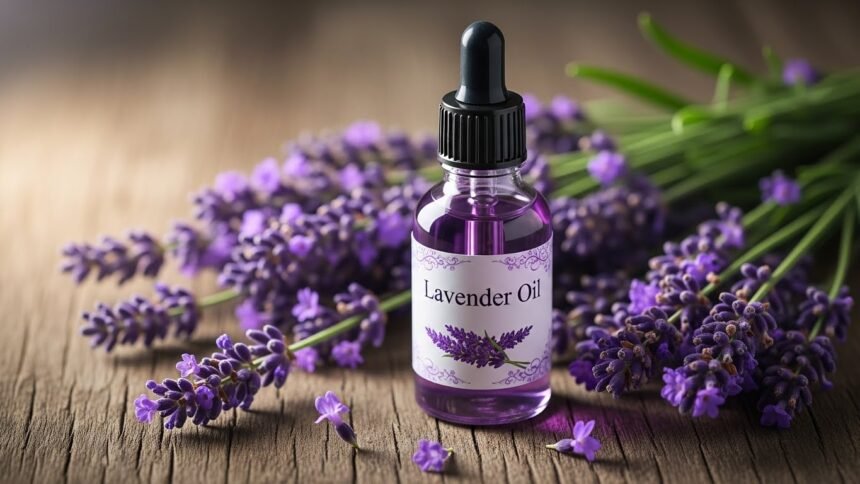
In an era where the pursuit of holistic well-being and integrated healthcare is gaining unprecedented momentum, professionals across diverse fields—from massage therapy to clinical wellness—are increasingly exploring the efficacy of natural remedies. Among these, topical lavender oil stands out as a time-honored botanical with remarkable therapeutic potential for both pain management and profound relaxation. This guide is tailored for the discerning professional, offering a comprehensive overview of how to effectively and knowledgeably integrate this powerful essential oil into practice, leveraging its natural properties to enhance client outcomes and expand your therapeutic toolkit. As interest in non-pharmacological interventions grows, understanding the nuanced applications of natural remedies like lavender oil becomes not just beneficial, but essential.
The Enduring Legacy of Lavender in Natural Remedies
The use of lavender ( Lavandula angustifolia ) stretches back millennia, woven into the fabric of human history across various civilizations. Its aromatic charm and therapeutic properties have secured its place as one of the most revered natural remedies in the botanical world.
A Historical Perspective
From the ancient Egyptians who used lavender for mummification and perfumery, to the Romans who incorporated it into their baths for its cleansing and soothing properties (the name “lavender” is derived from the Latin word “lavare,” meaning “to wash”), its utility has been consistently recognized. Medieval European monastic gardens cultivated lavender for its medicinal attributes, and it was a common component in traditional folk medicine for its antiseptic and calming effects. This rich history underscores a long-standing trust in its inherent power, paving the way for modern scientific investigation into its efficacy. Historical accounts detail its use for everything from treating headaches to soothing nervous disorders, cementing its status as a versatile plant in ancient natural remedies.
What Makes Lavender So Potent?
The therapeutic prowess of lavender oil is primarily attributed to its complex chemical composition, particularly the presence of compounds such as linalool and linalyl acetate. These primary constituents are readily absorbed through the skin when applied topically, interacting with physiological systems to produce their characteristic effects. Linalool, a monoterpene alcohol, is known for its anxiolytic and sedative properties, while linalyl acetate, an ester, contributes significantly to lavender’s calming and anti-inflammatory actions. Research into these compounds continues to uncover the intricate mechanisms by which lavender exerts its widespread benefits, making it a subject of ongoing scientific interest for its role in natural remedies. Understanding these molecular components is crucial for professionals who seek to recommend natural remedies with an evidence-based approach. For more detailed information on lavender’s chemical composition and its effects, the National Center for Complementary and Integrative Health offers valuable resources.
Unlocking Topical Lavender Oil’s Benefits for Pain Management
Pain is a complex, multifaceted experience, and finding effective, non-addictive solutions is a priority for many professionals and their clients. Topical lavender oil offers a promising avenue, leveraging its innate properties to alleviate various forms of discomfort.
Mechanisms of Action for Analgesia
Lavender oil’s efficacy in pain relief stems from several key mechanisms. Firstly, its well-documented anti-inflammatory properties help reduce swelling and tenderness at the site of application. This makes it particularly useful for conditions involving localized inflammation, such as muscle strains or minor joint pain. While internal remedies like a turmeric milk drink are excellent for systemic inflammation, topical lavender provides targeted relief. Secondly, studies suggest that linalool can modulate pain signals by interacting with neurotransmitter receptors, effectively diminishing the perception of pain. This neuromodulatory effect contributes to its analgesic capabilities, offering a gentler alternative to conventional analgesics. Furthermore, lavender’s inherent ability to induce muscle relaxation can ease tension-related pain, such as headaches or tight shoulders. This multifaceted approach positions lavender oil as a significant player in the realm of natural remedies for pain.
Professional Application Techniques for Pain Relief
For optimal pain relief, the method of application is critical. Lavender essential oil should always be diluted with a carrier oil (e.g., jojoba, almond, or fractionated coconut oil) to prevent skin irritation and enhance absorption. A typical professional dilution ranges from 2-5%.
- Targeted Massage: For localized pain, such as sore muscles or arthritic joints, a concentrated application with gentle massage can facilitate deeper penetration and stimulate circulation. For instance, addressing tension in the neck and shoulders can be greatly aided by a therapeutic massage incorporating diluted lavender oil, providing both muscular relief and a calming effect.
- Compresses: For acute injuries or areas of significant inflammation, a cold compress infused with diluted lavender oil can reduce swelling and numb the area. Conversely, a warm compress can aid in relaxing tight muscles and improving blood flow.
- Pulse Point Application: For headaches or generalized discomfort, applying a diluted blend to temples, wrists, or the back of the neck can provide systemic relief through transdermal absorption and inhalation. This method often works synergistically with other natural remedies for headache relief, like peppermint oil. For more information on safe dilution practices, refer to professional guidelines from organizations like the National Association for Holistic Aromatherapy (NAHA).
Harnessing Lavender for Profound Relaxation and Stress Reduction
In today’s fast-paced world, stress and anxiety are pervasive, impacting both physical and mental health. Lavender oil is renowned for its capacity to soothe the nervous system and promote a state of deep tranquility, making it a cornerstone among natural remedies for stress.
The Science of Serenity
The calming effects of lavender are not merely anecdotal; they are rooted in its influence on the central nervous system. Linalool and linalyl acetate have been shown to interact with GABA receptors, similar to some conventional anxiolytic medications, leading to a calming and sedative effect. This interaction helps to quiet an overactive nervous system, reducing symptoms of anxiety and promoting a sense of peace. Its aroma, when inhaled, sends signals to the limbic system of the brain, directly influencing mood and emotions. This direct pathway to the brain is why lavender can be so effective in quickly inducing relaxation, often compared to the calming ritual of sipping chamomile calm tea. Furthermore, lavender oil has been linked to improved sleep quality, assisting in the transition to sleep and promoting more restful nights by alleviating agitation and restlessness. This makes it a crucial component in natural remedies for sleep disorders.
Professional Strategies for Promoting Relaxation
Integrating topical lavender oil into professional practices can significantly enhance relaxation protocols.
- Aromatherapy Massage: A full-body massage using a lavender-infused carrier oil not only addresses muscular tension but also bathes the client in its calming aroma, promoting systemic relaxation. This comprehensive approach is particularly effective in spa settings or for clients experiencing generalized stress.
- Pre-Sleep Rituals: For clients struggling with insomnia or sleep disturbances, recommending a diluted lavender oil rub on the feet or abdomen before bed can significantly improve sleep onset and quality. The feet, with their numerous nerve endings, are excellent points for absorption.
- Client Comfort: In environments such as dental offices, therapy rooms, or during medical procedures, a discreet application of diluted lavender oil to a client’s pulse points or a diffuser nearby can help reduce pre-procedure anxiety, creating a more comforting atmosphere.
- Mindfulness and Meditation Aids: For those practicing mindfulness or meditation, a gentle application of lavender oil to the temples or wrists can deepen the relaxation experience, aiding focus and reducing external distractions. The effectiveness of lavender as an anxiolytic is supported by various studies, including some reviewed by institutions like Harvard Health Publishing.

Best Practices and Professional Considerations for Topical Use
While lavender oil is generally considered safe for topical use, adherence to professional best practices and safety protocols is paramount, especially when integrating it into client-facing services.
Sourcing and Quality Assurance
The efficacy and safety of lavender oil are directly linked to its quality. Professionals should insist on 100% pure, therapeutic-grade essential oil from reputable suppliers. Look for products that provide batch-specific testing (e.g., GC/MS reports) to verify purity and absence of adulterants. Organic sourcing further ensures the oil is free from pesticides and harmful chemicals. Understanding the nuances of essential oil quality is fundamental for any professional recommending natural remedies. The Environmental Working Group (EWG) provides useful insights into product safety and ingredient transparency.
Dilution Ratios and Carrier Oils
Appropriate dilution is critical for safety and effectiveness. Undiluted essential oils can cause skin irritation or sensitization.
- Standard Dilution: For most adult applications, a 2-5% dilution is recommended. This translates to roughly 12-30 drops of essential oil per ounce (30ml) of carrier oil.
- Sensitive Skin/Children: For individuals with sensitive skin, children, or elderly clients, a lower dilution (0.5-1%) is advisable.
- Carrier Oils: Excellent carrier oils include fractionated coconut oil (light, non-greasy), sweet almond oil (nourishing, good for massage), jojoba oil (mimics skin’s natural sebum), and grapeseed oil (light, easily absorbed).
Contraindications and Safety Protocols
Even the most gentle natural remedies require careful consideration of individual client profiles.
- Patch Testing: Always perform a patch test on a small area of skin (e.g., inner forearm) 24 hours prior to widespread application, especially for new clients or those with known sensitivities.
- Pregnancy and Lactation: While generally considered safe in low dilutions, always consult with a healthcare professional before using essential oils on pregnant or lactating clients.
- Children: Use very low dilutions (0.5-1%) and exercise caution, particularly with infants.
- Medical Conditions: Individuals with certain medical conditions, such as severe allergies, epilepsy, or hormone-sensitive cancers, should consult their physician before using essential oils.
- Drug Interactions: While rare with topical lavender, some essential oils can interact with medications. For example, essential oils with blood-thinning properties should be used with caution with anticoagulant medications. Always review a client’s medication list. For general safety information regarding essential oils, resources like the Mayo Clinic offer credible advice.
Integrating Lavender into a Broader Natural Remedies Toolkit
While lavender oil is exceptionally versatile, it is one star in a vast constellation of natural remedies. Professionals should understand its place within a broader holistic strategy, often complementing other natural interventions. The following table highlights how topical lavender oil compares and contrasts with other natural remedies commonly utilized for specific complaints, allowing for a well-rounded approach to client care.
| Natural Remedy | Primary Application (Topical/External) | Key Benefits | Best Use Case | Related Internal Remedy (for context) |
|---|---|---|---|---|
| Lavender Oil | Muscle rubs, compresses, pulse points | Pain relief, anti-inflammatory, relaxation, sleep | Muscle aches, tension headaches, anxiety, insomnia | Chamomile Calm Tea |
| Peppermint Oil | Temple rub, diffuse (away from eyes) | Headache relief, stimulating, muscle relaxant | Tension headaches, sinus pressure, alertness | Ginger Nausea Chew |
| Aloe Vera Gel | Direct application to skin | Soothing, healing, anti-inflammatory | Sunburns, minor cuts, skin irritation, insect bites | (No direct internal parallel listed) |
| Turmeric Paste | Joint packs, poultices | Anti-inflammatory, antioxidant | Joint pain, localized inflammation | Turmeric Milk Drink |
| Ginger Root Compress | Warm compress | Warming, circulation, pain relief | Muscle stiffness, joint pain | Honey Ginger Tea |
| Rosemary Oil | Hair/scalp rub, muscle massage (diluted) | Stimulating, analgesic, memory boost | Muscle soreness, poor circulation, hair growth | (No direct internal parallel listed) |
| Eucalyptus Oil | Chest rub, steam inhalation (diluted) | Decongestant, anti-inflammatory | Cold symptoms, muscle aches, breathing support | Steam Inhalation |
This table demonstrates how natural remedies can be selectively applied based on specific client needs, with lavender oil often serving as a primary choice for conditions requiring both calming and analgesic effects. Exploring the broader world of botanicals can offer tailored solutions that resonate with clients seeking a natural approach to wellness, as supported by general health trends documented by reputable sources like The New York Times.
Frequently Asked Questions (FAQ)
Q1: Is topical lavender oil safe for everyone?
A1: While generally safe for most adults when properly diluted, pregnant or breastfeeding individuals, young children, and those with certain medical conditions (e.g., severe allergies, hormone-sensitive conditions) should consult a healthcare professional before use. Always perform a patch test to check for skin sensitivity.
Q2: How quickly can one expect results from topical lavender oil?
A2: The onset of effects can vary. For relaxation and mild pain relief, some individuals may feel effects within minutes of application and inhalation. For chronic pain or sleep issues, consistent daily use over several days or weeks may yield more significant results. Absorption rates can also vary based on skin type and application area.
Q3: What’s the difference between lavender essential oil and lavender absolute?
A3: Lavender essential oil is typically steam-distilled from the flowers, yielding a lighter, more volatile oil primarily used for aromatherapy and topical application. Lavender absolute is solvent-extracted, resulting in a thicker, richer fragrance often used in perfumery, and generally not recommended for therapeutic topical use due to potential solvent residues. For therapeutic purposes, always opt for 100% pure, steam-distilled essential oil. Further details can be found on reputable essential oil education platforms like Wikipedia’s entry on Essential Oils.
Q4: Can topical lavender oil interact with medications?
A4: While topical application carries a lower risk of systemic interaction compared to internal ingestion, it’s still prudent to exercise caution. Lavender oil, particularly in very high concentrations or for prolonged periods, could potentially interact with sedatives or blood thinners due to its relaxing and mild anticoagulant properties. It is always recommended that clients consult their doctor if they are on prescription medication, especially those with narrow therapeutic windows, before incorporating new natural remedies.
Conclusion
Topical lavender oil stands as a testament to the enduring power of natural remedies in the modern professional landscape. Its scientifically supported efficacy for both pain management and relaxation, coupled with a rich history of use, makes it an invaluable addition to any professional’s therapeutic arsenal. By adhering to best practices in sourcing, dilution, and client safety, practitioners can confidently harness lavender’s profound benefits. As professionals continue to embrace holistic and evidence-informed approaches, the strategic integration of remedies like lavender oil will not only elevate client care but also underscore the sophisticated understanding required to navigate the vast potential of nature’s pharmacy. Empowering clients with effective, natural solutions contributes significantly to their overall well-being and fosters a deeper appreciation for integrated health practices.