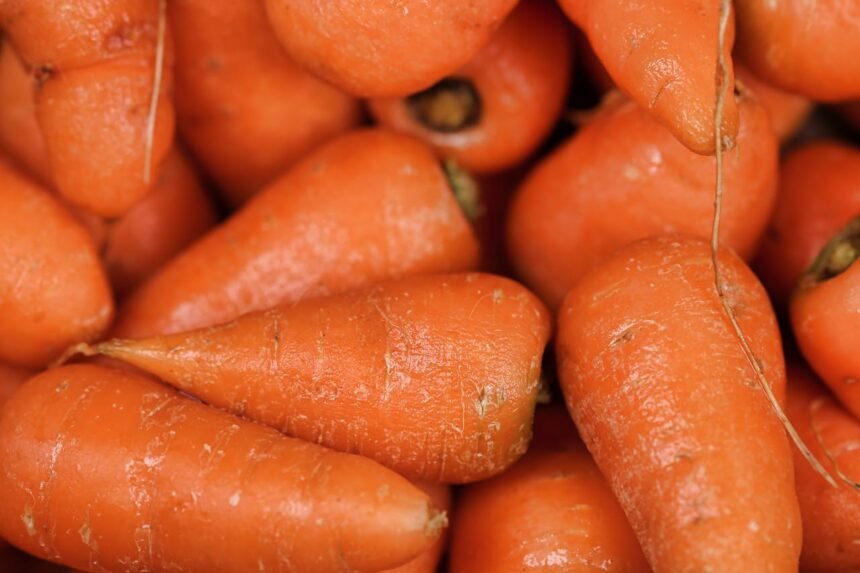
Carrots are undeniably one of the most popular root vegetables worldwide. Whether served as a crunchy snack, grated into a salad, or roasted alongside a Sunday roast, they are a staple in many households. Renowned for their vibrant orange colour and high vitamin A content, they are often associated with good vision and immune health.
However, a common debate persists among nutrition enthusiasts and scientists alike: does eating them raw provide the most benefit, or does the heating process unlock hidden potential? While raw vegetables are often assumed to be superior due to the preservation of heat-sensitive enzymes, the science behind cooked carrots tells a slightly different, more complex story.
Understanding how thermal processing alters the chemical structure of this vegetable is key to maximising your dietary intake. In this article, we analyse the nutritional trade-offs between raw and cooked preparations, helping you decide the best way to include this powerhouse vegetable in your diet.
Nutritional Overview: Raw vs. Cooked
Before diving into the biochemistry of bioavailability, it is useful to look at the basic nutritional profile. Carrots are rich in beta-carotene, fibre, vitamin K1, potassium, and antioxidants. They are weight-loss friendly and have been linked to lower cholesterol levels and improved eye health.
Interestingly, the macronutrient profile shifts slightly when carrots are cooked, largely due to water loss and the concentration of vegetable mass.
Here is a comparison of approximately 100 grams of raw versus cooked carrots (boiled/steamed without salt):
| Nutrient | Raw Carrots | Cooked Carrots (Boiled) |
|---|---|---|
| Calories | 41 kcal | 35 kcal |
| Water | 88% | 90% |
| Protein | 0.9 g | 0.8 g |
| Carbohydrates | 9.6 g | 8.2 g |
| Sugar | 4.7 g | 3.5 g |
| Fibre | 2.8 g | 3.0 g |
| Fat | 0.2 g | 0.2 g |
While the caloric difference is negligible, the structural changes that occur during cooking significantly impact how your body absorbs these nutrients. For a comprehensive breakdown of the carrot’s nutritional data, you can refer to the USDA FoodData Central database.
The Bioavailability Factor: Why Cooking Often Wins
The primary argument for consuming cooked carrots revolves around a concept called bioavailability. This term refers to the proportion of a nutrient that is digested, absorbed, and metabolised through normal biological pathways.
Breaking Down Cellular Walls
Carrots have tough cellular walls made of cellulose. Humans lack the specific enzyme required to break down cellulose efficiently. When you eat a raw carrot, you may be chewing it thoroughly, but much of the beta-carotene remains trapped inside these rigid cell walls, passing through your digestive system unabsorbed.
Cooking acts as a form of pre-digestion. The heat softens the tissues and breaks down the thick cell walls, effectively releasing the nutrients bound within. According to research published in the Journal of Agricultural and Food Chemistry, cooking carrots can significantly increase the concentration of carotenoids available for absorption.
The Beta-Carotene Boost
Beta-carotene is a carotenoid that the body converts into vitamin A (retinol). Vitamin A is essential for immune function, growth, development, and vision. Studies suggest that the human body absorbs significantly less beta-carotene from raw carrots compared to cooked carrots.
One landmark study demonstrated that bioavailability of beta-carotene was much higher in those who consumed the vegetable cooked and pureed compared to raw and chopped. This conversion is vital because vitamin A deficiency is a concern in many populations, although less so in developed nations.
For more on the benefits of carotenoids, you can read this overview by Healthline.
Nutrients Lost During Cooking
While cooked carrots reign supreme for beta-carotene, it is important to acknowledge that heat does destroy certain nutrients. Cooking is always a trade-off.
Vitamin C Sensitivity
Vitamin C (ascorbic acid) is water-soluble and highly sensitive to heat. It degrades rapidly when vegetables are boiled or exposed to high temperatures for prolonged periods. If you rely on carrots as a primary source of Vitamin C—which helps with collagen production and iron absorption—eating them raw is the superior choice.
However, carrots are not typically considered a high source of Vitamin C compared to bell peppers, citrus fruits, or broccoli. Therefore, the loss of Vitamin C in carrots might be considered an acceptable sacrifice to gain the massive boost in vitamin A.
Enzyme Deactivation
Proponents of raw food diets argue that cooking destroys natural enzymes found in vegetables. While it is true that heat deactivates enzymes, the human body produces its own digestive enzymes efficiently. The clinical significance of ingesting plant enzymes is often debated in the scientific community, with many experts suggesting that stomach acid neutralises most plant enzymes before they can provide therapeutic benefits.
The Role of Fat in Absorption
Whether you choose raw or cooked carrots, there is one critical factor that overrides the preparation method: fat.
Vitamins are categorised as either water-soluble or fat-soluble. The key nutrients in carrots—Vitamin A, Vitamin K, and Vitamin E—are fat-soluble. This means they require dietary fat to be dissolved and absorbed into the bloodstream.
Eating a bowl of steamed carrots without any added fat will result in poor absorption of antioxidants. To maximise the health benefits, you should pair your carrots with a healthy source of fat, such as:
- Extra virgin olive oil
- Avocado oil
- Butter or ghee
- Nuts or seeds
A study highlighted by Scientific American confirms that adding a lipid source is non-negotiable for optimal nutrient uptake.
Glycaemic Index and Blood Sugar Levels
Another consideration when choosing between raw and cooked is the Glycaemic Index (GI). The GI measures how quickly a food raises blood sugar levels.
- Raw Carrots: Have a low GI (around 16-20). They digest slowly and cause a minimal rise in blood sugar.
- Cooked Carrots: Have a higher GI (ranging from 39 to 49, depending on softness). The breakdown of fibrous structures makes the sugars more readily available.
However, this should not deter you from eating cooked carrots. Their Glycaemic Load (GL)—which takes portion size into account—remains very low. Unless you are on a strict ketogenic diet or managing severe diabetes, the blood sugar impact of carrots is generally considered healthy. For specific guidance on GI, the Harvard T.H. Chan School of Public Health offers excellent resources.
Best Cooking Methods to Retain Nutrients
Not all cooking methods are created equal. If you want to maximise the availability of beta-carotene while minimising the loss of water-soluble vitamins, how you cook matters.
1. Steaming (The Gold Standard)
Steaming is widely regarded as the best method for preserving antioxidants. It softens the fibre to release beta-carotene but does not submerge the vegetable in water, preventing the leaching of nutrients. A report from the European Food Information Council supports steaming as a top method for nutrient retention.
2. Boiling
Boiling is the most common method but also the riskiest for nutrient loss. When you boil carrots, a significant amount of vitamin C and some antioxidants leach into the water. If you do boil them, try to use a small amount of water and consider using the leftover liquid in soups or stocks to reclaim those lost minerals.
3. Roasting
Roasting concentrates flavours and caramelises the natural sugars, making cooked carrots delicious. While high heat can degrade some vitamins, roasting usually involves oil, which aids in absorption immediately. The British Heart Foundation suggests roasting with minimal oil is a heart-healthy option.
4. Microwaving
Contrary to popular belief, microwaving is actually an excellent way to preserve nutrients. Because it requires little water and has a short cooking time, it prevents the destruction of heat-sensitive vitamins better than boiling.
Practical Tips for Preparation
To get the absolute most out of this vibrant root vegetable, consider these practical preparation tips:
- Keep the Peel: Much of the phytonutrient profile is concentrated in or just below the skin. Instead of peeling, scrub the carrots thoroughly with a vegetable brush. This increases fibre intake.
- Cook Whole: Research indicates that boiling carrots whole and cutting them afterwards retains more nutrients than chopping them before cooking. This reduces the surface area exposed to the water.
- Pair with Iron: The beta-carotene in carrots helps improve the absorption of non-heme iron from plant sources. Eating carrots with spinach or lentils is a smart nutritional strategy.
- Don’t Overcook: Cook until tender-crisp. Overcooking to a mushy consistency can degrade antioxidants excessively.
For more advice on dietary fibre and vegetable preparation, Medical News Today provides detailed insights.
The Role of Polyacetylenes
Beyond beta-carotene, carrots contain bioactive compounds called polyacetylenes, specifically falcarinol and falcarindiol. Some studies suggest these compounds may have anti-cancer properties.
Research indicates that these compounds are relatively heat stable but are water-soluble. This reinforces the advice to steam rather than boil, or to boil whole, to keep these protective compounds within the vegetable matrix. You can read more about bioactive compounds in vegetables via the National Institutes of Health (NIH).
The Bottom Line
So, which is better?
The answer depends on your specific health goals, but for the general population, cooked carrots offer a distinct nutritional advantage.
While raw carrots are excellent for hydration, dental health, and a low-glycaemic snack, the heating process unlocks the full potential of beta-carotene and other antioxidants. By breaking down the cellular structure, cooking transforms the carrot from a difficult-to-digest fibrous root into a highly bioavailable source of Vitamin A.
Here is the best approach:
- Eat both: Variety is key to a healthy gut microbiome.
- Prioritise cooked: Aim for lightly steamed or roasted carrots with a drizzle of olive oil to maximise antioxidant absorption.
- Don’t fear the sugar: The natural sugars in carrots come with fibre and nutrients, making them vastly different from processed sugars.
Ultimately, the best vegetable is the one you actually eat. Whether you prefer the snap of a raw stick or the sweetness of a roasted wedge, carrots remain a nutritional superhero. For further reading on achieving a balanced diet, the NHS Live Well guide is an invaluable resource.
Always consult with a healthcare professional or a registered dietician before making drastic changes to your diet, especially if you have underlying health conditions.