Navigating dietary choices when living with Irritable Bowel Syndrome (IBS) can feel like walking through a minefield. Foods that appear healthy and harmless can sometimes trigger uncomfortable symptoms like bloating, gas, and abdominal pain.
Vegetables, in particular, are a source of confusion. While we are told to eat our greens for fibre and vitamins, many vegetables are high in fermentable carbohydrates that wreak havoc on sensitive guts.
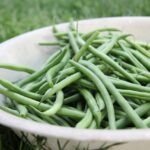
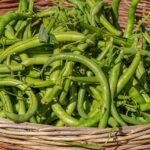
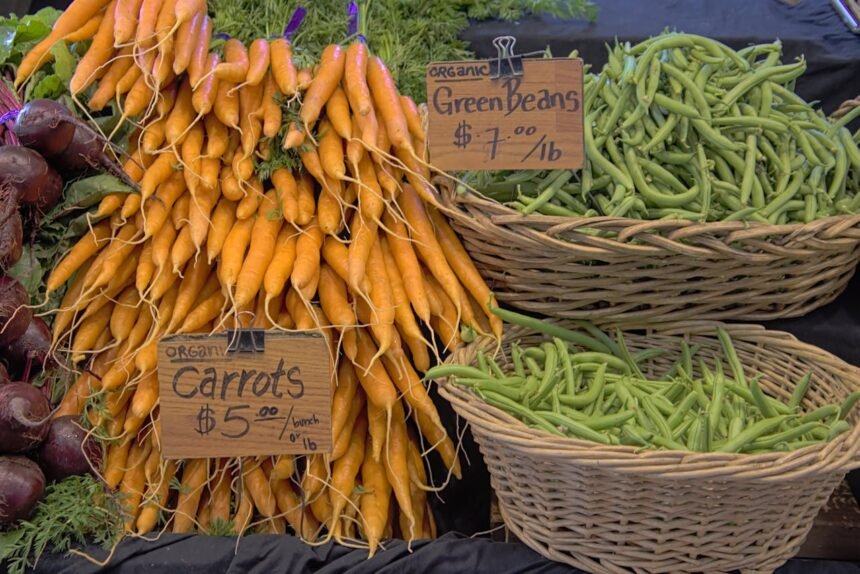
One common pantry staple is the humble green bean (also known as string beans or French beans). Whether you enjoy them steamed, roasted, or in a casserole, you might be asking: Is the green bean FODMAP friendly?
The short answer is yes—but portion size is critical. In this article, we explore the science behind green beans and IBS, how to prepare them safely, and the nutritional benefits they offer.
Understanding FODMAPs and IBS
To understand why some vegetables trigger IBS symptoms while others do not, we must look at FODMAPs.
FODMAP stands for Fermentable Oligosaccharides, Disaccharides, Monosaccharides, and Polyols. These are short-chain carbohydrates (sugars) and sugar alcohols that the small intestine absorbs poorly.
When these carbohydrates travel to the large intestine, they are fermented by bacteria, producing gas. For individuals with a resilient gut, this is rarely an issue. However, for those with IBS, this process causes distension and significant discomfort.
The Role of Monash University
Much of what we know about FODMAPs comes from research conducted by Monash University, the institution that developed the Low-FODMAP diet. They rigorously test foods to determine their chemical composition and assign serving sizes that are generally tolerated by most people with IBS.
According to their research, foods operate on a traffic light system:
- Green: Low in FODMAPs (Safe to eat).
- Amber: Moderate in FODMAPs (Limit intake).
- Red: High in FODMAPs (Avoid during the elimination phase).
Are Green Beans Low FODMAP?
Green beans occupy a unique space in the FODMAP hierarchy because their safety depends almost entirely on quantity.
According to Monash University testing, green beans are considered low FODMAP at a serving size of 75 grams (approximately 15 beans). At this portion size, they typically do not trigger symptoms.
However, the situation changes as you increase the portion:
- At 100 grams: They contain moderate amounts of Sorbitol.
- At 125 grams (approx 25 beans): They become high in Sorbitol.
What is Sorbitol?
Sorbitol is a type of sugar alcohol (polyol). It is found naturally in fruits like blackberries and stone fruits, as well as in green beans. It acts as a natural laxative because it draws water into the large intestine.
For someone with IBS-D (diarrhoea-predominant), excess sorbitol can be particularly problematic. Therefore, weighing your portions is essential when introducing green beans back into your diet.
Nutritional Benefits of Green Beans
Eliminating too many foods during an IBS flare-up can lead to nutrient deficiencies. It is vital to keep nutrient-dense foods like green beans in your rotation, provided you stick to the safe serving size.
Green beans offer several health advantages:
1. Source of Dietary Fibre
Fibre is complex for IBS sufferers. Too little can cause constipation, while too much can cause bloating. Green beans provide a source of insoluble fibre, which adds bulk to the stool and helps food pass more quickly through the stomach and intestines. The NHS recommends adjusting fibre intake based on your specific symptoms, but maintaining some fibre intake is usually necessary for gut health.
2. Vitamin C and K
Green beans are rich in Vitamin C, an antioxidant that supports the immune system and skin health. They also contain Vitamin K, which is essential for blood clotting and bone health.
3. Low in Calories
Because they are mostly water and fibre, green beans are low-calorie, making them an excellent volume food for weight management without spiking blood sugar.
Fresh, Frozen, or Tinned: Does It Matter?
The processing of vegetables can alter their FODMAP content. Interestingly, water-soluble FODMAPs (like fructans and GOS) can leach out of vegetables and into the surrounding liquid.
Tinned Green Beans
Canned or tinned green beans are generally considered lower in FODMAPs than fresh ones because the water-soluble FODMAPs leach into the brine.
- Tip: Always drain and rinse tinned beans thoroughly before cooking. This washes away some of the excess fermentable sugars that have leeched into the liquid.
Frozen Green Beans
Frozen green beans are usually blanched before freezing. Their FODMAP content is similar to fresh green beans. Stick to the 75g limit to be safe.
Comparison: Green Beans vs. Other Legumes
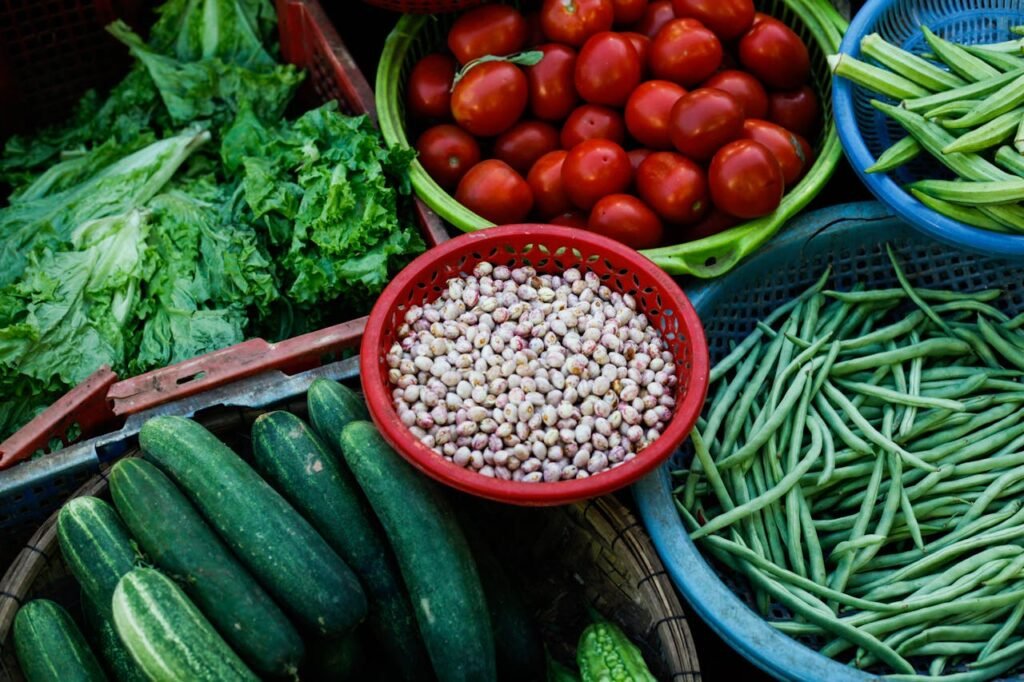
It is easy to confuse green beans with other legumes that are high in FODMAPs. Here is a quick comparison to help you shop:
| Vegetable | FODMAP Status | Notes |
|---|---|---|
| Green Beans | Low (at 75g) | High in Sorbitol at large doses. |
| Sugar Snap Peas | High | High in Fructose (even at small doses). |
| Snow Peas | Low (at 16g) | Very restrictive serving size; mostly high in Mannitol. |
| Broad Beans | Moderate | High in Fructans at larger servings. |
| Runner Beans | Low (at 75g) | Similar profile to green beans. |
For a broader list of safe vegetables, resources like Healthline offer comprehensive guides on what to include in your diet.
Practical Tips for Eating Green Beans with IBS
If you love green beans but are worried about symptoms, follow these practical management strategies.
1. Accurate Weighing
During the elimination phase of the low-FODMAP diet, do not guess your portions. Use a kitchen scale to measure out 75g. Visually, this is roughly a small handful, but “handfuls” vary in size. Precision helps you pinpoint triggers.
2. Cooking Methods
How you cook the beans matters less for FODMAP content than what you cook them with.
- Avoid: Sautéing in garlic or onion, as these are high-FODMAP triggers.
- Try: Steaming or boiling, then tossing in garlic-infused olive oil. The fructans in garlic are not soluble in oil, so you get the flavour without the tummy trouble.
3. Combining Foods (FODMAP Stacking)
Be mindful of “stacking.” If you eat 75g of green beans (safe) alongside a serving of sweet potato (contains mannitol) and an apple (contains sorbitol/fructose), the total load of FODMAPs in that single meal may trigger symptoms.
For more on how digestion works regarding nutrient absorption, the National Institute of Diabetes and Digestive and Kidney Diseases provides excellent overviews of the digestive tract.
Simple Low-FODMAP Green Bean Recipe
Lemon and Almond Green Beans
- Ingredients: 75g green beans (trimmed), 1 tsp garlic-infused oil, 1 tbsp flaked almonds, squeeze of fresh lemon juice, sea salt.
- Method:
- Steam beans until tender-crisp (about 4-5 minutes).
- Toss in a pan with garlic-infused oil and almonds until almonds are golden.
- Finish with lemon juice and salt.
This recipe avoids high-FODMAP additives while delivering crunch and flavour.
Reintroduction Phase
The low-FODMAP diet is not meant to be permanent. It is a three-step process: elimination, reintroduction, and personalisation.
Once your symptoms have settled, you may wish to test your tolerance to sorbitol specifically. You might find that you can tolerate 100g or even 120g of green beans without issue.
Consulting a registered dietitian is highly recommended during this phase. As noted by the British Dietetic Association, professional guidance ensures you do not restrict your diet unnecessarily for too long.
The Bottom Line
Green beans can be a healthy, delicious part of a low-FODMAP diet, provided you are mindful of portion sizes.
- Stick to 75g: This serves as a safe baseline to avoid sorbitol overload.
- Check the style: Tinned beans may be slightly better tolerated due to leaching, but fresh are fine if weighed.
- Watch the additives: Avoid onion and garlic powders in seasoning blends.
Living with IBS requires patience and attention to detail. By understanding which carbohydrates trigger your system, you can enjoy a varied diet without fear.
Evidence regarding IBS management is constantly evolving. Sources such as PubMed often publish new studies on dietary interventions for gastrointestinal disorders. Additionally, organisations like the International Foundation for Gastrointestinal Disorders offer support networks for those struggling with chronic gut issues.
Remember, everyone’s gut is unique. What works for one person may not work for another. Keep a food diary, listen to your body, and enjoy your greens in moderation.
This article is for informational purposes only and does not constitute medical advice. Always consult with a healthcare professional before making drastic changes to your diet.
Additional Resources
For further reading on digestive health and nutrition, consider visiting: