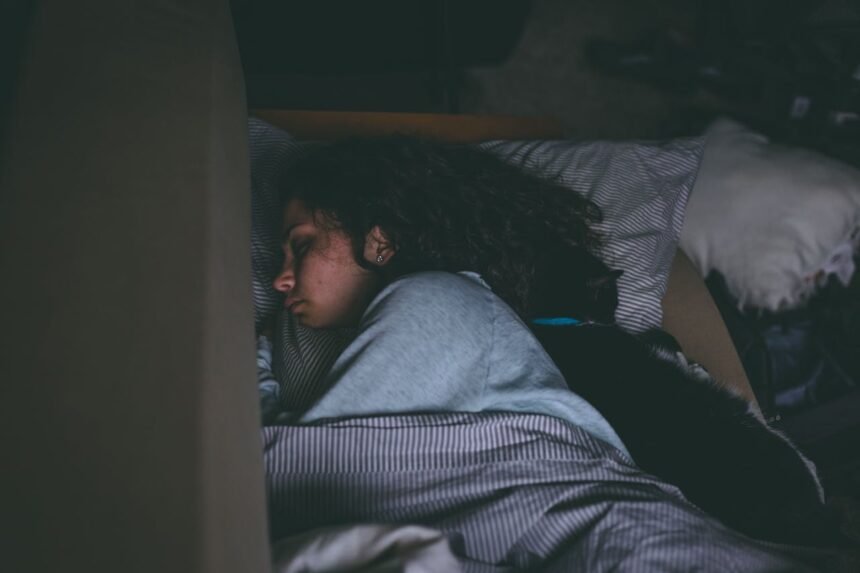
Sleep is as essential to our bodies as food and water. Yet, in today’s fast-paced world, many of us treat it as a luxury rather than a necessity. A common question arises: can we function effectively on just six hours of rest? The answer is complex and varies by individual, but for the vast majority of people, six hours is simply not enough to maintain optimal health.
Chronic sleep deprivation can lead to serious long-term health issues, ranging from heart disease to mental health struggles. Understanding your specific needs based on your age and lifestyle is the first step toward better health. This article explores the science behind sleep duration, the impact of cutting corners on rest, and practical ways to improve your nightly routine.
The Science of Sleep Duration
Sleep is not a passive state. While you rest, your brain is hard at work repairing cells, consolidating memories, and clearing out toxins. This process occurs in cycles, typically lasting about 90 minutes each. To feel fully rested, the average adult needs to complete four to six of these cycles nightly.
When you restrict your sleep to six hours, you often cut off the final sleep cycle. This last cycle contains a significant portion of REM (Rapid Eye Movement) sleep, which is crucial for emotional regulation and cognitive processing. Missing this can leave you feeling irritable and unfocused, even if you feel “awake” after your morning coffee.
Sleep Needs by Age Group
Your requirement for rest changes as you grow. Infants need the most, while older adults often experience changes in their sleep patterns.
Teenagers and Young Adults
Adolescence is a critical time for brain development. During these years, the biological clock shifts, making teens want to stay up later and sleep in longer. Parents often struggle to help their children manage this shift. Using a sleep cycle calculator for teenagers can help determine the optimal bedtime based on when they need to wake up for school.
As we enter early adulthood, the pressure to study or work often leads to late nights. A common query we receive is: is 6 hours of sleep enough for a 20 year old? Generally, the answer is no. Young adults in their twenties are still undergoing significant cognitive development and typically need 7 to 9 hours to function at their peak. Cutting this short can impair memory, reaction times, and mood regulation.
Adults and the Elderly
As we age, our sleep architecture changes. We spend less time in deep sleep and wake up more frequently during the night. However, the total amount of sleep needed remains relatively constant. For older generations, falling asleep can become difficult. Many seek natural remedies for insomnia in elderly individuals, such as establishing a consistent routine, increasing daylight exposure, and gentle evening exercise, rather than relying immediately on medication.
Health Impacts of Sleep Deprivation
Consistently sleeping less than seven hours is associated with a range of adverse health outcomes. The NHS warns that lack of sleep can weaken your immunity, making you more susceptible to infections. Furthermore, sleep deprivation disrupts the hormones that regulate hunger, often leading to weight gain.
Why You Might Still Feel Tired
Quantity is not the only metric for success. Many patients are confused when they get a full night’s rest but still feel exhausted. They often ask, “why do i feel tired after 8 hours of sleep?” This phenomenon often points to poor sleep quality or underlying health issues.
Hidden Sleep Disorders
Undiagnosed conditions can fragment your sleep without you realising it. It is helpful to review a comprehensive guide or a common sleep disorders list to see if your symptoms match. Conditions like restless leg syndrome or insomnia are frequent culprits.
One particularly serious condition is obstructive sleep apnea, where breathing stops and starts during the night. While often associated with men, signs of sleep apnea in women can be different and are frequently overlooked. Women may experience morning headaches, mood changes, or simply chronic fatigue rather than the loud snoring typically seen in men.
Improving Your Sleep Environment
Creating the right setting is crucial for high-quality rest. Your bedroom should be a sanctuary designed for relaxation.
Temperature Control
Your body temperature needs to drop slightly to initiate sleep. Overheating can cause restlessness and wakefulness. Research suggests that the best temperature for sleep celsius thermostats should be set to is typically between 16 and 18 degrees. Keeping the room cool and using breathable bedding can make a significant difference.
Light and Technology
Our sleep-wake cycle is governed by light. Exposure to bright screens before bed tricks the brain into thinking it is daytime. Many people question blue light glasses for sleep effectiveness. While they can block some stimulating light, the most effective method is simply avoiding screens for at least an hour before bed. If you must use devices, dim the brightness significantly.
Dietary Habits for Better Rest
What you consume plays a massive role in how well you sleep. Heavy meals before bed can cause discomfort, while certain substances act as stimulants.
Caffeine and Alcohol
Most people know coffee keeps you awake, but the duration of its impact is often underestimated. The half-life of caffeine is quite long. The effect of caffeine on sleep cycle stability can last for up to 10 hours. This means a cup of coffee at 4 pm could still be affecting your ability to enter deep sleep at midnight.
Soothing Beverages
Instead of stimulants, opt for a warm, non-caffeinated drink. Chamomile or valerian root tea to help you sleep better is a popular choice in the UK. These herbs have mild sedative properties that can help relax the nervous system before you tuck in.
Fixing Your Routine
Irregular hours, shift work, or poor habits can throw your body clock into chaos. If you find yourself awake all night and sleeping all day, you may need to learn how to fix a reversed sleep schedule. The key is gradual adjustment. Shift your bedtime by 15 to 30 minutes earlier each day and avoid naps, even if you are tired.
Morning Habits
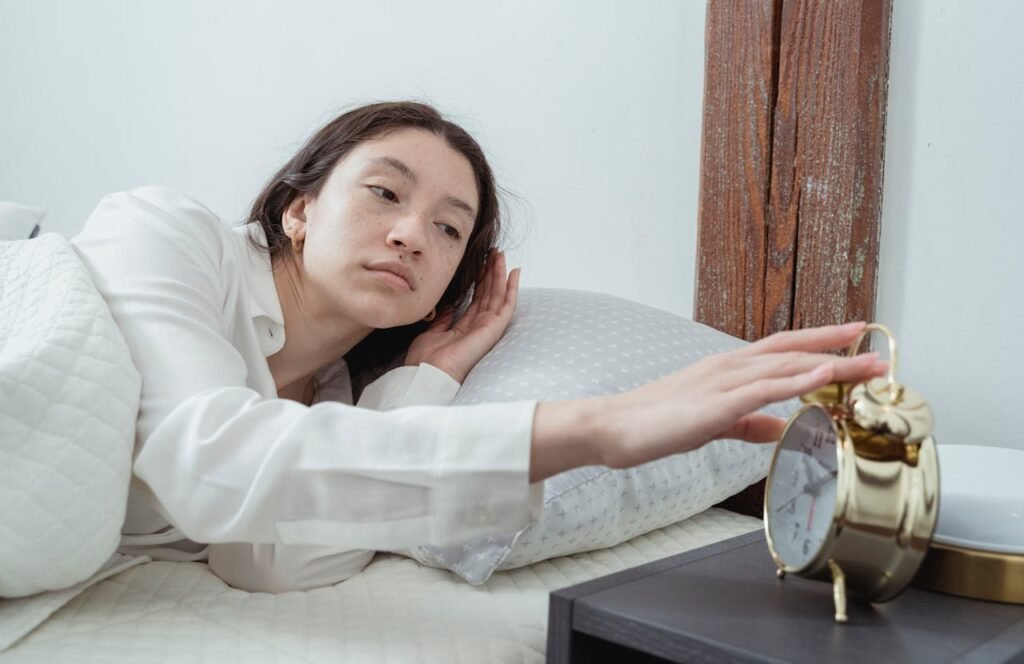
How you start your day influences how you end it. Learning how to wake up early without feeling tired involves consistency. Wake up at the same time every day, even on weekends. Immediately expose yourself to natural sunlight to reset your circadian rhythm. You can read more about building energy naturally on our blog.
Techniques to Fall Asleep Faster
Sometimes, the mind simply won’t shut off. You might lay in bed worrying about the future or replaying the past.
Managing Nighttime Anxiety
Insomnia often strikes in the middle of the night. Knowing what to do when you can’t sleep at 3am is vital. First, do not watch the clock. If you have been awake for more than 20 minutes, get out of bed. Go to another room and do something unstimulating, like reading a book under dim light, until you feel sleepy again. Avoid looking at your phone.
The Military Method
For those who struggle to drift off initially, structured relaxation techniques can be powerful. The military sleep method step by step involves relaxing every muscle group in your body, from your face down to your toes, while visualising a peaceful scene. This technique, reportedly used by soldiers to sleep in difficult conditions, helps lower physical tension and mental chatter.
Understanding Dreams
Quality sleep also involves dreaming. However, some people experience intense nightly adventures that leave them exhausted. Potential causes of vivid dreams every night include stress, certain medications, or sleep deprivation rebound. If your dreams are disturbing your rest, it may be worth speaking to a mental health professional.
The Bottom Line
While some rare individuals can function on six hours of sleep, for most people, it is insufficient for long-term health and well-being. Prioritising sleep is not a sign of weakness; it is a fundamental pillar of health. By optimising your environment, managing your diet, and respecting your body’s need for rest, you can improve your quality of life significantly.
For more detailed guides on health and wellness, visit the CDC Sleep and Sleep Disorders page or explore the Sleep Foundation resources. Additionally, check out the Mayo Clinic’s tips on sleep hygiene and Johns Hopkins Medicine for the latest research.
Remember, if you suspect a disorder, consult your GP. You can also find support via WebMD’s sleep section, the National Institutes of Health (NIH), Harvard Health, or World Health Organization publications.
Taking control of your sleep today is the best investment for your tomorrow. Start small, be consistent, and give your body the restorative rest it deserves.