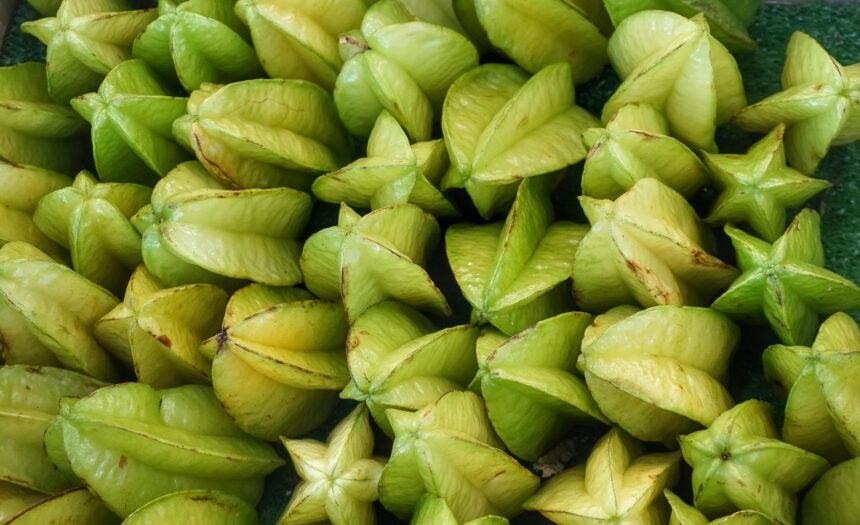
If you are looking to diversify your fruit intake while supporting your body’s natural defences, star fruit—scientifically known as Averrhoa carambola—is a compelling option. Named for its distinctive shape when sliced horizontally, this tropical fruit offers more than just a decorative garnish for cocktails and salads.
Star fruit is celebrated for its crisp texture, tart-to-sweet flavour profile, and, most importantly, its robust nutritional density. For those seeking to enhance their immune health, the high concentration of star fruit vitamin C serves as a primary benefit, acting as a powerful antioxidant that helps shield the body against oxidative stress and infection.
However, while the benefits are significant, star fruit is unique among fruits due to specific compounds that may pose risks for individuals with certain health conditions. Understanding both the potent immune-boosting properties and the necessary safety precautions is essential for incorporating this fruit into your diet responsibly.
This article explores the nutritional impact of star fruit on your immune system, the mechanisms behind its benefits, and practical ways to consume it safely.
Nutritional Profile: A Powerhouse of Nutrients
Before diving into the specific immune mechanisms, it is vital to understand what makes star fruit a nutritional heavyweight. It is low in calories yet rich in fibre and essential micronutrients. The standout component is undoubtedly Vitamin C, but it also provides a range of other compounds that work synergistically to support overall health.
A single medium-sized star fruit (approximately 91 grams) contains the following nutrients:
| Nutrient | Amount | % Daily Value (DV) |
|---|---|---|
| Calories | 28 | – |
| Fibre | 2.5 g | 10% |
| Protein | 1 g | – |
| Vitamin C | 31 mg | 52% |
| Copper | 0.1 mg | 6% |
| Potassium | 121 mg | 3% |
| Pantothenic Acid (B5) | 0.4 mg | 4% |
Source: USDA FoodData Central
The most striking figure here is the Vitamin C content. Consuming just one fruit delivers over half of your recommended daily intake, making star fruit vitamin C an efficient way to bolster your nutrient levels without consuming excess sugar or calories.
The Immune Connection: How Star Fruit Works
The immune system is a complex network of cells, tissues, and organs that work together to defend the body against pathogens. Nutrition plays a pivotal role in the functioning of this system. Star fruit contributes to immune health through several distinct biological mechanisms.
1. The Power of Vitamin C
Vitamin C (ascorbic acid) is a water-soluble vitamin that the human body cannot produce on its own. It must be obtained through diet. The star fruit vitamin C content is crucial because this vitamin promotes the production of white blood cells, known as lymphocytes and phagocytes, which help protect the body against infection.
According to the National Institutes of Health (NIH), Vitamin C helps these white blood cells function more effectively while protecting them from damage by potentially harmful molecules, such as free radicals. Furthermore, Vitamin C is an essential part of the skin’s defence system. It is actively transported to the skin, where it can act as an antioxidant and help strengthen the skin’s barriers.
2. Combatting Oxidative Stress
Oxidative stress occurs when there is an imbalance between free radicals and antioxidants in your body. Prolonged oxidative stress can lead to chronic inflammation, which suppresses the immune system and makes the body more susceptible to illness.
Star fruit is rich in beneficial plant compounds, including quercetin, gallic acid, and epicatechin. These polyphenols possess powerful antioxidant properties. A study published in PubMed highlights that the consumption of fruits rich in polyphenols can significantly reduce inflammatory markers in the body.
By neutralising free radicals, the antioxidants in star fruit help reduce the workload on the immune system, allowing it to focus on identifying and eliminating external threats like viruses and bacteria.
3. Anti-Inflammatory Properties
Inflammation is a natural immune response, but chronic inflammation can lead to tissue damage and disease. The sugars and organic acids found in star fruit have been observed to demonstrate anti-inflammatory effects in animal studies.
While human research is still ongoing, the combination of Vitamin C and flavonoids suggests that regular consumption may help modulate the body’s inflammatory response. For a deeper understanding of how vitamins influence immunity, you can read more on Healthline.
Potential Risks and Safety Precautions
While the star fruit vitamin C benefits are impressive, it is critical to address the safety profile of this fruit. Star fruit is not safe for everyone.
Kidney Health Warning
Star fruit contains high levels of oxalates and a specific neurotoxin called caramboxin. People with healthy, functioning kidneys can process and excrete these substances without issue. However, for individuals with kidney disease, consuming star fruit can be dangerous and even fatal.
The National Kidney Foundation warns that “star fruit poisoning” can occur in patients with kidney problems. Symptoms may include hiccups, mental confusion, seizures, and in severe cases, death. Because the kidneys cannot flush out the neurotoxin, it accumulates in the brain and causes significant damage.
If you have any history of kidney stones or kidney disease, you should strictly avoid star fruit.
Drug Interactions
Similar to grapefruit, star fruit can interact with certain medications. It inhibits enzymes responsible for breaking down drugs in the body, which can lead to higher-than-intended levels of medication in your bloodstream.
If you are taking prescription medications—particularly statins or anti-anxiety drugs—consult your GP or pharmacist before adding star fruit to your diet. The Mayo Clinic provides extensive resources on how food-drug interactions work.
Practical Tips for Selection and Preparation
To maximise the immune-boosting potential of star fruit, selecting the right fruit and preparing it correctly is important.
How to Select
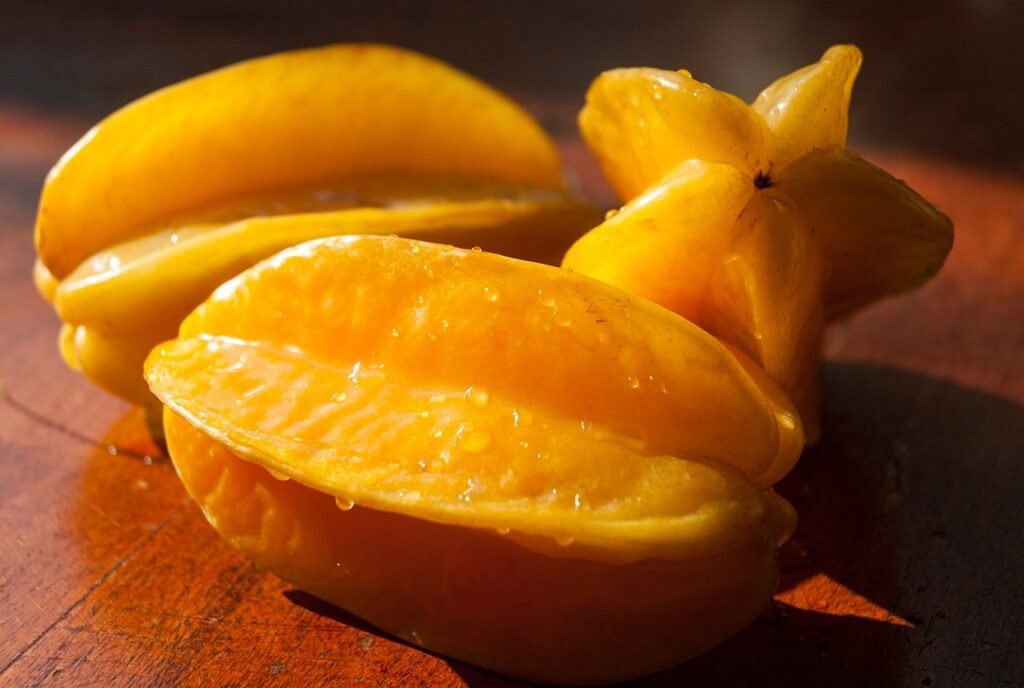
- Colour: Look for fruit that is bright yellow. A little bit of green on the ridges implies it is slightly unripe but will ripen at home. Brown spots along the ridges are normal and often indicate the fruit is at its sweetest.
- Texture: The skin should be firm and waxy. Avoid fruit that is shrivelled or has soft spots, as this indicates over-ripeness or damage.
Preparation Guide
Star fruit is entirely edible, including the waxy skin. There is no need to peel it, which is beneficial as much of the fibre and antioxidants are located in or just below the skin.
- Wash Thoroughly: Rinse the fruit under cold running water. The FDA recommends scrubbing firm produce to remove potential contaminants.
- Trim the Ends: Cut off the dark tip at each end of the fruit.
- Remove the Edges: Run a sharp knife along the vertical ridges (the “star” points) to remove the brown, slightly tough outer edge.
- Slice: Cut the fruit crosswise into stars. Remove any seeds you encounter, although they are edible.
Culinary Uses
- Raw Snack: Eat it plain like an apple.
- Salads: Add slices to a spinach and walnut salad for a tart crunch.
- Smoothies: Blend with mango and strawberries for a Vitamin C-packed drink.
- Garnish: Use the star shapes to decorate nutritious dishes.
Comparing Star Fruit to Other Immune Boosters
Is star fruit the superior choice for immunity? It holds its own against common staples. While oranges are the poster child for Vitamin C, star fruit offers a lower sugar content per gram, which is beneficial for maintaining stable blood sugar levels—a factor that indirectly supports immune health.
The Harvard T.H. Chan School of Public Health notes that a diet varied in different fruits and vegetables is superior to relying on a single superfood. Incorporating star fruit provides a unique profile of phytonutrients that complements those found in citrus fruits and berries.
The Bottom Line
Star fruit is a visually striking, hydrating, and nutrient-dense fruit that can play a valuable role in a healthy diet. The high concentration of star fruit vitamin C acts as a vital tool for your immune system, enhancing white blood cell function and reducing oxidative stress.
However, it requires a mindful approach. The high oxalate content and the presence of caramboxin make it unsuitable for individuals with kidney issues. For the general population with healthy kidney function, it serves as an excellent, low-calorie way to diversify nutrient intake.
As with all dietary changes, balance is key. Pairing star fruit with a diet rich in proteins, healthy fats, and other vegetables, as recommended by the NHS Eatwell Guide, will ensure your immune system has the comprehensive support it needs to function optimally.
For authoritative advice on dietary supplements and safety, refer to the European Food Safety Authority (EFSA).
Always consult a healthcare professional before making significant changes to your diet, especially if you have pre-existing health conditions.