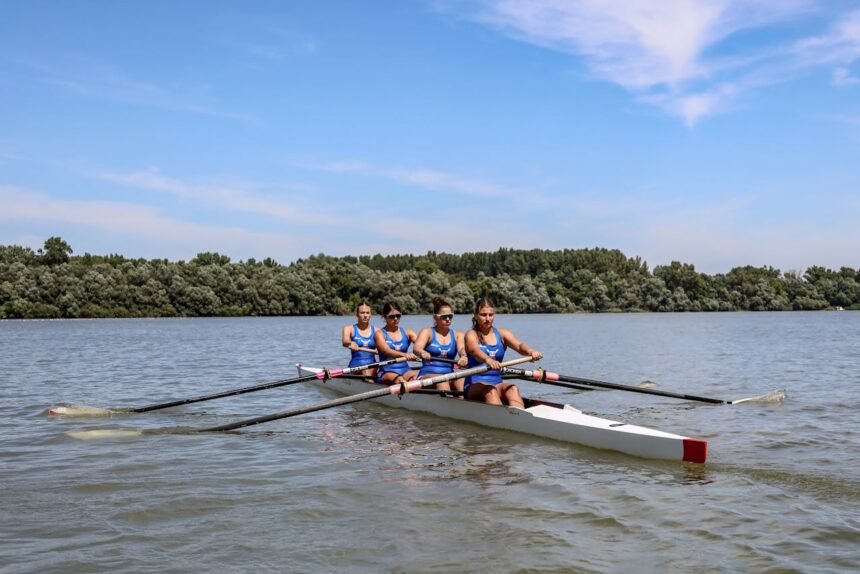
In a world brimming with diverse exercise options, finding a workout that not only challenges your body but also invigorates your mind can be a quest. While gyms, studios, and running trails offer conventional paths to fitness, an often-overlooked yet profoundly rewarding pursuit is emerging from the tranquil waters: rowboat fitness. Far more than just a leisurely glide across a lake, this activity offers a comprehensive, low-impact, full-body workout that harnesses the power of nature and the rhythmic beauty of sculling.
For beginners looking to dive into a new and effective exercise regimen, rowboat fitness presents a compelling alternative to traditional land-based workouts. It’s an opportunity to strengthen muscles, boost cardiovascular health, and reduce stress, all while enjoying the great outdoors. But is this unique blend of athleticism and serenity the right fit for your fitness journey? This comprehensive guide will explore the myriad benefits of rowboat fitness, helping you determine if it’s the perfect stroke for you.
What Exactly is Rowboat Fitness?
When we talk about rowboat fitness, we’re referring to the physical activity involved in propelling a rowboat, typically a scull or a recreational rowing shell, across a body of water. This distinguishes it from indoor rowing machines, which simulate the motion but lack the dynamic environment and proprioceptive challenges of being on actual water.
Outdoor rowing engages nearly every major muscle group in a fluid, continuous motion. It combines strength, endurance, and coordination, demanding active participation from the legs, core, back, and arms. Unlike team-based sweep rowing (where each rower uses one oar), sculling (where each rower uses two oars) often allows for individual control and a more personal fitness experience, making it highly accessible for beginners. The resistance is provided by the water itself, offering a smooth, controlled challenge that can be adjusted by your effort and stroke rate.
The Unmatched Benefits of Rowboat Fitness
The allure of rowboat fitness lies in its multifaceted approach to physical and mental well-being. It’s an exercise that champions efficiency, engagement, and enjoyment.
Full-Body Muscle Engagement
One of the most significant advantages of rowing is its ability to engage an impressive array of muscles simultaneously. A single rowing stroke is a prime example of a compound exercise, activating approximately 86% of your body’s muscles. Your legs initiate the powerful drive, engaging quadriceps, hamstrings, and glutes. The core muscles stabilize the body, transferring power from the legs to the upper body, while the back muscles (latissimus dorsi, rhomboids, trapezius) and arms (biceps, triceps, forearms) pull the oars through the water. This comprehensive engagement leads to balanced strength development and improved overall muscular fitness.
Cardiovascular Powerhouse
Rowboat fitness is an exceptional cardiovascular workout that strengthens your heart and lungs. The continuous, rhythmic motion elevates your heart rate, improving blood circulation and increasing your aerobic capacity. Regular participation can lead to a stronger heart, lower blood pressure, and increased stamina, contributing significantly to your long-term heart health. The ability to maintain a steady pace for extended periods makes it excellent for building endurance and burning a substantial number of calories.
Low-Impact, Joint-Friendly Workout
For individuals concerned about joint wear and tear, or those recovering from certain injuries, rowboat fitness offers a highly appealing solution. The motion is smooth and fluid, minimizing the high-impact stresses often associated with activities like running or jumping. Because you remain seated, your joints—particularly knees, hips, and ankles—are protected from jarring forces. This makes it an ideal form of low-impact exercise that can be sustained throughout a lifetime, promoting consistent fitness without excessive strain.
Mental Well-being and Stress Reduction
Beyond the physical benefits, rowboat fitness offers profound advantages for mental health. Being outdoors, surrounded by nature, has a documented positive impact on mood and stress levels. The rhythmic, repetitive motion of rowing can be meditative, fostering a sense of calm and mindfulness. The fresh air, sunlight, and serene environment of a lake or river provide a welcome escape from daily stressors, promoting mental clarity and reducing anxiety. Research consistently highlights the benefits of spending time in nature for psychological well-being.
Enhanced Core Strength and Stability
A strong core is fundamental to almost all physical activities, and rowing is a master at building it. The core muscles — abdominals, obliques, and lower back — are constantly engaged to stabilize the trunk, transmit power, and maintain balance as you move through each stroke. This continuous activation not only sculpts a stronger midsection but also significantly improves posture, reduces the risk of back pain, and enhances overall bodily stability.
Improved Endurance and Stamina
The sustained effort required in rowboat fitness makes it an excellent activity for developing both muscular and cardiovascular endurance. As you row for extended periods, your body learns to efficiently use oxygen and energy, increasing your capacity for prolonged physical activity. This improved endurance translates to better performance in other sports and daily tasks, making you feel less fatigued throughout the day.
Balance and Coordination Development
Maintaining balance on the water, especially in narrower sculling boats, requires significant coordination. Each stroke demands synchronization between your upper body, core, and lower body. The constant micro-adjustments needed to keep the boat stable help refine proprioception (your body’s sense of its position in space) and improve overall balance and coordination. These skills are vital for everyday movements and can help prevent falls as you age.
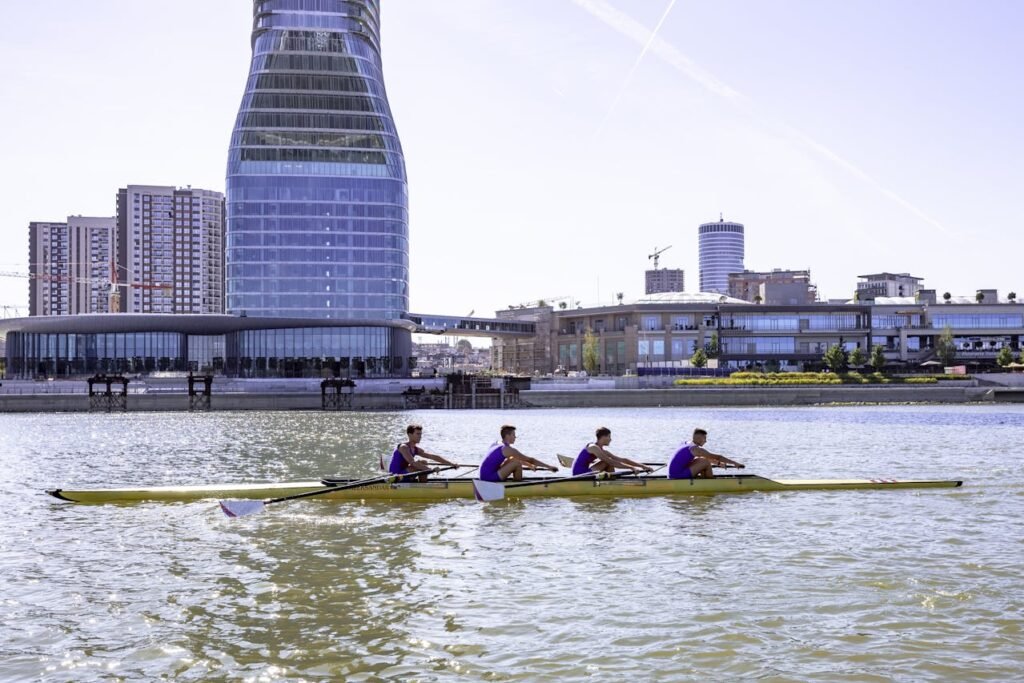
Comparison: Rowboat Fitness vs. Traditional Gym Workouts
To further illustrate the unique value of rowboat fitness, let’s compare it with aspects of more traditional gym-based workouts:
| Feature | Traditional Gym Workouts | Rowboat Fitness |
|---|---|---|
| Primary Environment | Indoors, controlled temperature, artificial lighting | Outdoors, natural settings (lakes, rivers), fresh air, sun |
| Muscle Engagement | Often isolated muscle groups (e.g., bicep curls) or specific machines | Full-body, compound movement involving 86% of muscles |
| Impact Level | Can be high-impact (running, plyometrics) or low (cycling) | Consistently low-impact, very joint-friendly |
| Cardiovascular Benefit | Excellent, depending on activity (HIIT, cardio machines) | Excellent, sustained aerobic activity, builds endurance |
| Mental Stimulation | Can be monotonous, relies on music/podcasts | Meditative, stress-reducing, connection with nature |
| Skill Development | Form for weights, technique for machines | Requires learning technique, balance, and rhythm on water |
| Sensory Experience | Visual (TVs, mirrors), auditory (gym music, weights) | Visual (scenery), auditory (water sounds, birds), tactile |
| Social Aspect | Group classes, personal training, individual workouts | Often group-based (club), but can be solo; community focus |
Who Can Benefit from Rowboat Fitness?
Rowboat fitness is remarkably versatile and accessible to a wide range of individuals:
- Beginners: Its low-impact nature and comprehensive benefits make it an excellent starting point for those new to regular exercise.
- Individuals seeking a full-body workout: If you want to efficiently engage nearly every muscle group in one session.
- People with joint concerns: A fantastic option for those who need to avoid high-impact activities but still want an intense workout.
- Nature enthusiasts: For anyone who prefers exercising outdoors over a gym environment.
- Stress reduction seekers: Those looking for a meditative, calming workout experience.
- All ages and
fitnesslevels: The intensity can be easily scaled, making it suitable for everyone from teenagers to seniors.
Getting Started with Rowboat Fitness: A Beginner’s Guide
Embarking on your rowboat fitness journey requires a few practical steps to ensure safety and enjoyment.
- Find a Local Rowing Club: This is arguably the most critical step for beginners. Rowing clubs, like those often affiliated with USRowing, typically offer “Learn to Row” programs. These programs provide essential instruction on technique, safety, boat handling, and water etiquette, ensuring you build a strong foundation.
- Invest in Proper Attire: Comfortable, moisture-wicking athletic wear that allows for a full range of motion is ideal. Avoid baggy clothing that could get caught in moving parts of the boat.
- Safety First: Always wear a U.S. Coast Guard-approved Personal Flotation Device (PFD), especially as a beginner. Be aware of weather conditions and water safety. Check marine weather forecasts before heading out.
- Listen to Your Body: Like any new exercise, start slowly and gradually increase your duration and intensity. Proper form is paramount to prevent injury and maximize efficiency. Don’t hesitate to ask your coach or experienced rowers for feedback.
- Patience and Persistence: Learning to row takes time and practice. There’s a learning curve to mastering the coordination and rhythm, but the rewards are well worth the effort.
Frequently Asked Questions About Rowboat Fitness
Q1: Is rowboat fitness suitable for complete beginners?
A1: Absolutely! Rowboat fitness is highly beginner-friendly, especially when you start with a “Learn to Row” program at a local club. These programs teach you the fundamental techniques, safety protocols, and build your confidence on the water.
Q2: What essential equipment do I need to start rowboat fitness?
A2: For beginners joining a club, most equipment (boats, oars) will be provided. You’ll primarily need comfortable athletic clothing, a water bottle, sunscreen, sunglasses, and a U.S. Coast Guard-approved Personal Flotation Device (PFD), which is mandatory in many areas.
Q3: How often should I practice rowboat fitness for optimal results?
A3: For beginners, starting with 2-3 sessions per week is a good goal to build technique and endurance without overtraining. As you gain experience and fitness, you can gradually increase frequency to 3-5 times per week, balancing it with rest days.
Q4: What’s the main difference between rowing a scull and a recreational rowboat?
A4: A scull (or racing shell) is typically longer, narrower, and more lightweight, designed for speed and efficiency, often requiring more balance. A recreational rowboat is generally wider, more stable, and heavier, built for leisure, exercise, and robustness rather than pure speed, making it very forgiving for beginners.
Conclusion
Rowboat fitness offers a refreshing and profoundly effective pathway to holistic well-being. Its unique combination of full-body muscle engagement, powerful cardiovascular benefits, low-impact nature, and the serene backdrop of the natural world makes it an unparalleled choice for anyone seeking a comprehensive and engaging fitness regimen. From enhancing core strength and endurance to fostering mental tranquility, the benefits extend far beyond physical conditioning.
If you’re a beginner yearning for an exercise that challenges your limits while connecting you with nature, and offers a sustainable path to lifelong health, then rowboat fitness might just be the perfect stroke for your personal fitness journey. Embrace the rhythm of the oars, the tranquility of the water, and discover a powerful new dimension to your fitness routine.