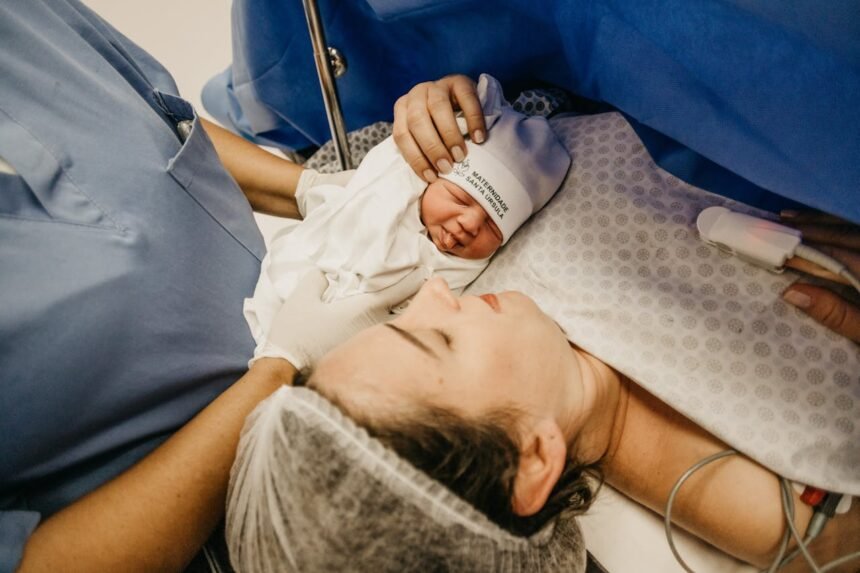
Bringing a new baby home is often portrayed as a moment of pure bliss, but the reality of the weeks following childbirth—often referred to as the fourth trimester—is a complex period of immense physical and emotional transition.
While your focus naturally shifts to your newborn, your body is undergoing a radical healing process. Whether you had a vaginal delivery or a caesarean section, the recovery timeline is significant. Organs move back into place, hormone levels drop dramatically, and tissues heal.
Understanding what is normal during this period is vital for your well-being. This guide covers the physical changes, symptom management, and mental health considerations you can expect during the first six weeks of postpartum recovery.
Overview: The Fourth Trimester
The postpartum period technically begins immediately after the delivery of the placenta and lasts for approximately six weeks. However, full recovery can take much longer.
During this time, your body reverses the physiological changes of pregnancy. This process involves uterine involution (the shrinking of the uterus), the healing of the placental site, and the restoration of normal blood volume and hormonal balance.
Recovery is not linear. You may have days where you feel energised, followed by days of exhaustion. This ebb and flow is entirely normal as your body adjusts to the demands of parenthood while simultaneously repairing major tissue trauma.
Physical Changes and Factors
Several biological factors drive the symptoms you will experience. Understanding the mechanics behind these changes can help you manage them more effectively.
Uterine Involution and Afterpains
Immediately after birth, your uterus is roughly the size of a grapefruit. Over the next six weeks, it must contract down to its pre-pregnancy size, a process known as involution.
You will likely feel these contractions as afterpains. They often resemble menstrual cramps but can be sharper, particularly during breastfeeding. This is because breastfeeding releases oxytocin, a hormone that triggers uterine contractions.
Lochia (Postpartum Bleeding)
Regardless of how you gave birth, you will experience vaginal discharge known as lochia. This is how your body sheds the lining of the uterus and blood from the placental site.
- Days 1–3 (Lochia Rubra): Bright red, heavy flow, may contain small clots.
- Days 4–10 (Lochia Serosa): Pinkish-brown, thinner consistency, lighter flow.
- Weeks 2–6 (Lochia Alba): Yellowish-white, creamy discharge.
If you notice you are soaking through more than one pad an hour or passing clots larger than a golf ball, contact your midwife or GP immediately, as this could indicate a secondary postpartum haemorrhage.
Perineal Healing and C-Section Scars
If you had a vaginal birth, your perineum (the area between the vagina and anus) may be swollen, bruised, or stitched due to tearing or an episiotomy. Healing generally takes two to three weeks for superficial wounds, but deep muscle repair can take longer.
For those who underwent a caesarean section, recovery is classified as major abdominal surgery. You will have an incision site that requires keeping clean and dry. Numbness or itching around the scar is common as nerves regenerate.
Hormonal Fluctuations
Once the placenta is delivered, your levels of oestrogen and progesterone crash. This rapid hormonal withdrawal, combined with sleep deprivation, is the primary driver of the “baby blues,” causing mood swings, anxiety, and tearfulness in roughly 80% of new mothers.
Timeline of Recovery
While every individual is different, this table outlines a general trajectory for the first six weeks.
| Timeline | Physical Symptoms | Management Focus |
|---|---|---|
| Week 1 | Heavy lochia, sore breasts, perineal pain or incision pain, swelling. | Rest, pain relief, establishing feeding, hygiene. |
| Week 2 | Bleeding turns pink/brown, stitches may itch, sweating (night sweats). | Gentle movement, hydration, incision checks. |
| Week 3 | Lochia lightens, “baby blues” should subside, energy may fluctuate. | Short walks, pelvic floor exercises (gentle). |
| Week 4 | Uterus returns to near normal size, bleeding may stop or spot. | Monitoring mood, increasing activity slightly. |
| Week 5 | Physical healing of tears/incisions mostly complete externally. | assessing sleep patterns, nutritional review. |
| Week 6 | Medical check-up, clearance for exercise/sex, uterus fully involuted. | Discussing contraception, checking for diastasis recti. |
Treatment and Symptom Management
Active management of your symptoms can speed up recovery and reduce discomfort. Do not try to “power through” pain.
Pain Relief
For perineal pain, cooling gel pads or ice packs wrapped in a cloth can reduce swelling. Sitz baths (soaking your bottom in warm water) can also provide relief and keep stitches clean.
Over-the-counter medication is generally safe. Paracetamol and ibuprofen are standard recommendations. If you are breastfeeding, reassure yourself that these are commonly used, but always check with your healthcare provider or pharmacist.
C-Section Care
If you are recovering from surgery, avoid lifting anything heavier than your baby. Hold a pillow over your incision when you cough, sneeze, or laugh to support the abdominal muscles (known as “splinting”). Keep the incision area dry to prevent infection.
According to the Mayo Clinic, it is crucial to manage pain effectively so you can stay mobile enough to prevent blood clots, a higher risk after surgery.
Breast Care
Whether you are breastfeeding or not, your milk will come in around day three or four. This can cause engorgement, where breasts feel hard, hot, and painful.
- If breastfeeding: Feed frequently and use warm compresses before feeding to assist milk flow.
- If not breastfeeding: Use cold compresses and wear a supportive bra. Avoid stimulating the nipples.
Watch for signs of mastitis, such as a red, hot wedge-shaped area on the breast accompanied by flu-like symptoms. This requires prompt medical attention. Organisations like La Leche League offer excellent resources for troubleshooting feeding issues.
Mental Health: Blues vs. Depression
It is essential to distinguish between the “baby blues” and Postpartum Depression (PPD). The blues are hormonal and typically resolve within two weeks. PPD is a serious mental health condition that can emerge anytime in the first year.
Symptoms of PPD include:
- Persistent sadness or hopelessness.
- Lack of interest in the baby.
- Changes in eating or sleeping habits (unrelated to the baby).
- Thoughts of harming yourself or the baby.
If your feelings of sadness persist beyond two weeks or interfere with your ability to care for yourself or your child, speak to your GP or health visitor. For more information, read this guide on Postpartum Depression to understand the warning signs.
Support is also available through charities like Mind and Tommy’s, which provide specialized advice for parents.
Practical Tips for Recovery
1. Prioritise Nutrition
Your body needs fuel to repair tissues. Focus on foods rich in iron (to replenish blood loss), protein (for muscle repair), and fibre. Constipation is common postpartum due to hormones and fear of tearing stitches. High-fibre foods and hydration are your best defence.
2. Pelvic Floor Rehabilitation
Pregnancy strains the pelvic floor muscles. Once you feel able—often within days of birth—you can begin gentle pelvic floor exercises (Kegels). This helps prevent incontinence and prolapse later in life. The Royal College of Obstetricians and Gynaecologists (RCOG) recommends starting these exercises early but gently.
3. Rest Strategically
The advice to “sleep when the baby sleeps” is cliché but rooted in necessity. If you cannot sleep, simply resting horizontally helps reduce swelling and takes pressure off your pelvic floor. Consider safer sleep guidelines from The Lullaby Trust if you are struggling with exhaustion.
4. Manage Visitors
Well-meaning family members can inadvertently cause stress. It is acceptable to limit visitors or ask them to help with household chores—like laundry or washing up—rather than just holding the baby while you host them.
When to Call a Doctor
While discomfort is normal, certain symptoms act as red flags. Seek immediate medical advice if you experience:
- Heavy bleeding: Soaking a pad in less than an hour.
- Fever: A temperature of 38°C or higher.
- Severe headache: Particularly if accompanied by vision changes (a sign of preeclampsia).
- Leg pain: Swelling or pain in one calf (potential deep vein thrombosis).
- Chest pain: Difficulty breathing.
- Foul-smelling discharge: A sign of uterine infection.
For specific details on what constitutes abnormal discharge, refer to the NCT guide on lochia.
The Bottom Line
Postpartum recovery is a marathon, not a sprint. The first six weeks are merely the acute phase of healing. Your body has performed an incredible feat, and it requires time, patience, and care to recover.
Be gentle with yourself. If something feels wrong—physically or emotionally—trust your instincts and reach out to your healthcare provider. Whether it is lingering pain or persistent sadness, you do not have to endure it alone.
Remember to attend your six-week postnatal check, which is a crucial opportunity to discuss your physical recovery, mental health, and contraception options. You can read more about what happens at this appointment on the Cleveland Clinic or NHS website.