You have likely heard the old adage that carrots help you see in the dark. While this may sound like an old wives’ tale, there is genuine scientific truth to the idea that your diet directly influences your vision.
Your eyes are complex organs that require a specific balance of vitamins, minerals, and antioxidants to function correctly. As we age, our susceptibility to conditions such as age-related macular degeneration (AMD), cataracts, and diabetic retinopathy increases significantly.
Fortunately, prioritising a nutrient-dense diet can help combat these risks. Research suggests that focusing on foods rich in antioxidants, omega-3 fatty acids, and specific minerals can preserve vision and promote long-term eye health.
Taking care of your vision is not just about prescriptions; it is about what you put on your plate. By incorporating specific whole foods into your daily routine, you can proactively protect one of your most vital senses.
This guide explores the best foods for eye health, the science behind them, and actionable tips for maintaining your vision.
What is the connection between diet and eye health?
Your eyes are vascular and highly energetic, meaning they require a constant supply of nutrients to repair tissues and combat stress. A primary threat to eye health is oxidative stress.
Oxidative stress occurs when there is an imbalance between free radicals—unstable molecules that damage cells—and antioxidants in your body. Over time, this damage contributes to the aging of the eye.
Key nutrients act as a shield against this damage. For instance, the Age-Related Eye Disease Study (AREDS), a major clinical trial sponsored by the National Eye Institute, identified that high levels of zinc, copper, vitamin C, vitamin E, and beta-carotene could significantly reduce the risk of AMD progression.
Furthermore, chronic inflammation is a known risk factor for various eye conditions. Anti-inflammatory foods, particularly those high in healthy fats, help maintain the structural integrity of the retina and tear production.
According to the NHS, maintaining a balanced diet is essential not just for general wellbeing, but specifically for preventing vitamin deficiencies that lead to issues like dry eyes or night blindness.
10 best foods for eye health
To optimise your vision, focus on incorporating a variety of these nutrient-dense foods into your weekly meal plan.
1. Oily Fish
Oily fish are the premier source of omega-3 fatty acids, specifically EPA and DHA. The retina contains a high concentration of DHA, which is critical for visual development and retinal function.
Insufficient levels of omega-3s have been linked to dry eye syndrome, a condition where the eye does not produce enough quality tears. Including fish like salmon, mackerel, tuna, or sardines can alleviate these symptoms. The British Dietetic Association recommends eating two portions of fish per week, one of which should be oily, to support general health and visual acuity.
2. Nuts and Legumes
If you follow a plant-based diet, nuts and legumes are excellent alternatives for essential fatty acids. Moreover, they are exceptionally high in vitamin E.
Vitamin E acts as a powerful antioxidant that protects the eye cells from unstable molecules. Regular consumption of walnuts, cashews, peanuts, and lentils can bolster your defences against age-related damage. Just a small handful of almonds can provide nearly half of your daily required vitamin E intake.
3. Seeds
Similar to nuts, seeds are powerhouses of nutrition. Chia seeds, flax seeds, and hemp seeds are rich in omega-3s and vitamin E.
Sprinkling these onto salads, porridge, or yoghurt is an easy way to boost your intake. They help combat inflammation and support the structural integrity of cellular membranes in the eye.
4. Citrus Fruits
Citrus fruits like oranges, lemons, and grapefruits are renowned for their vitamin C content. Like vitamin E, vitamin C is an antioxidant that fights free radical damage.
Studies suggest vitamin C is vital for the health of blood vessels in the eyes. It may also contribute to the prevention of cataracts. The Royal National Institute of Blind People (RNIB) highlights that antioxidant-rich diets are a key factor in slowing the progression of sight loss.
5. Leafy Green Vegetables
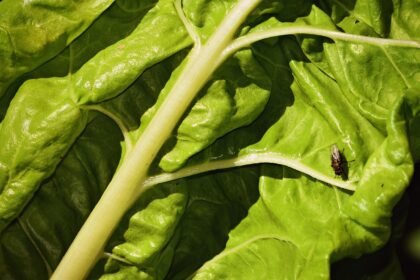
Leafy greens such as spinach, kale, and collard greens are packed with lutein and zeaxanthin. These are carotenoids that accumulate in the macula, the part of the retina responsible for central vision.
Think of lutein and zeaxanthin as internal sunglasses; they help filter harmful blue light and protect retinal cells. According to the Macular Society, eating these greens is one of the most effective ways to increase pigment density in the macula, offering robust protection against degeneration.
6. Carrots
Returning to the classic advice, carrots are indeed beneficial. They are loaded with beta-carotene, which the body converts into vitamin A.
Vitamin A is a component of a protein called rhodopsin, which helps the retina absorb light. This is crucial for seeing in low-light conditions. While carrots won’t correct refractive errors, they prevent vitamin A deficiency, a leading cause of preventable blindness worldwide.
7. Sweet Potatoes
Like carrots, sweet potatoes are rich in beta-carotene. They are also a good source of the antioxidant vitamin E.
A single sweet potato contains more than the daily recommended intake of vitamin A. Substituting standard potatoes for sweet potatoes is a simple swap that significantly boosts your eye-protective nutrient intake.
8. Beef
Lean beef is rich in zinc, a mineral that plays a vital role in bringing vitamin A from the liver to the retina to produce melanin, a protective pigment.
Zinc deficiency has been linked to poor night vision and cataracts. While meats like chicken and pork also contain zinc, beef typically offers a higher concentration. The Cochrane Library notes that zinc supplementation, often alongside antioxidants, is a key component in slowing AMD.
9. Eggs
Eggs are a complete package for eye health. The yolks contain vitamin A, lutein, zeaxanthin, and zinc.
The bioavailability of carotenoids in eggs is high, meaning your body can absorb them easily due to the fat content in the yolk. They safeguard the cornea and retina, reducing the risk of serious eye conditions later in life.
10. Water
While not a food, hydration is critical. The eye is filled with fluid, and dehydration can lead to dry, irritated, and red eyes.
Drinking adequate water ensures that your eyes can produce sufficient tears to remain lubricated and clear of debris.

Nutrient breakdown for vision
The following table compares key nutrients, their primary benefits, and their best food sources.
| Nutrient | Primary Benefit | Top Food Sources |
|---|---|---|
| Vitamin A | Essential for low-light vision and corneal health. | Carrots, sweet potatoes, liver. |
| Vitamin C | Reduces cataract risk; supports blood vessels. | Oranges, strawberries, peppers. |
| Vitamin E | Protects cells from free radical damage. | Almonds, sunflower seeds, avocados. |
| Lutein & Zeaxanthin | Filters harmful blue light; protects the macula. | Spinach, kale, egg yolks. |
| Zinc | Transports vitamin A to the retina; produces melanin. | Beef, pumpkin seeds, chickpeas. |
| Omega-3s | Supports retinal structural integrity; prevents dry eye. | Salmon, mackerel, flaxseeds. |
Tips for maintaining eye health
Diet is a cornerstone of vision care, but it works best when combined with a healthy lifestyle. According to Healthline, adopting a holistic approach is necessary for long-term protection.
- Quit smoking: Smoking drastically increases the production of free radicals, elevating the risk of cataracts and AMD.
- Manage blood sugar: High blood sugar can damage the tiny blood vessels in the retina. Diabetes UK warns that consistent monitoring is vital to prevent diabetic retinopathy.
- Wear sunglasses: UV radiation accelerates eye aging. Ensure your glasses block 99% to 100% of UVA and UVB rays.
- Use the 20-20-20 rule: If you work at a computer, every 20 minutes, look at something 20 feet away for 20 seconds to reduce strain.
- Regular checkups: Visit an optician every two years. Experts at Moorfields Eye Hospital emphasise that early detection is often the only way to prevent irreversible damage from conditions like glaucoma.
Frequently Asked Questions
Can supplements replace a healthy diet for eyes?
While supplements like the AREDS2 formulation are helpful for those with existing macular degeneration, whole foods provide a broader range of nutrients and better absorption for the general population.
Does blue light from screens damage eyes permanently?
Current research is mixed regarding permanent damage, but blue light contributes significantly to digital eye strain. Foods rich in lutein can help filter blue light naturally.
Can failing eyesight be reversed by diet?
Diet cannot cure refractive errors like myopia (short-sightedness) or hyperopia (long-sightedness). However, a good diet can prevent or slow the progression of degenerative diseases that cause blindness.
Are frozen vegetables as good as fresh?
Yes. Frozen vegetables are often frozen immediately after harvest, preserving their nutrient content, including essential vitamins for eye health.
The bottom line
Your eyes are resilient, but they require consistent nutritional support to function optimally throughout your life. A diet rich in fruits, vegetables, healthy fats, and lean proteins provides the antioxidants and minerals necessary to ward off degeneration.
Start by making small changes: add a portion of oily fish to your dinner rotation, snack on nuts instead of crisps, or add a handful of spinach to your morning smoothie.
While eating well is powerful, it is not a substitute for professional care. Regular eye examinations are the most effective tool for catching issues early. For further reading on managing eye conditions through lifestyle, resources like Fight for Sight offer valuable research and support.
Prioritise your plate today to protect your vision for tomorrow.