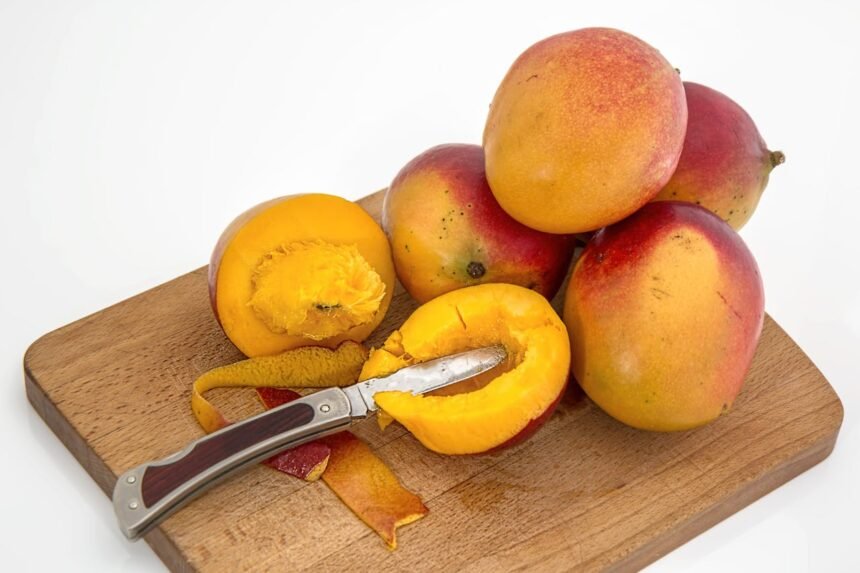
Mangoes are often affectionately termed the ‘king of fruits’, and for good reason. Beyond their vibrant colour and sweet, tropical flavour, they offer a remarkable nutritional profile that can support your overall well-being. Whether you are looking to boost your immune system or simply add more variety to your meal plan, mangoes are an incredibly versatile ingredient.
However, we understand that incorporating sweet fruits into a balanced diet can sometimes feel confusing. You might worry about sugar content or struggle to find ways to use the fruit beyond simply slicing it up as a snack. The good news is that mangoes can be part of a healthy lifestyle when consumed in moderation. They count towards your 5 A Day target, helping you meet essential nutrient requirements with ease.
In this article, we explore the science behind the fruit and provide seven nutritious, chef-inspired recipes to help you enjoy mangoes healthily. From savoury dinners to refreshing breakfasts, these ideas are designed to be simple, delicious, and good for you.
What Makes Mangoes a Superfood?
Mangoes are not just delicious; they are a nutritional powerhouse. Originating in South Asia, they have been cultivated for over 4,000 years and are now enjoyed globally. One of the primary reasons health experts recommend mangoes is their high vitamin content.
A single serving of mango provides a significant amount of Vitamin C, which is vital for immune function and skin health. Additionally, mangoes are rich in Vitamin A and folate. Perhaps most impressively, they contain polyphenols—plant compounds that function as antioxidants.
Key Nutritional Highlights:
- Rich in Fibre: Supports healthy digestion.
- High in Antioxidants: Contains mangiferin, which may protect cells from damage.
- Vitamin C Powerhouse: Aids in iron absorption and immunity.
According to Healthline, the antioxidants found in mangoes are linked to reduced inflammation. Furthermore, the fibre content helps to promote fullness, making it easier to manage your appetite throughout the day. For those concerned about blood sugar, the fibre also helps to slow down the absorption of sugar into the bloodstream.
Understanding the nutritional density of this fruit allows you to appreciate it as more than just a sweet treat. It is a functional food that, when prepared correctly, serves your body’s needs.
7 Nutritious Ways to Add Mango to Your Diet
Here are seven healthy mango recipes designed to maximise flavour while keeping nutrition in check. These recipes balance the natural sugars of the fruit with healthy fats, proteins, and fibre.
1. Zesty Mango and Avocado Salad
This salad is the perfect combination of creamy and crunchy textures. By pairing mango with avocado, you introduce heart-healthy monounsaturated fats which help your body absorb the fat-soluble vitamins (like Vitamin A) found in the mango.
- Ingredients: 1 ripe mango (cubed), 1 ripe avocado (sliced), mixed salad greens, red onion (finely sliced), lime juice, olive oil.
- Method: Toss the greens, mango, avocado, and onion in a large bowl. Whisk lime juice and a teaspoon of olive oil together, then drizzle over the salad just before serving.
- Why it works: The healthy fats from the avocado help manage cholesterol levels, while the greens add volume and fibre.
2. Tropical Turmeric and Mango Smoothie
Start your morning with an anti-inflammatory boost. This smoothie avoids added sugars, relying solely on the fruit for sweetness.
- Ingredients: 1/2 cup frozen mango chunks, 1/2 banana, 1/2 teaspoon turmeric powder, a pinch of black pepper, 200ml almond milk.
- Method: Blend all ingredients until smooth. The black pepper is crucial as it enhances the absorption of curcumin, the active compound in turmeric.
- Why it works: Turmeric provides anti-inflammatory benefits, and using frozen fruit creates a thick, ice-cream-like texture without the need for dairy cream.
3. Grilled Mango with Chilli and Lime
Grilling fruit caramelises its natural sugars, creating a deep, complex flavour without adding refined sugar. This makes for an excellent side dish at barbecues.
- Ingredients: Firm mango cheeks, chilli powder, sea salt, lime wedges.
- Method: Preheat a grill pan. Place mango cheeks flesh-side down for 3-4 minutes until char marks appear. Sprinkle with chilli and salt, then squeeze fresh lime juice over the top.
- Why it works: This mimics the satisfaction of a dessert but is actually a low-calorie side. The chilli contains capsaicin, which may boost metabolism.
4. Overnight Mango Chia Pudding
This is a fantastic meal-prep option for busy mornings. Chia seeds expand in liquid to create a gel-like consistency that is incredibly satiating.
- Ingredients: 3 tablespoons chia seeds, 150ml coconut milk (light), 1/2 mango (pureed or chopped), vanilla extract.
- Method: Mix chia seeds, milk, and vanilla in a jar. Let it sit in the fridge overnight. Top with fresh mango in the morning.
- Why it works: Chia seeds are an excellent plant-based source of Omega-3 fatty acids. This recipe aligns well with plant-based diets and provides sustained energy.
5. Spicy Prawn and Mango Stir-Fry
Mango works surprisingly well in savoury dishes. Its sweetness balances the heat of spicy peppers and the saltiness of soy sauce.
- Ingredients: 150g raw king prawns, 1 firm mango (cubed), red pepper (sliced), snap peas, ginger, garlic, soy sauce, sesame oil.
- Method: Stir-fry the prawns, ginger, and garlic in sesame oil until pink. Add the vegetables and cook for 2 minutes. Toss in the mango right at the end to warm through without turning mushy.
- Why it works: This is a high-protein, low-carb dinner option. The protein in the prawns helps to stabilise blood glucose, preventing the sugar spike that might occur if eating fruit alone.
6. Fresh Mango and Black Bean Salsa
Commercial salsas are often loaded with sodium and preservatives. Making your own takes minutes and is far healthier.
- Ingredients: 1 mango (diced small), 1 can black beans (rinsed and drained), jalapeño (minced), coriander (chopped), red onion, lime juice.
- Method: Combine all ingredients in a bowl. Let it sit for 15 minutes to allow the flavours to meld.
- Why it works: Black beans add significant fibre and protein. This salsa is perfect for scooping with cucumber slices or serving over grilled chicken.
7. Frozen Mango and Yoghurt Bark
Craving ice cream? This frozen bark is a calcium-rich alternative that feels indulgent but is nutritionally dense.
- Ingredients: 500g Greek yoghurt (plain), 1 mango (diced), a handful of desiccated coconut.
- Method: Spread the yoghurt onto a baking tray lined with parchment paper. Scatter the mango and coconut on top. Freeze for 4 hours, then snap into shards.
- Why it works: Greek yoghurt is essential for bone health due to its high calcium and protein content.
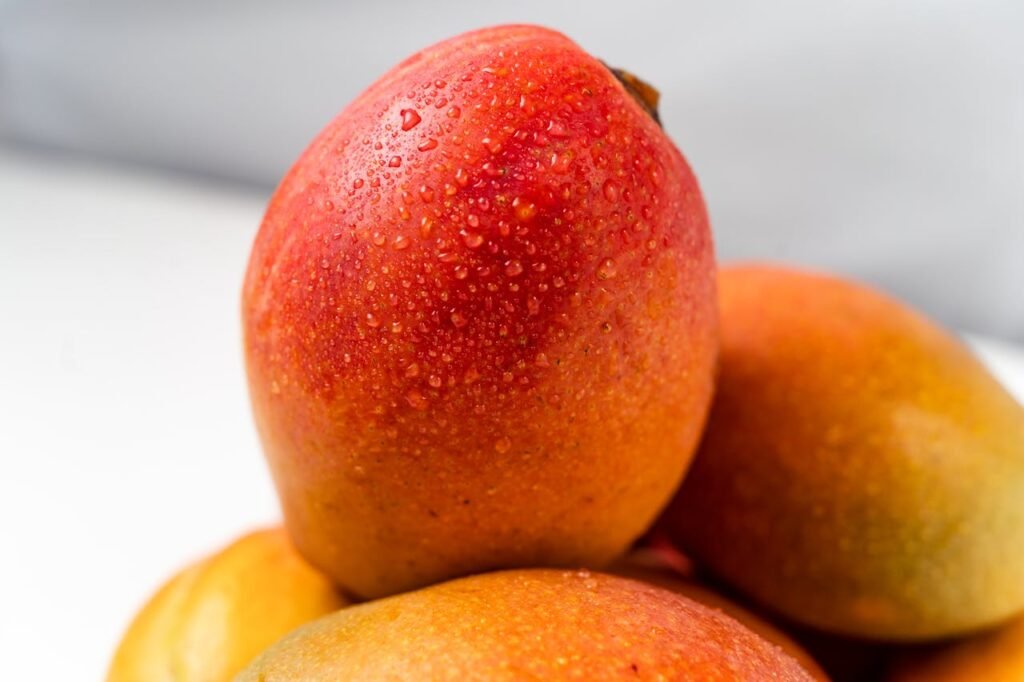
Comparison: Fresh vs. Dried vs. Frozen Mango
When choosing your ingredients, the form of mango matters. Here is a breakdown of how they compare:
| Form | Pros | Cons | Best Uses |
|---|---|---|---|
| Fresh | Highest Vitamin C; best texture and flavour. | Can be difficult to peel; short shelf life. | Salads, salsas, snacking. |
| Frozen | Picked at peak ripeness; retains nutrients; convenient. | Texture becomes soft upon thawing. | Smoothies, sorbets, cooking. |
| Dried | Portable; energy-dense; long shelf life. | Concentrated sugar; lower Vitamin C; often has added sulphites. | Hiking snacks, baking topping. |
It is important to note that dried fruit is much more calorie-dense than fresh fruit. Portion control is key when consuming dried mango.
Frequently Asked Questions
Can I eat the skin of a mango?
While mango skin is technically edible and contains high levels of antioxidants, it also contains urushiol, a compound found in poison ivy. This can cause allergic reactions in some people. Furthermore, the skin is tough and often bitter. For the best experience, we recommend peeling the fruit. For tips on preparation, you can consult BBC Good Food.
Is mango too high in sugar for a healthy diet?
Mangoes do contain natural sugars (fructose). However, unlike refined sugar found in cakes or sweets, the sugar in mango comes packaged with fibre, vitamins, and minerals. The fibre helps regulate the absorption of sugar. If you are monitoring your intake, stick to a portion size of about 80g (one cheek).
How do I ripen a hard mango quickly?
If your mango is rock hard, place it in a paper bag with a banana or apple at room temperature. These fruits release ethylene gas, which speeds up the ripening process. To prevent food waste, once it is ripe, move it to the fridge to prolong its life. For more tips on reducing waste, visit Love Food Hate Waste.
Are canned mangoes healthy?
Canned mangoes can be healthy, provided they are canned in natural juice or water rather than heavy syrup. Syrup adds unnecessary refined sugar and calories. Always read the label before purchasing.
The Bottom Line
Mangoes are a nutritious addition to almost any diet. They offer a wealth of vitamins, minerals, and antioxidants that support immune health and digestion. By using the recipes above, you can enjoy the sweet flavour of mango without relying on processed desserts.
Remember that balance is key. Pairing mango with proteins and healthy fats, such as yoghurt, nuts, or avocado, creates a more satisfying meal that sustains your energy levels. Whether you prefer it grilled, blended, or fresh, this tropical fruit is a delicious way to nourish your body.