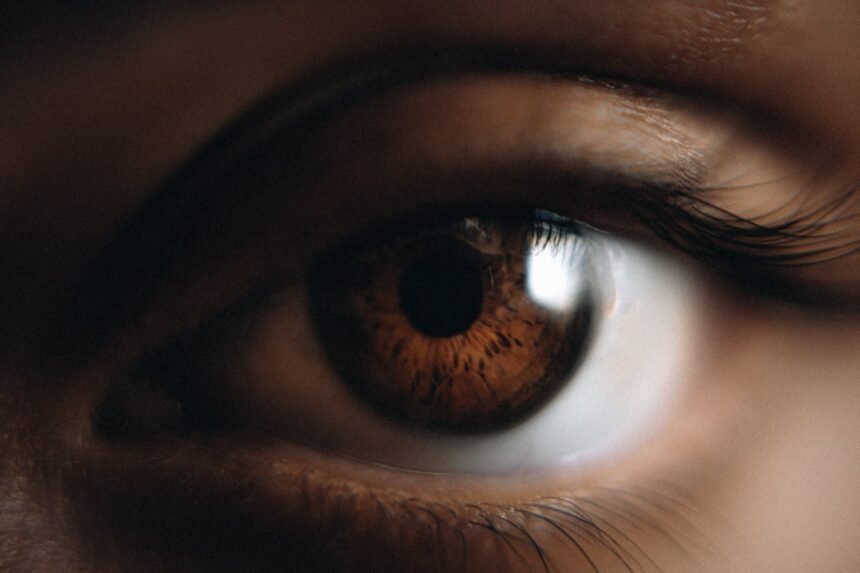
It is a scenario most of us recognise all too well. You have been sitting at your desk for hours, staring intently at a glowing monitor. Perhaps you are finalising a report, scrolling through social media, or binge-watching a new series.
Suddenly, you realise your eyes feel dry, gritty, and incredibly heavy. You might even notice a dull thumping starting in your temples.
In our increasingly digital world, screen time has become unavoidable. From smartphones to laptops, our eyes are constantly fixated on pixels.
This prolonged focus often leads to a condition known as digital eye strain, or computer vision syndrome. While modern technology has revolutionised how we work and play, it demands a physical toll that we often overlook until discomfort sets in.
Fortunately, you do not need to abandon your devices to find relief. There is a simple, effective strategy recommended by eye care professionals worldwide to help prevent eye fatigue.
It is called the 20-20-20 rule. By incorporating this easy habit into your daily routine, you can significantly reduce the strain on your eyes and maintain better visual health throughout the day.
What is the 20-20-20 rule?
The 20-20-20 rule is a straightforward method designed to alleviate the stress placed on your visual system during long periods of near-work.
When you stare at a screen, your eye muscles must work continuously to maintain focus. Furthermore, studies show that we tend to blink significantly less often when looking at digital devices, leading to dryness and irritation.
The rule breaks down as follows:
- Every 20 minutes: Take a pause from your screen.
- Look at something 20 feet away: In metric terms, this is approximately 6 metres.
- For 20 seconds: Hold that gaze to allow your eye muscles to fully relax.
Why 20 seconds?
Optometrists suggest that it takes roughly 20 seconds for your eyes to completely relax after intense focus. This short duration allows the focusing muscle inside the eye, known as the ciliary body, to release its contraction.
Think of it as stretching your legs after a long flight; your eyes need that same release of tension.
Why 20 feet (6 metres)?
Looking into the distance puts your eyes in a state of ‘infinity focus’. This is the resting position for your eyes.
When you look at something close up, your eyes must ‘accommodate’ (focus) and converge (turn inwards). Looking 20 feet away disengages this system, giving your eyes a much-needed break.
According to the College of Optometrists, regular breaks are essential for maintaining long-term eye comfort and health.
Symptoms of digital eye strain
If you are wondering whether you need to implement this rule, consider your current physical state after a workday.
Digital eye strain is not a single condition but a collection of symptoms related to the use of screens. While usually temporary, these symptoms can be persistent and unpleasant if not addressed.
Common signs that you need to prevent eye fatigue include:
- Sore, tired, or burning eyes: A feeling of heaviness is common.
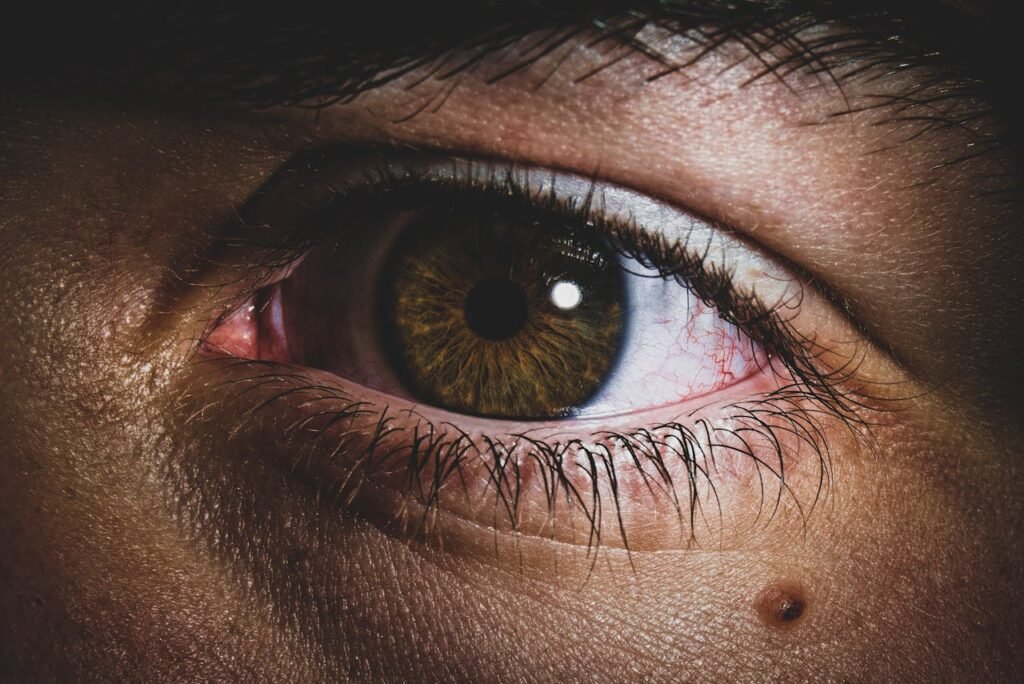
- Watery or dry eyes: Reduced blinking disrupts the tear film.
- Blurred or double vision: Difficulty focusing after looking away from the screen.
- Headaches: Often centred behind the eyes or at the temples.
- Sore neck, shoulders, or back: Caused by leaning in toward the screen.
- Increased sensitivity to light: Indoor lighting may suddenly feel too harsh.
If you experience these regularly, you are certainly not alone. The NHS states that eye strain is a common occurrence but rarely leads to permanent damage if managed correctly.
How to use the rule effectively
Understanding the rule is easy; remembering to do it is the challenge.
When we are hyper-focused on a task, time can slip away. Suddenly, two hours have passed without a single break. To effectively prevent eye fatigue, you must be proactive.
1. Set a timer
Reliability is key. Use the alarm on your phone or a dedicated browser extension to nudge you every 20 minutes.
There are various apps available that will dim your screen or send a pop-up notification reminding you to look away. Eventually, this will become a subconscious habit.
2. Identify a distant object
If you work in a small office or a cubicle, finding a spot 20 feet away might seem difficult.
- Look out of a window: This is often the best option as it usually provides the necessary distance.
- Look down a hallway: If you are in an open-plan office, focus on a clock or a plant at the far end of the room.
- Use a mirror: If you are in a tiny room, looking into a mirror effectively doubles the viewing distance to the reflected objects.
3. While you look away, blink
While focusing on your distant object, make a conscious effort to blink slowly and deliberately.
Blinking acts as a windscreen wiper for your eyes. It spreads fresh tears across the cornea, keeping the surface smooth and clear. This is crucial for combating the dryness associated with computer vision syndrome.
Beyond 20-20-20: Tips to prevent eye fatigue
While the 20-20-20 rule is a powerful tool, it works best when combined with other ergonomic and lifestyle adjustments. Optimising your environment can drastically reduce the load on your visual system.
Adjust your lighting
Eye strain is often caused by excessively bright light, either from outdoor sunlight coming through a window or harsh interior lighting.
Ensure your ambient lighting is about half as bright as that typically found in most offices. Reduce glare by closing curtains or shades.
According to the Health and Safety Executive (HSE), checking for reflections on your screen is a vital part of a workspace assessment.
Monitor positioning
Ergonomics play a massive role in eye comfort.
- Distance: Your screen should be about an arm’s length away (roughly 50 to 70 cm).
- Height: The top of the screen should be at or slightly below eye level. This ensures you are looking slightly downwards, which covers more of the eye with the eyelid, reducing evaporation.
Combat dry air
Central heating and air conditioning can strip moisture from the air, exacerbating dry eyes.
Consider using a humidifier in your workspace to maintain optimal humidity levels. If you wear contact lenses, consider switching to glasses during long computer sessions to reduce dryness.
Stay hydrated
Dehydration can affect tear production. Keeping a bottle of water at your desk serves a dual purpose: it keeps you hydrated, and it forces you to take bathroom breaks, which naturally gets you away from the screen.
Regular eye examinations
Routine check-ups are non-negotiable. An optometrist can detect issues that you might not notice yourself.
You may need a specific prescription for computer use, distinct from your driving or reading glasses. Organisations like the Association of Optometrists provide excellent guidance on workplace eye care standards in the UK.
Comparison: Eye Strain Factors vs. Solutions
The following table outlines the primary contributors to eye fatigue and how the 20-20-20 rule helps mitigate them.
| Factor causing strain | Mechanism of action | How 20-20-20 helps |
|---|---|---|
| Continuous Focus | Ciliary muscles remain contracted for long periods to keep close objects sharp. | Looking 20 feet away relaxes the ciliary muscles, resetting the focus mechanism. |
| Reduced Blinking | Blink rate drops from ~15 times/min to ~5 times/min during screen use. | The 20-second break provides a conscious opportunity to blink and re-wet the eyes. |
| Blue Light Exposure | High-energy visible light can scatter, reducing contrast and forcing eyes to work harder. | Taking breaks reduces total cumulative exposure and allows eyes to recover from glare. |
| Static Posture | Staring at a fixed point often leads to neck and shoulder rigidity. | Looking away often prompts a change in head position, relieving neck tension. |
| Screen Glare | Reflections create visual noise that the brain must filter out. | shifting gaze to a non-glowing object gives the brain’s visual processing centre a rest. |
Frequently Asked Questions
Can screen use cause permanent eye damage?
Generally, digital eye strain is temporary and does not cause permanent damage to the eye structure. However, chronic strain can lead to significant discomfort and reduced productivity. Some research is ongoing regarding the long-term effects of blue light, but current consensus focuses on symptom management.
Is the 20-20-20 rule suitable for children?
Absolutely. With children spending more time on tablets for school and leisure, they are equally susceptible to strain. Teaching them this habit early can protect their vision. The BBC has reported on the rising concerns regarding children’s screen time and eye health.
Do I need special ‘computer glasses’?
Not everyone needs them, but they can be helpful. These glasses often have anti-reflective coatings and a slight tint to improve contrast. If you suffer from persistent strain despite using the 20-20-20 rule, consult your optician. Moorfields Eye Hospital suggests investigating underlying causes like dry eye syndrome before purchasing expensive eyewear.
Does the 20-20-20 rule work for reading books too?
Yes. While screens are harsher due to backlighting and glare, reading print for hours also requires sustained near-focus. The rule is effective for any intense near-work task, including sewing or drawing.
The Bottom Line
Our reliance on digital devices is unlikely to decrease, but that does not mean we must accept discomfort as the price of modern life.
The 20-20-20 rule is a scientifically grounded, accessible, and free method to prevent eye fatigue. By prioritising these micro-breaks, you allow your eyes to rest, rehydrate, and reset.
Remember, your eyes are complex organs that require care. If symptoms persist despite your best efforts, it is vital to seek professional advice.
Resources like RNIB and Fight for Sight offer extensive information on maintaining optimal eye health.
Start today. Set your timer, look into the distance, and give your eyes the break they deserve. Your vision is worth the 20 seconds.
Note: This article is for informational purposes only and does not constitute medical advice. Always consult a healthcare professional for eye concerns.