Following a ketogenic diet often requires a radical rethink of your plate. When you drastically reduce carbohydrates to enter the metabolic state of ketosis, staples like pasta, rice, and potatoes are immediately removed from the menu. For many, this leaves a culinary void that can be difficult to fill.
Enter cauliflower. Once dismissed as the bland, paler cousin of broccoli, this cruciferous vegetable has experienced a meteoric rise in popularity, largely driven by the low-carb community. It is no longer just a side dish boiled into submission; it is a culinary chameleon.
But why exactly is the pairing of cauliflower keto friendly? Is it strictly about the carbohydrate count, or are there deeper nutritional benefits? This article explores the science, versatility, and health advantages of making cauliflower a staple of your ketogenic lifestyle.
Nutritional Profile: The Keto Mathematics
To understand why cauliflower is essential, one must look at the macronutrient breakdown. On a keto diet, your aim is typically to keep net carbohydrates (total carbs minus fibre) under 20–50 grams per day.
According to the USDA FoodData Central, a 100-gram serving of raw cauliflower contains:
- Calories: 25
- Total Carbohydrates: 5 grams
- Dietary Fibre: 2 grams
- Net Carbohydrates: 3 grams
- Protein: 2 grams
- Fat: 0.3 grams
The Importance of Net Carbs
Because cauliflower is high in fibre, the body does not digest and absorb all of its carbohydrates. This results in a very low “net carb” impact, meaning you can consume a substantial volume of food without spiking your blood sugar or insulin levels—the two primary enemies of ketosis.
Compare this to white rice, which contains roughly 28 grams of carbohydrates per 100 grams. Replacing rice with cauliflower reduces your carbohydrate intake by nearly 90%, making it mathematically easier to stay within your daily limits while still feeling satiated.
Micronutrient Density
A common pitfall of the keto diet is “dirty keto”, where individuals focus solely on macros while ignoring micronutrients. Cauliflower bridges this gap. It is rich in:
- Vitamin C: Essential for immune function and collagen synthesis.
- Vitamin K: Crucial for blood clotting and bone metabolism.
- Folate (B9): Vital for cell growth and DNA formation.
- Potassium: An electrolyte often depleted during the initial stages of ketosis.
Health Benefits Beyond Low Carbs
While the low carbohydrate count is the primary draw, the health benefits of cauliflower extend far beyond macros.
1. High in Antioxidants
Cauliflower is a member of the Brassica family, known for containing potent antioxidants. It is particularly high in glucosinolates and isothiocyanates.
Research suggests that these compounds may help slow the growth of cancer cells and reduce inflammation in the body. Given that many people adopt a keto diet to manage systemic inflammation, adding cruciferous vegetables supports this goal biologically.
2. Supports Detoxification
The sulphur-containing compounds in cauliflower support the liver’s detoxification phases. This is particularly relevant for those shifting their metabolism from burning glucose to burning fat, a process that can liberate stored toxins from adipose tissue.
3. Rich in Choline
Choline is a nutrient that many people are deficient in. It plays a major role in maintaining the integrity of cell membranes, synthesising DNA, and supporting metabolism.
According to the National Institutes of Health (NIH), choline is also vital for brain development and neurotransmitter synthesis. One cup of cauliflower provides roughly 11% of the daily adequate intake for choline.
4. Digestive Health
The fibre content in cauliflower feeds the healthy bacteria in your gut. A healthy microbiome is linked to lower inflammation and better weight management.
Furthermore, adequate fibre intake is crucial on a keto diet to prevent constipation, a common side effect when grains are eliminated. The Mayo Clinic emphasises that dietary fibre is essential for normalising bowel movements.
Why It Is the Ultimate Substitute
The psychological aspect of dieting is just as important as the biological one. Deprivation often leads to diet failure. Cauliflower’s neutral flavour and unique texture allow it to mimic high-carb favourites, helping you adhere to the diet long-term.
The Texture Factor
When processed correctly, cauliflower can replicate the grain of rice, the creaminess of mashed potatoes, or the chewiness of a pizza base. This versatility prevents “palate fatigue,” where dieters become bored with eating plain meat and leafy greens.
| High-Carb Original | Cauliflower Substitute | Carb Savings (approx per serving) |
|---|---|---|
| Mashed Potatoes | Mashed Cauliflower with Butter | ~30g Net Carbs |
| White Rice | Riced Cauliflower | ~40g Net Carbs |
| Wheat Pizza Base | Cauliflower Crust | ~25g Net Carbs |
| Macaroni Cheese | Cauliflower Cheese | ~35g Net Carbs |
How to Incorporate Cauliflower (Treatment & Management)
Preparing cauliflower for a keto diet is simple, but technique matters to ensure the texture is palatable. Here are the most effective ways to manage your carb intake using this vegetable.
1. Cauliflower Rice
This is the cornerstone of cauliflower keto cooking.
- Preparation: Grate fresh cauliflower florets or pulse them in a food processor until they resemble grains of rice.
- Cooking: Sauté in a large pan with olive oil or butter for 5–8 minutes.
- Tip: Do not add water. Cauliflower releases moisture as it cooks; steaming it will make it mushy. Sautéing evaporates the excess moisture, resulting in a fluffy texture closer to real rice.
2. Keto Mash
This is a comfort food staple.
- Preparation: Steam the florets until they are very tender.
- Processing: Place the hot cauliflower in a blender or food processor. Add butter, double cream, salt, and pepper.
- Tip: For an ultra-smooth mash, squeeze the cooked cauliflower in a cheesecloth to remove excess water before blending. This prevents the mash from becoming watery.
3. Cauliflower Steaks
For a hearty main course, slice the whole head of cauliflower into thick, vertical slabs.
- Cooking: Brush with oil and roast at 200°C (400°F) until golden brown and caramelised. The Maillard reaction gives the vegetable a nutty, savoury flavour that pairs well with steak or fish.
4. Pizza Crusts
Combining riced cauliflower with egg and mozzarella creates a dough that can be baked into a pizza base. While labour-intensive, it allows for a slice of pizza that fits within keto macros.
For more ideas on low-carb swaps, you can check out this guide on Healthline.
Potential Drawbacks and Considerations
While cauliflower is a superfood, it may not be suitable for everyone in unlimited quantities.
Digestive Issues and FODMAPs
Cauliflower contains complex carbohydrates called FODMAPs (specifically mannitol). For individuals with Irritable Bowel Syndrome (IBS) or sensitive guts, these fermentable sugars can cause bloating and gas.
According to Monash University, the leaders in FODMAP research, cauliflower is considered high-FODMAP. If you experience discomfort, you may need to limit your portion sizes.
Thyroid Function
Cruciferous vegetables contain goitrogens, compounds that can interfere with thyroid function if iodine intake is low. However, cooking the vegetable significantly reduces goitrogenic activity. Unless you have a pre-existing thyroid condition and are eating massive amounts of raw cauliflower, this is rarely a concern for the general population.
Vitamin K Interactions
Because cauliflower is high in Vitamin K, sudden increases in consumption can affect how blood-thinning medications (like Warfarin) work. According to the NHS, consistency in your intake of green vegetables is key if you are on anticoagulants.
Practical Tips for Buying and Storing
To get the most out of your cauliflower, follow these selection and storage tips:
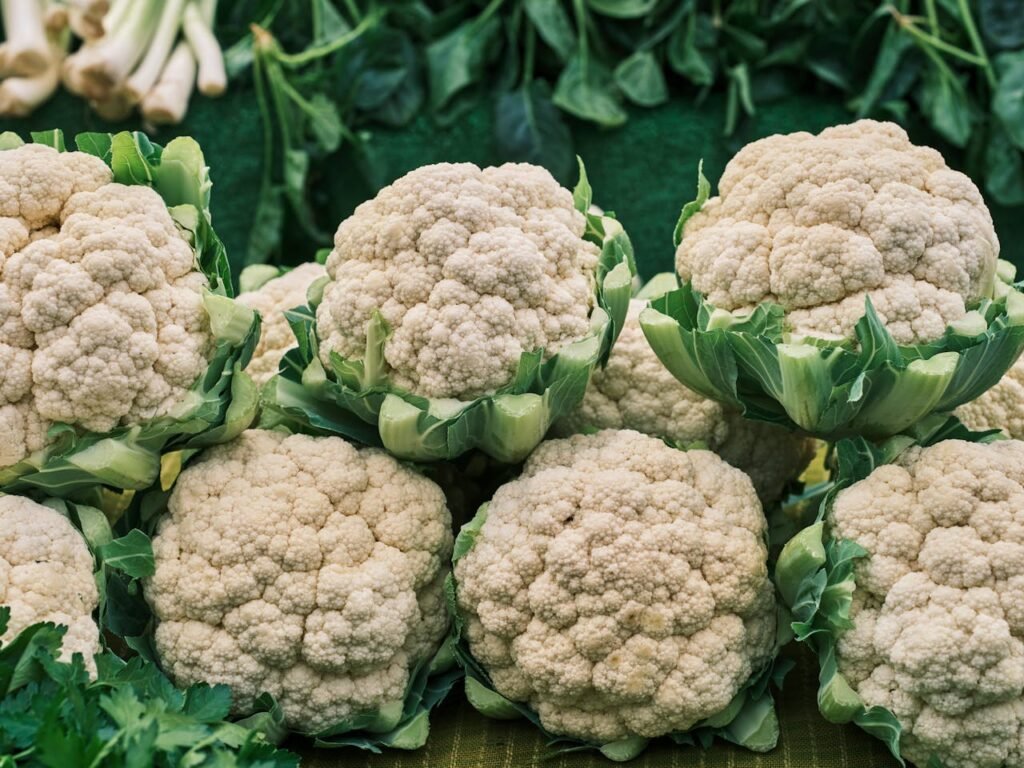
- Selection: Look for heads that are creamy white with tightly packed florets. Avoid heads with brown spots or loose, flowering sections. The leaves should be fresh and green, not wilted.
- Storage: Store unwashed cauliflower in a plastic bag in the refrigerator drawer. It can last for up to one week. Once cut or riced, it should be used within 2–3 days as sulphur compounds begin to break down, creating a strong odour.
- Frozen vs. Fresh: Frozen cauliflower is a convenient option and retains most nutrients. However, frozen cauliflower tends to hold more water, making it better suited for smoothies or soups rather than roasting.
The Bottom Line
Cauliflower is more than just a vegetable; it is a functional tool that makes the ketogenic diet sustainable and nutritionally sound.
By providing volume and satiety for very few calories, it helps manage weight loss. By offering a neutral base for recipes, it satisfies cravings for high-carb comfort foods. Most importantly, it delivers essential vitamins, minerals, and antioxidants that protect your long-term health while you navigate the metabolic shift of ketosis.
Whether you are roasting it, ricing it, or mashing it, including cauliflower keto recipes in your weekly meal plan is a scientifically supported strategy for low-carb success.
If you are new to the diet, consult resources like Diabetes UK to ensure you are balancing your plate correctly. Ultimately, the best diet is one you can stick to, and cauliflower makes sticking to keto significantly easier.