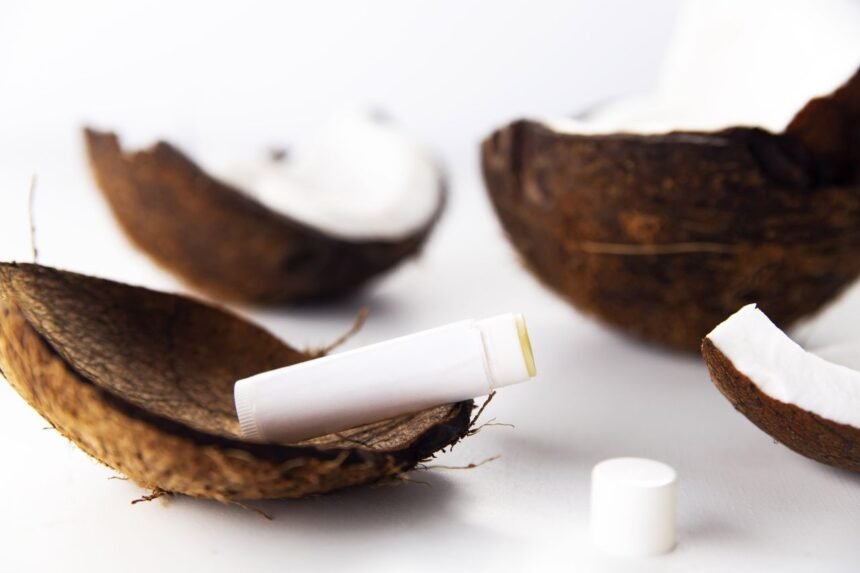
In the search for cleaner, chemical-free lifestyle products, many people are turning their attention to the bedroom. The question ‘is coconut oil lube safe?’ has become increasingly common among those seeking natural lubricant alternatives to traditional drugstore brands. Whether you are dealing with sensitivity issues, dryness, or simply prefer organic ingredients, understanding the benefits and risks of using coconut oil as a personal lubricant is essential for your sexual health.
While coconut oil is a staple in kitchens and beauty routines—often praised in articles covering topics like A Detailed Look at Raw Coconut Meat Nutrition and Health Facts—its application in intimate areas requires a nuanced understanding of biology and chemistry. This guide explores the safety, efficacy, and potential drawbacks of using coconut oil lube.
Overview: The Rise of Natural Lubrication
Conventional lubricants often contain preservatives, glycerin, and parabens, which can cause irritation for some individuals. Coconut oil, specifically unrefined virgin coconut oil, offers a preservative-free, hypoallergenic option that is widely available and cost-effective. It is thick, longer-lasting than water-based options, and doubles as a moisturiser.
However, ‘natural’ does not always mean suitable for every situation. Just as you might research The Strength and Durability of Coconut Fiber Rope in Gardening before a project, you must assess if coconut oil suits your body’s specific physiology. The skin of the vulva and the internal vaginal tissue are highly absorbent and sensitive to pH changes.
Benefits of Using Coconut Oil as Lube
1. Moisturising Properties
For those experiencing vaginal dryness—a condition that can affect women of all ages but is particularly prevalent during menopause—coconut oil creates a protective barrier that retains moisture. Unlike water-based lubricants that can evaporate quickly, oil-based lubricants vs water-based ones provide sustained slickness, reducing friction and discomfort during intercourse.
2. Antimicrobial Potential
One of the most cited benefits of coconut oil is the antifungal properties of lauric acid. Approximately 50% of the fatty acids in coconut oil are lauric acid, which has been shown to combat certain pathogens. While this does not replace medical treatment, some users find it helpful for maintaining general skin health, similar to the soothing effects discussed in Managing Your Symptoms: Using Coconut Oil Psoriasis Treatments.
3. Hypoallergenic Nature
For individuals prone to lubricant allergies, specifically reactions to propylene glycol or chlorhexidine found in commercial gels, pure coconut oil is often a safer bet. It is free from synthetic fragrances and masking agents. If you have sensitive skin, this single-ingredient solution eliminates the guesswork of reading complex chemical labels.
Critical Safety Warning: Condoms and Contraception
This is the most critical section of this guide. If you rely on latex condoms for contraception or STI protection, you cannot use coconut oil lube.
Latex Condom Compatibility
Oils, including coconut oil, mineral oil, and massage lotions, degrade latex almost instantly. The oil causes the latex to disintegrate, leading to microscopic tears or total breakage, which renders the condom useless against pregnancy and sexually transmitted infections. The Centers for Disease Control and Prevention (CDC) explicitly warns against using oil-based lubricants with latex condoms.
If you prefer coconut oil lube, you must use polyurethane condoms or nitrile condoms, which are oil-resistant. Alternatively, if you are in a monogamous relationship and using other forms of birth control (like the pill or IUD), coconut oil is generally safe to use.
Vaginal Health: pH and Flora
The vagina is a self-cleaning organ with a delicate ecosystem. Maintaining the correct vaginal pH balance (usually between 3.8 and 4.5) is crucial for preventing infections like bacterial vaginosis (BV).
Does Coconut Oil Disrupt pH?
Coconut oil has a relatively neutral pH. While it is not acidic like a healthy vagina, it does not typically cause the dramatic pH spikes associated with some scented commercial products. However, introducing any foreign substance can potentially be one of several bacterial vaginosis triggers.
Research suggests that oil can trap bacteria or biofilm if not cleaned properly. Just as we discuss gut health in A Guide to Making Probiotic-Rich Coconut Milk Kefir at Home, vaginal health relies on good bacteria (lactobacilli). If you are prone to chronic infections, consult a gynaecologist before switching to oil-based products.
Yeast Infections and Glycerin
Many commercial lubricants contain glycerin, a sugar derivative that can feed Candida yeast. For women prone to thrush, a glycerin-free lube is mandatory. Coconut oil is naturally glycerin-free.
Furthermore, because dietary sugar intake can impact yeast growth—a topic touched upon in Is Coconut Sugar Keto Friendly? Everything You Need to Know—using a sugar-free lubricant like coconut oil is a smart external strategy for preventing yeast infections.
Who Should Avoid Coconut Oil Lube?
Despite its benefits, coconut oil is not for everyone. You should avoid it if:
- You are prone to acne: Coconut oil is comedogenic, meaning it clogs pores. While this is more of a concern for facial skin, it can cause breakouts around the vulva or groin area.
- You are using latex condoms: As mentioned, this is a strict contraindication.
- You have a coconut allergy: While rare, contact dermatitis can occur. Always perform a patch test on your arm before applying it to intimate areas. You can read more about allergy management in resources like the Mayo Clinic.
How to Use Coconut Oil as a Personal Lubricant
Using coconut oil lube is straightforward, but a few tips can enhance the experience and ensure hygiene.
1. Choose the Right Product
Always opt for organic, unrefined (virgin) coconut oil. Refined oils may contain chemical residues from the extraction process. The jar you use for cooking can be the same brand, but for hygiene, decant a smaller amount into a separate container or pump bottle specifically for the bedroom. This prevents food cross-contamination, a principle similar to separating tools discussed in Sustainable Living: Why Every Kitchen Needs a Coconut Shell Bowl.
2. Application Techniques
Coconut oil is solid at room temperature (below 24°C). Scoop a small amount and rub it between your palms to melt it before application. It works exceptionally well as a perineal massage oil for expectant mothers preparing for childbirth or for general relaxation massage.
3. Post-Coital Clean Up
Because it is an oil, it does not rinse away with water alone. Mild soap and warm water are necessary to remove residue from the skin. Be aware that oil can stain sheets; you might want to lay down a towel. If stains occur, they can be stubborn, unlike the simple cleanup of Coconut Water Powder.
Coconut Oil for Postmenopausal Dryness
During menopause, estrogen levels drop, leading to thinning and drying of vaginal tissues (atrophic vaginitis). This can make intercourse painful. Postmenopausal dryness relief often requires a heavier, more enduring moisturiser than standard water-based gels.
According to the North American Menopause Society, regular use of moisturisers can maintain tissue elasticity. Many women find coconut oil to be a soothing, natural alternative to prescription estrogen creams for mild dryness.
Is it Safe for Oral Consumption?
Yes. One of the perks of using a food-grade product is that it is entirely edible. Whether you are exploring Finding the Best Coconut Aminos Substitute for Your Cooking or looking for edible play options, coconut oil is safe to ingest.
Note on Dental Health: Interestingly, coconut oil is also used in oil pulling for oral hygiene, as detailed in Does Coconut Charcoal Teeth Whitening Actually Work?. While lube application is not the same as oil pulling, the product is safe for oral contact.
Is it Safe for Anal Play?
Generally, yes, but with caveats. The rectum does not self-lubricate, so a thicker lubricant like coconut oil can be very effective. However, because oil degrades latex, you must use polyurethane condoms on toys or for protection. Furthermore, ensure the oil is pristine to avoid introducing bacteria into the anal fissure. The digestive benefits of coconut products, such as those found in Exploring the Health and Digestive Coconut Vinegar Benefits, apply to ingestion, not rectal application, so do not expect systemic health benefits from this use.
Tips for Making a DIY Blend
If you want to create a DIY personal lubricant that stays liquid, you can mix fractionated coconut oil (which stays liquid) with a drop of Vitamin E oil for skin repair.
- Consistency: Fractionated oil is thinner and less messy.
- Scent: Avoid adding essential oils like tea tree or peppermint to intimate lubricants, as they can burn mucous membranes. Stick to neutral bases.
- Storage: Keep your jar tightly closed to prevent oxidation. While coconut oil is stable, hygiene is paramount. A ‘detox’ of your hygiene products, much like the concepts in Does a Coconut Oil Detox Really Help Cleanse Your Body?, starts with using clean, uncontaminated sources.
Alternative Natural Oils
If coconut oil doesn’t work for you, other sensitive skin lubricant options include:
- Sweet Almond Oil: Gentle and moisturising.
- Olive Oil: Thick, but has a distinct scent.
- Avocado Oil: Rich in vitamins.
Avoid synthetic baby oils or Vaseline (petroleum jelly), which are known to trap bacteria and are difficult to flush out of the vagina, potentially leading to infection. For more on safe alternatives, the NHS provides guidelines on safe lubrication practices.
A Note on Pets
While this article focuses on human use, coconut oil is a common household item. If you have pets that sleep on your bed, be aware that the scent might attract them. As noted in The Surprising Benefits of Using Coconut Oil Dogs Can Enjoy, it is safe for them to ingest small amounts, so accidental licking of the sheets isn’t a veterinary emergency, though it might be an awkward interruption.
The Bottom Line
Is coconut oil lube safe? For most people, the answer is a resounding yes—provided you are not using latex condoms. It offers a sensitive skin lubricant solution that is chemical-free, moisturising, and cost-effective.
However, personal care is subjective. If you experience itching, redness, or increased infections, discontinue use immediately. Just as you would carefully cultivate a plant as described in How to Grow and Care for Your Own Coconut Bonsai Tree, you must carefully tend to your body’s unique needs. Always consult a healthcare provider if you have concerns about vaginal health or persistent dryness.
Whether you use it for massage, moisturising, or intimacy, coconut oil remains a versatile and powerful natural tool for your wellness toolkit.