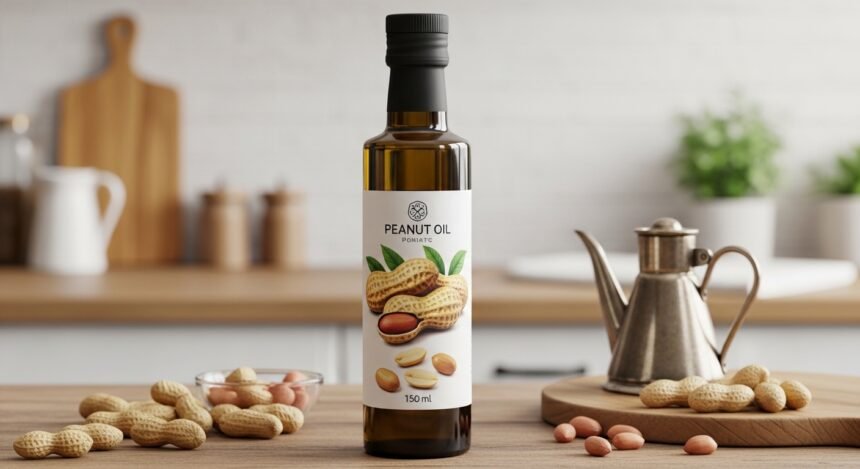
Peanut oil pressing is an ancient culinary art that has recently seen a resurgence among health enthusiasts and home cooks. Creating your own oil ensures purity, flavour, and the retention of vital nutrients often lost in industrial processing.
Whether you are a gardener with a surplus of crops or a culinary adventurer seeking the perfect homemade nutty oil, understanding the mechanics of extraction is essential. This guide covers the science, equipment, and step-by-step methods for producing high-quality groundnut oil in your own kitchen.
Overview
Peanut oil, also known as groundnut oil, is a staple in many global cuisines, particularly in Asian and African cooking. It is prized for its high smoke point and neutral to slightly nutty flavour.
Commercial oils are often extracted using chemical solvents like hexane to maximise yield. By contrast, home oil extraction relies on mechanical pressure. This results in a cleaner product, free from chemical residues, though often with a slightly lower yield.
Pressing oil at home allows you to control the input materials. You can choose specific peanut varieties, such as Spanish Peanuts: Small Size, Big Flavour and High Oil Content, which are renowned for their high oil percentages. Alternatively, you might prefer the subtle sweetness found in A Guide to Valencia Peanuts: Sweetness and Nutrition Profile.
Beyond culinary uses, the oil has dermatological applications. Many people explore peanut oil benefits for skin, using it as a natural moisturiser due to its Vitamin E content.
Understanding the Basics: Why Press Your Own?
Before investing in a cold press peanut oil machine, it is helpful to understand the science behind the oil and why the source material matters.
The Nutritional Profile
Peanut oil is rich in monounsaturated fats (MUFAs) and polyunsaturated fats (PUFAs), specifically oleic and linoleic acid. According to the British Heart Foundation, replacing saturated fats with unsaturated fats can help lower cholesterol levels.
Unlike refined commercial oils, unrefined groundnut oil retains higher levels of antioxidants, including phytosterols and resveratrol. Resveratrol is a compound also found in red wine and has been studied for its potential heart health benefits, as noted by the National Institutes of Health (NIH).
Choosing the Right Nut
The quality of your oil is directly dependent on the quality of your peanuts. If you are growing your own, ensuring you use the best starting material is key. You can learn more about sourcing quality seeds in our guide on Growing Your Own: Best Practices for Organic Peanut Seeds.
Ideally, you want peanuts with a high fat content. While you can use standard runners, specific varieties yield better results. For those interested in maximising the health potential, you might consider pressing Red Skin Peanuts: Antioxidant Benefits and Culinary Uses, as the skins contain high concentrations of phenolic compounds.
The Role of Moisture
One of the most critical factors in peanut oil pressing is peanut moisture content. If the nuts are too damp, the press may produce a paste (peanut butter) rather than oil. If they are too dry, the machine may jam or produce very little oil. Generally, a moisture content of around 5-7% is optimal for mechanical pressing.
The Extraction Process
Turning solid nuts into liquid gold requires preparation, the right tools, and patience. This section outlines the management of the pressing process.
1. Preparation and Roasting
Start by shelling your peanuts. If you have a garden, you may already be familiar with Essential Peanut Harvesting Tools for Small-Scale Growers to get your crop out of the ground efficiently. Ensure the nuts are clean and free of mould.