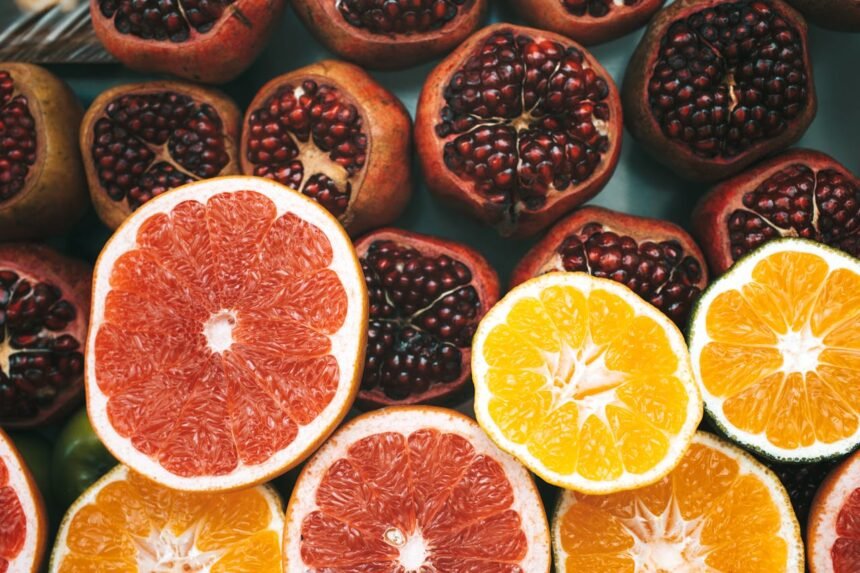
Grapefruit is often celebrated for its tangy flavour and high vitamin C content, but its nutritional profile extends far beyond immune support. For those looking to improve their digestive health and metabolic stability, the grapefruit fibre content is a compelling reason to include this citrus fruit in a balanced diet.
While it has historically been associated with fad diets, modern nutritional science confirms that grapefruit is a legitimate powerhouse for health. Its unique combination of soluble fibre, water, and antioxidants makes it a superior choice for weight management and heart health.
This article explores why grapefruit is an excellent source of dietary fibre, the science behind its benefits, and how to consume it safely.
The Importance of Dietary Fibre
Before delving into grapefruit specifically, it is essential to understand why fibre is crucial for the human body. Dietary fibre is a type of carbohydrate found in plant foods that the body cannot digest or absorb. Unlike other carbs, which are broken down into sugar molecules, fibre passes through the body relatively intact.
There are two primary types of fibre:
- Soluble fibre: Dissolves in water to form a gel-like material. It can help lower blood cholesterol and glucose levels.
- Insoluble fibre: Promotes the movement of material through your digestive system and adds bulk to stool.
Most plant-based foods contain a mixture of both, and grapefruit is no exception. However, it is particularly noted for its pectin content, a form of soluble fibre that provides significant health advantages.
According to the NHS, the average adult in the UK eats only about 18g of fibre a day, significantly less than the recommended 30g. Incorporating fruits like grapefruit can help bridge this gap.
Nutritional Breakdown of Grapefruit
To understand the value of grapefruit fibre content, we must look at the raw data. Grapefruit offers a high return on investment regarding nutrients per calorie. It allows you to feel satiated without consuming a large amount of energy.
Here is a breakdown of the nutritional profile for half a medium-sized grapefruit (approx. 123g):
| Nutrient | Amount |
|---|---|
| Calories | 52 |
| Total Carbohydrates | 13g |
| Dietary Fibre | 2g |
| Vitamin C | 39mg |
| Vitamin A | 92mcg |
| Potassium | 166mg |
While 2 grams of fibre may initially seem modest, it is significant relative to the calorie count. Furthermore, the type of fibre found in grapefruit is highly potent.
For a more comprehensive look at nutritional data, the USDA FoodData Central provides extensive breakdowns of various citrus fruits.
The Power of Pectin
The primary source of soluble fibre in grapefruit is pectin. Pectin is a complex carbohydrate found in the cell walls of plants. In the digestive tract, pectin interacts with water to form a viscous gel.
1. Cholesterol Reduction
This gel formation is critical for heart health. As it moves through the intestines, soluble fibre binds to cholesterol particles and bile acids, preventing them from being absorbed into the bloodstream. The body then excretes these bound particles.
Because the liver needs cholesterol to produce more bile, it pulls cholesterol from the blood, effectively lowering LDL (bad) cholesterol levels. Research from the British Heart Foundation supports the link between soluble fibre intake and reduced cardiovascular risk.
2. Blood Sugar Regulation
The viscosity of pectin also slows down digestion. This means that sugars contained in the fruit (and the rest of your meal) are absorbed more slowly into the bloodstream. Consequently, grapefruit has a low Glycaemic Index (GI), preventing rapid spikes in blood sugar and insulin.
Benefits for Weight Management
One of the most researched areas regarding grapefruit is its effect on weight loss. While the “magical fat-burning enzymes” of the 1970s diets were largely exaggerated, the mechanisms involving fibre and water volume are scientifically sound.
Satiety and Volume
Fibre induces feelings of fullness. Because grapefruit is approximately 88% water, it provides significant volume in the stomach. When combined with the grapefruit fibre content, this volume signals to the brain that you are full, helping to reduce overall calorie intake.
A study published in the Journal of Medicinal Food observed that participants who ate half a fresh grapefruit before meals lost significantly more weight than the placebo group over 12 weeks.
Metabolic Health
Beyond simple calorie reduction, the fibre in grapefruit supports a healthy gut microbiome. A healthy gut is increasingly linked to a healthy metabolism. By feeding the beneficial bacteria in the colon, grapefruit fibre aids in the production of short-chain fatty acids, which play a role in regulating metabolism and inflammation.
Comparing Varieties: White vs. Pink vs. Red
Is there a difference in fibre content between the different colours of grapefruit? Generally, the grapefruit fibre content remains relatively consistent across varieties, usually hovering between 1.5g to 2.5g per half fruit depending on size.
However, the micronutrient profiles differ:
- White Grapefruit: Tends to be slightly more acidic and may contain slightly less vitamin A.
- Pink and Ruby Red Grapefruit: These obtain their colour from lycopene, a powerful antioxidant. They generally contain higher levels of Vitamin A and are often sweeter, which may make them more palatable for those trying to increase their fibre intake.
Regardless of the variety, consuming the fruit whole (flesh and pulp) is essential. Healthline notes that juicing removes the vast majority of the fibre, negating many of the metabolic benefits discussed here.

Risks and Considerations
While increasing your fibre intake via grapefruit is generally beneficial, it is unique among fruits due to its interaction with medications. This is a critical consideration for many people.
The Grapefruit Effect
Grapefruit contains compounds called furanocoumarins. These compounds inhibit the CYP3A4 enzyme in the small intestine. This enzyme is responsible for metabolising (breaking down) many common medications.
When the enzyme is blocked, more of the drug enters your bloodstream than intended, which can lead to overdose or adverse side effects. Drugs commonly affected include:
- Statins (cholesterol-lowering drugs)
- Calcium channel blockers (blood pressure)
- Certain immunosuppressants
- Some anti-anxiety medications
The Mayo Clinic advises checking with your doctor or pharmacist if you are taking prescription medication before adding grapefruit to your regular diet.
Digestive Sensitivity
Sudden increases in fibre intake can sometimes cause bloating or gas, particularly for those with Irritable Bowel Syndrome (IBS). It is advisable to increase fibre intake gradually and ensure you are drinking plenty of water.
Practical Tips to Increase Intake
If you have determined that grapefruit is safe for you, here are practical ways to maximise the grapefruit fibre content in your diet without relying solely on eating it plain with a spoon.
1. The Broiled Breakfast
Sprinkle half a grapefruit with a touch of cinnamon (or a very small amount of brown sugar) and grill (broil) it for 2-3 minutes. The heat breaks down the cell walls slightly, making the juice more accessible while keeping the fibre intact. Cinnamon also aids in blood sugar control.
2. Citrus Salads
Peel the grapefruit and segment it, removing the bitter white pith if you prefer, though the pith is high in fibre and antioxidants. Toss the segments into a salad with spinach, avocado, and walnuts. The fat from the avocado helps your body absorb the fat-soluble vitamins (A and E) in the grapefruit.
3. Savoury Salsa
Finely chop grapefruit segments and mix with red onion, jalapeño, coriander (cilantro), and lime juice. serve this over grilled salmon or chicken. This adds bulk and fibre to a protein-heavy meal.
4. Smoothies
Blend peeled grapefruit segments into your morning smoothie. Unlike juicing, blending retains the pulp and the pectin. It pairs well with banana and strawberry to offset the tartness.
For more ideas on fibre-rich diets, Harvard Health offers excellent resources on plant-based nutrition.
The Bottom Line
Grapefruit is a nutrient-dense fruit that serves as an excellent source of dietary fibre, specifically soluble pectin. Its ability to aid in cholesterol reduction, blood sugar regulation, and weight management makes it a valuable addition to a healthy lifestyle.
The grapefruit fibre content, combined with its high water volume, helps you feel full longer while providing essential vitamins and antioxidants. However, due to its interaction with certain enzymes, it is vital to consult a healthcare professional regarding medication interactions.
By incorporating whole grapefruit into salads, breakfasts, or snacks, you can easily boost your fibre intake and support your long-term digestive and cardiovascular health.
Disclaimer: This article is for informational purposes only and does not constitute medical advice. Always consult with a healthcare professional before making significant changes to your diet, especially if you are taking prescription medications.