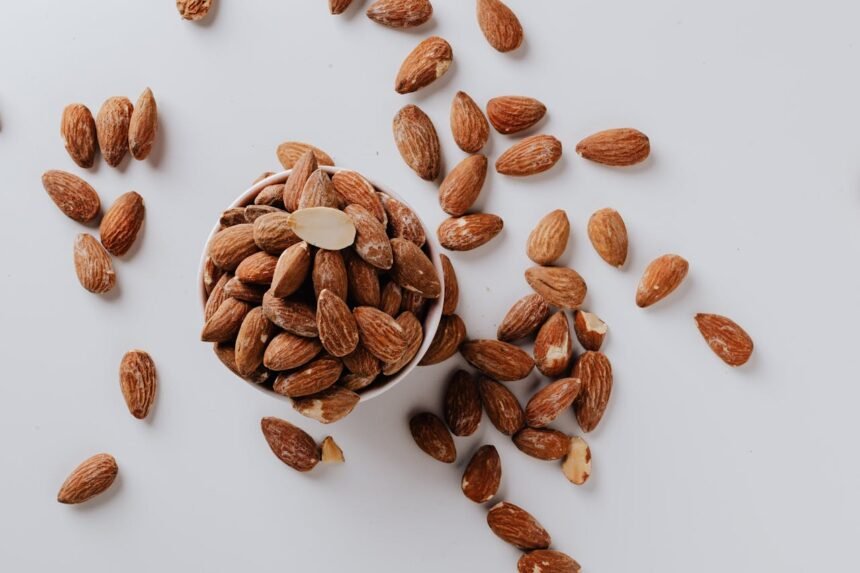
Almonds have cemented their status as a pantry staple in households worldwide, celebrated not only for their satisfying crunch but for their impressive nutritional profile. Whether you enjoy them raw, roasted, soaked, or as a butter, these tree nuts are frequently touted as a superfood capable of supporting heart health, weight management, and metabolic function. However, because they are calorically dense and rich in fats, portion control is often a source of confusion.
Understanding exactly how many almonds you should eat per day is crucial to reaping their benefits without inadvertently sabotaging your dietary goals. While they are packed with essential vitamins and minerals, eating them without limit can lead to caloric surpluses and potential digestive discomfort. This guide explores the scientific consensus on the ideal daily intake of almonds.
Overview
Almonds are the edible seeds of the Prunus dulcis tree, more commonly commonly known as the almond tree. They are native to the Middle East but are now largely produced in the United States, specifically California. Nutritionally, they are a powerhouse, offering a dense concentration of monounsaturated fats, fiber, protein, and various important micronutrients.
Most nutritionists and health organizations recommend a daily serving size of roughly 1 ounce (28 grams). This portion size strikes a balance, providing significant health benefits while keeping calorie intake moderate. Consuming this amount regularly has been associated with reduced risks of cardiovascular disease and improved blood sugar control.
Quick Facts
- Serving Size: A standard serving is 1 ounce, which equates to about 23 almonds.
- Calories: One serving contains approximately 164 calories.
- Macronutrients: Rich in healthy fats, protein, and dietary fiber.
- Key Micronutrients: Excellent source of Vitamin E, Magnesium, and Manganese.
- Best For: Snacking, heart health, and blood sugar regulation.
The Nutritional Profile of Almonds
To understand why the recommended limit exists, it is helpful to look at what is inside a single handful of nuts. Almonds are highly energy-dense, meaning they pack a significant number of calories into a small volume. This is characteristic of most nutrient-dense foods that contain high amounts of healthy fats.
According to the USDA FoodData Central, a standard 1-ounce serving (23 whole kernels) provides:
- Calories: 164
- Fat: 14 grams (mostly monounsaturated)
- Protein: 6 grams
- Carbohydrates: 6 grams
- Fiber: 3.5 grams
- Vitamin E: 37% of the RDI
- Manganese: 32% of the RDI
- Magnesium: 20% of the RDI
The fat content in almonds is primarily monounsaturated fat, the same heart-healthy type found in olive oil. These fats are essential for reducing inflammation and maintaining healthy cholesterol levels. Furthermore, the protein and fiber content make almonds a fantastic option for those following a plant-based protein diet, providing satiety that can prevent overeating later in the day.
The Ideal Serving Size: The “23 Almonds” Rule
The magic number often cited by dietitians is 23. This is the approximate number of kernels in one ounce (28 grams). Sticking to this limit ensures you consume around 160–170 calories, which fits perfectly into a standard snack allotment for most adults.
Why is portion control so strict with nuts? It comes down to the caloric density. While the fats are healthy, they are still fats, which contain 9 calories per gram—more than double the calories found in proteins or carbohydrates. Mindlessly snacking directly from a large bag can easily lead to consuming 300 to 500 calories in a single sitting, which may hinder weight loss efforts. To manage this, we recommend pre-portioning your nuts into small containers or bags to maintain strict weight management strategies.
Research published by the American Heart Association suggests that substituting saturated fats (like those found in chips or processed snacks) with the unsaturated fats found in nuts leads to better cardiovascular outcomes. Therefore, the 1-ounce serving is not just a calorie limit; it is a therapeutic dose for your heart.
Health Benefits of Eating Almonds Daily
Consuming your daily ounce of almonds offers a multitude of systemic health benefits. From your heart to your gut, the impact of these seeds is supported by extensive medical literature.
1. Massive Dose of Antioxidants
Almonds are a fantastic source of antioxidants, most of which are concentrated in the brown layer of the skin. These compounds help protect your cells against oxidative stress, a major contributor to inflammation and aging. Specifically, almonds are one of the world’s best sources of Vitamin E. Adequate intake of Vitamin E sources has been linked to lower rates of heart disease and Alzheimer’s disease.
A study found in the National Institutes of Health (NIH) PubMed database indicates that high Vitamin E intake from dietary sources is correlated with reduced risk of coronary heart disease, validating the daily consumption of almonds as a preventative measure.
2. Blood Sugar Regulation
Nuts are low in carbs but high in healthy fats, protein, and fiber, making them a perfect choice for people with diabetes. However, the secret weapon in almonds is magnesium. Magnesium is a mineral involved in more than 300 bodily processes, including blood sugar control.
Current research suggests that a significant portion of type 2 diabetics are deficient in magnesium. Correcting this deficiency by eating high-magnesium foods like almonds can lower blood sugar levels and improve insulin function. If you are struggling with metabolic issues, integrating almonds is a smart dietary move.
3. Cholesterol and Blood Pressure Benefits
High LDL (bad) cholesterol is a known risk factor for heart disease. Studies cited by the Mayo Clinic have shown that eating almonds can effectively lower LDL cholesterol while maintaining or raising HDL (good) cholesterol. Additionally, the magnesium in almonds may help lower blood pressure levels, offering a dual-pronged approach to heart health tips and maintenance.
Can You Eat Too Many Almonds?
While almonds are undeniably healthy, the phrase “too much of a good thing” applies here. Exceeding the recommended 1-ounce serving significantly can lead to several adverse effects.
Caloric Surplus and Weight Gain
The most immediate risk is weight gain. Adding an extra 300 to 500 calories of nuts to your diet without reducing calories elsewhere will lead to weight gain over time. The Centers for Disease Control and Prevention (CDC) emphasizes that energy balance is key to maintaining a healthy weight. While the metabolism of nuts is unique—some fat is not fully absorbed—consistently overeating them contributes to a caloric surplus.
Digestive Issues
Almonds are fiber-rich. If your body is not accustomed to a high fiber diet, suddenly consuming large quantities of almonds can cause bloating, gas, and cramping. Hydration is essential when increasing fiber intake to help move bulk through the digestive system.
Vitamin E Toxicity
While rare, it is possible to overdose on Vitamin E if you are consuming massive amounts of almonds in conjunction with fortified foods or supplements. The Tolerable Upper Intake Level for Vitamin E is 1,000 mg per day for adults. While you would need to eat hundreds of almonds to reach this, it is worth noting for those on heavy supplementation regimens.
Oxalates and Kidney Stones
Almonds are high in oxalates, antinutrients that can bind with calcium and form kidney stones. For individuals with a history of calcium oxalate stones, nephrologists often recommend limiting high-oxalate foods. If you are prone to stones, consult our guide on kidney stone prevention or speak with a healthcare provider. The National Kidney Foundation provides specific guidelines for managing oxalate intake for renal patients.
Soaked, Raw, or Roasted?
Does the preparation method matter? Yes. Raw almonds are strictly unprocessed, retaining all their natural nutrients. However, the skin contains phytic acid, an antinutrient that impairs the absorption of iron, zinc, and calcium. Soaking almonds for 8–12 hours (sprouting) can reduce phytic acid levels and make the nutrients more bioavailable, potentially aiding digestion.
Roasted almonds are delicious but may have slightly reduced vitamin content due to heat exposure. Furthermore, commercially roasted nuts are often cooked in unhealthy seed oils or coated in excessive salt and sugar. Always check the label. The FDA requires labeling of added ingredients, so look for “dry roasted” or raw options to avoid hidden unhealthy fats.
Incorporating Almonds into Your Diet
If you find it difficult to stop at just 23 almonds, try incorporating them into meals rather than eating them as a standalone snack. Here are effective ways to add them to your macronutrients guide without overindulging:
- Breakfast: Sprinkle sliced almonds over oatmeal or Greek yogurt for added texture and healthy fats.
- Salads: Use slivered almonds as a crouton alternative to add crunch to leafy greens.
- Smoothies: Add a tablespoon of almond butter to your post-workout shake for a boost of magnesium.
- Baking: Substitute refined white flour with almond flour for a gluten-free, lower-carb option.
By using almonds as an ingredient rather than a primary snack, you naturally limit the volume you consume while still obtaining the nutrient benefits.
The Weight Loss Paradox
It seems counterintuitive that a high-fat food aids weight loss, yet studies consistently show that frequent nut eaters tend to be leaner. This is likely due to satiety. The combination of protein, fiber, and fat makes almonds incredibly filling. A study highlighted by the Harvard T.H. Chan School of Public Health suggests that chewing almonds thoroughly breaks down cell walls, allowing for better nutrient release, but some fat remains trapped in the fibrous structure and passes through the body undigested. This means you may absorb fewer calories than the nutrition label states.
This mechanism highlights the importance of whole foods over processed foods. Eating whole almonds results in greater satiety compared to almond butter or oil, supporting your weight management strategies more effectively.
The Bottom Line
So, how many almonds should you eat per day? The consensus among nutrition experts is clear: aim for 1 ounce, or approximately 23 almonds, per day.
This amount provides a robust dose of protein, fiber, healthy monounsaturated fats, and essential Vitamin E without tipping the scale on calorie intake. Regular consumption can lower your risk of heart disease, improve blood lipid profiles, and help regulate blood sugar.
However, moderation is paramount. Due to their high calorie density and oxalate content, mindless snacking can lead to weight gain and potential kidney issues for sensitive individuals. To maximize benefits, opt for raw or dry-roasted, unsalted varieties and consider soaking them to improve digestibility.
According to the World Health Organization (WHO), a healthy diet includes nuts and legumes as primary sources of protein and fat. By sticking to the 23-almond guideline, you can enjoy this crunchy superfood as a cornerstone of a balanced, health-conscious lifestyle.