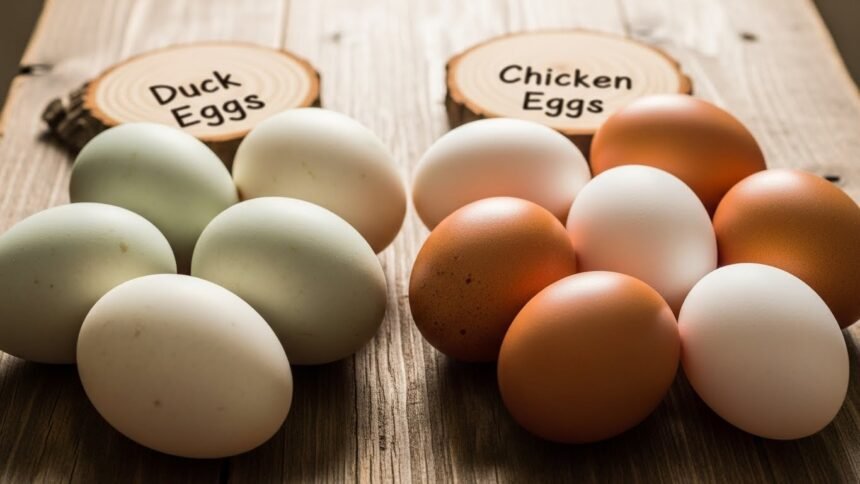
Whether poached, scrambled, or fried, eggs are a quintessential staple in kitchens across the United Kingdom. For decades, the humble chicken egg has reigned supreme, finding its way into everything from quick breakfasts to elaborate bakes. However, if you frequent local farmers’ markets or health food shops, you may have noticed a larger, paler alternative sitting on the shelf: the duck egg.
While they might look similar at a glance, duck eggs and chicken eggs offer distinctly different nutritional profiles, tastes, and culinary applications. As interest in diverse protein sources grows, many people are left wondering if they should make the switch.
Are duck eggs simply a larger version of the chicken egg, or do they offer superior health benefits? Understanding the nuances between these two options is essential for making informed dietary choices. According to Healthline, exploring the proven health benefits of eggs is a great starting point, but today we are specifically diving into how the duck variety stacks up against the standard chicken egg.
What Are Duck Eggs?
At their most basic level, duck eggs are exactly what they sound like: eggs laid by ducks rather than chickens. However, their physical characteristics set them apart immediately. A typical duck egg is roughly 50% larger than a large chicken egg. While a standard large chicken egg weighs about 50 grams, a duck egg usually tips the scales at around 70 grams.
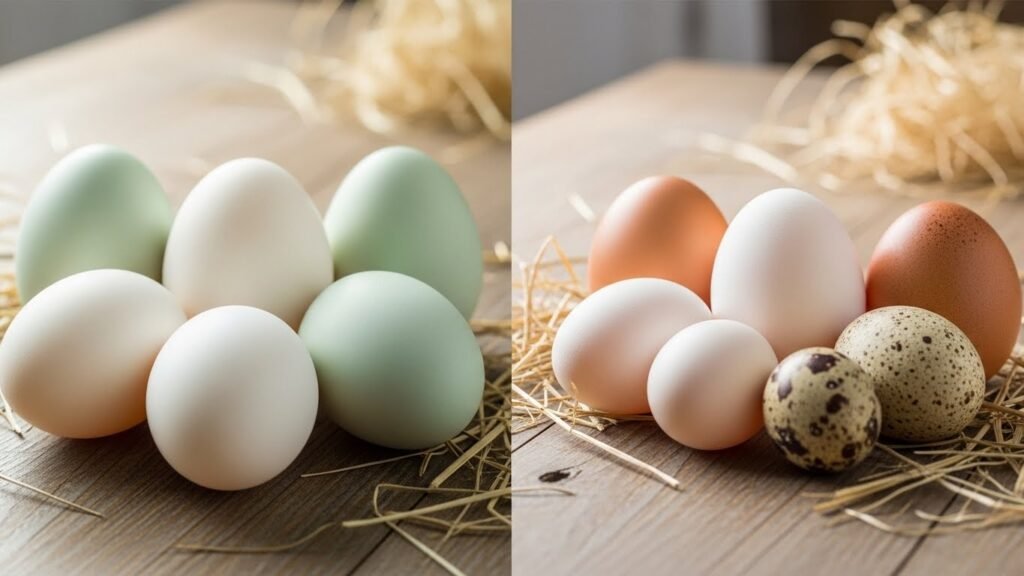
The shell of a duck egg is visibly different as well. It is often thicker and harder to crack, which gives the egg a longer shelf life by reducing the rate of evaporation and protecting the contents from bacteria. The colour can vary from off-white to pale blue or green, depending on the breed of the duck.
Inside the shell, the differences continue. Duck eggs possess a much larger yolk-to-white ratio. The yolk is a deep, rich orange, significantly more vibrant than the pale yellow often found in supermarket chicken eggs. The white (albumen) is clearer and more viscous, lacking the slight yellow tint sometimes seen in chicken egg whites.
Nutritional Breakdown: A Detailed Look
When analysing the nutritional value of duck eggs versus chicken eggs, it is important to look beyond just the size difference. Duck eggs are far more nutrient-dense, calorie for calorie.
Macronutrients
Protein is a primary reason people consume eggs. Duck eggs pack a serious punch here. Because the albumen is more concentrated, a single duck egg provides roughly 9 grams of high-quality protein, compared to about 6 grams in a chicken egg. This makes them an excellent option for athletes or those looking to increase satiety.
Fat content is also higher in duck eggs, primarily found in that massive yolk. While this means more calories, it also translates to a higher concentration of healthy monounsaturated fats. Maintaining a healthy balanced diet requires understanding these fat sources. The fat composition contributes to the creamier texture that duck eggs are famous for.
Vitamins and Minerals
This is where duck eggs truly shine. They contain higher amounts of almost every vitamin and mineral compared to chicken eggs.
Vitamin B12 is critical for nerve health and red blood cell formation. Duck eggs contain nearly five times the amount of B12 found in chicken eggs. For those concerned about vitamin B12 deficiency, incorporating duck eggs can be a powerful dietary strategy.
Selenium, a potent antioxidant that supports thyroid function and the immune system, is also more abundant in duck eggs. Additionally, you will find higher levels of iron, phosphorus, and Vitamin A, which supports vision and skin health.
Data Comparison Table
To visualise the differences, here is a comparison based on a 100-gram serving (roughly two chicken eggs or one and a half duck eggs).
| Nutrient | Duck Eggs (100g) | Chicken Eggs (100g) |
|---|---|---|
| Calories | 185 kcal | 143 kcal |
| Protein | 12.8 g | 12.6 g |
| Total Fat | 13.8 g | 9.5 g |
| Cholesterol | 884 mg | 373 mg |
| Vitamin B12 | 5.4 µg | 0.89 µg |
| Selenium | 36.4 µg | 30.7 µg |
| Iron | 3.85 mg | 1.75 mg |
| Vitamin A | 194 µg | 160 µg |
Health Benefits and Potential Drawbacks
While the nutrient density of duck eggs is impressive, there are specific health considerations to keep in mind regarding cholesterol, allergies, and safety.
Cholesterol Concerns
The most significant drawback for some consumers is the cholesterol content. Duck eggs contain more than double the cholesterol of chicken eggs. For years, dietary cholesterol was demonised, but modern science suggests that for most people, dietary cholesterol has a minimal impact on blood cholesterol levels.
However, for “hyper-responders” or those with specific genetic conditions, managing your cholesterol levels remains a priority. If you have a history of heart disease, you should consult your GP before making duck eggs a daily habit. Similarly, those living with diabetes should monitor their intake, as some studies suggest a correlation between high egg consumption and cardiovascular risk in diabetic populations.
Allergies and Proteins
Interestingly, some people who are allergic to chicken eggs can tolerate duck eggs. This is because the proteins in the whites (specifically conalbumin and ovalbumin) have slightly different structures.
If you have a diagnosed egg allergy, it is vital to proceed with caution. Cross-reactivity can occur. You should never attempt to switch egg types without medical supervision or proper testing.
Safety and Salmonella
Just like chicken eggs, duck eggs can carry Salmonella. However, because ducks often live in muddier environments than chickens, the risk of external contamination on the shell can be slightly higher. The thickened shell helps, but hygiene is key.
According to the UK government’s advice on handling food safely, you should wash your hands thoroughly after handling raw eggs. While the “British Lion” mark has largely eradicated Salmonella in UK chicken eggs, permitting runny yolks for vulnerable groups, this safety assurance does not automatically extend to all duck eggs. Pregnant women, the elderly, and young children should ensure duck eggs are cooked until both the white and yolk are solid.
Culinary Uses and Flavour Profile
Why do chefs love duck eggs? It all comes down to the fat and protein structure. The higher fat content in the yolk makes them incredibly rich and creamy.
For Baking: Duck eggs are a secret weapon for bakers. The albumen in duck eggs has more protein, which creates a more stable structure. This helps cakes rise higher and stay fluffier. If you need recipe inspiration, try substituting a duck egg in your next sponge cake; the result is often a richer, moister crumb.
For Cooking: When frying or poaching, the larger yolk is a visual and gustatory treat. However, because the water content is lower, they can become rubbery if overcooked. You must cook them gently. The taste is often described as “gamier” or more intense than a chicken egg, which pairs beautifully with strong flavours like smoked bacon or asparagus.
Sourcing: When buying duck eggs, welfare matters. Look for assurance schemes that guarantee higher welfare standards, ensuring the birds have access to open water and space to exhibit natural behaviours.
Scientific Perspectives
Research continues to explore the bioactive compounds in eggs. Some studies suggest that the peptides found in egg whites have antioxidant properties that can support cellular health. While both egg types offer these benefits, the higher concentration of solids in duck eggs suggests they may offer a more potent dose of these beneficial compounds per gram.
Frequently Asked Questions
Are duck eggs more expensive than chicken eggs?
Yes, typically. Ducks lay fewer eggs than chickens and require more feed and space, driving up the production cost. You can expect to pay a premium, often double the price of standard free-range chicken eggs.
Do duck eggs taste fishy?
They should not taste fishy. A fishy taste usually indicates the ducks were fed a diet too high in fish meal or were scavenging in poor environments. High-quality, fresh duck eggs have a rich, creamy, savoury flavour.
Can I substitute duck eggs 1:1 in recipes?
Not exactly. Since duck eggs are larger, a 1:1 substitution can throw off the liquid-to-dry ratio in baking. A good rule of thumb is to weigh your eggs or use two duck eggs for every three chicken eggs.
The Bottom Line
Duck eggs are a nutritional powerhouse, offering significantly more protein, healthy fats, and essential vitamins like B12 compared to their chicken counterparts. Their rich flavour and superior baking properties make them a favourite among food enthusiasts and chefs alike.
However, they are not for everyone. The higher cholesterol content warrants moderation for individuals with specific heart health concerns, and the cost can be prohibitive for daily consumption. Additionally, safety hygiene regarding cooking thoroughness is paramount for vulnerable groups.
If you are looking to vary your diet, boost your B12 intake, or elevate your weekend brunch, swapping in a duck egg is a delicious, healthy choice. Just remember to cook them with care and enjoy the richness they bring to your plate.