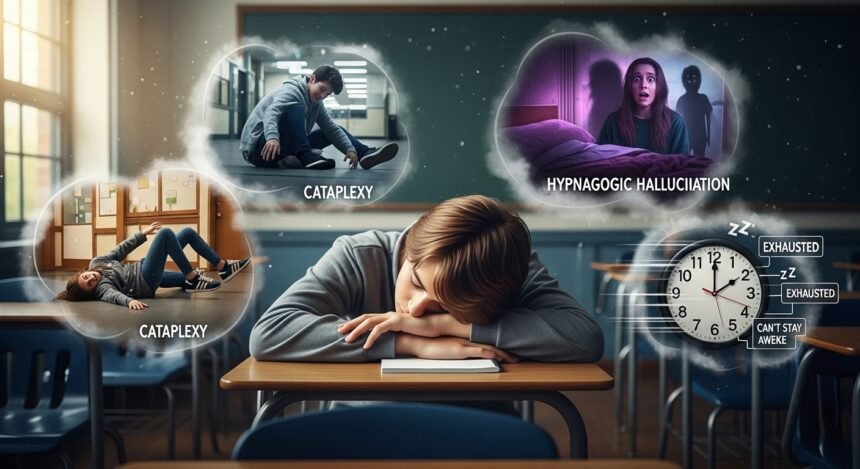
Narcolepsy is a rare, long-term brain condition that affects the sleep-wake cycle. While often misunderstood as simply falling asleep mid-conversation, it is a complex neurological disorder. For teenagers, the onset of this condition can be particularly confusing and disruptive. It can severely impact academic performance, social relationships, and emotional well-being. Recognising the symptoms of narcolepsy in teens early is vital for securing a proper diagnosis and management plan.
Many parents initially mistake the signs for typical teenage behaviour, such as staying up too late or general laziness. However, narcolepsy is a physiological inability to regulate sleep boundaries. This article explores the early signs, the diagnostic process, and practical ways to manage the condition.
Excessive Daytime Sleepiness (EDS)
The most prominent symptom is Excessive Daytime Sleepiness (EDS). A teen with narcolepsy will experience an overwhelming urge to sleep during the day, regardless of how much rest they had the night before. This is not merely feeling tired; it is a profound physical necessity that can strike at inappropriate times, such as during a lesson or a meal.
EDS is often the first symptom to appear. It can lead to ‘micro-sleeps’, where the teen falls asleep for a few seconds without realising it. According to the NHS, this persistent drowsiness is the most debilitating aspect of the disorder for many patients.
Cataplexy: Sudden Muscle Weakness
Cataplexy is a sudden, temporary loss of muscle tone triggered by strong emotions. It is a specific indicator of Type 1 Narcolepsy. Triggers usually include laughter, surprise, or even anger.
In teenagers, cataplexy might present subtly:
- Knees buckling slightly when laughing at a joke.
- The jaw dropping or head drooping unexpectedly.
- Slurred speech lasting for a few seconds.
Unlike a seizure, the person remains fully conscious during a cataplexy attack. It can be frightening, but understanding it is key to management.
Sleep Paralysis and Hallucinations
The boundary between being awake and asleep is blurred in narcolepsy. This often results in frightening phenomena. Understanding sleep paralysis causes and prevention is helpful for teens who feel terrified by these events. Sleep paralysis is the temporary inability to move or speak when falling asleep or waking up.
These episodes are often accompanied by hypnagogic hallucinations. These are vivid, often scary dreams that occur while the person is still technically awake. A teen might see shadows or hear voices in their bedroom. For more on coping with these frightening episodes, read our guide on managing sleep paralysis.
Disrupted Night-Time Sleep
It is a common misconception that people with narcolepsy sleep soundly at night. In reality, their sleep is often fragmented. A teen might frequently ask, “Why do i wake up at 4am and cannot get back to sleep?” This frequent waking contributes to the cycle of exhaustion the following day.
Healthy sleepers cycle through stages smoothly, but narcoleptic sleepers wake up often. Learning how to stay asleep all night is a significant challenge for patients. Techniques to stabilise sleep are a core part of treatment plans.
Automatic Behaviours
Sometimes, a teen may continue an activity while in a semi-conscious state. This is known as automatic behaviour. They might continue writing notes in class or tidying their room but have no memory of doing so later. Their writing may become illegible, or they may put objects in strange places.
Parents may also notice verbal disruptions. If you are searching for how to stop talking in sleep, be aware that excessive sleep talking (somniloquy) can sometimes overlap with the disrupted sleep architecture found in narcolepsy.

The Science: REM vs Deep Sleep
To understand why these symptoms occur, one must look at the sleep cycle. There is a critical difference between REM and deep sleep regarding brain activity.
- Deep Sleep (NREM): This is the restorative phase where the body repairs tissues and strengthens the immune system.
- REM Sleep: This is where dreaming occurs, and the brain is highly active, but muscles are paralysed.
In a typical person, REM sleep happens about 90 minutes after falling asleep. In a teen with narcolepsy, they may enter REM sleep within minutes. This rapid entry explains why dream elements (like hallucinations and paralysis) intrude upon wakefulness. You can learn more about sleep cycles here.
Getting a Diagnosis
If you suspect narcolepsy, visit a GP immediately. They will look for other causes of fatigue, such as anaemia or thyroid issues. If narcolepsy is suspected, they will refer you to a sleep disorder clinic.
Specialists use two main tests:
- Polysomnogram (PSG): An overnight study to monitor brain waves and breathing.
- Multiple Sleep Latency Test (MSLT): This measures how quickly the patient falls asleep during the day.
Doctors will often compare a patient’s history against a sleep deprivation stages timeline to rule out chronic lifestyle-induced fatigue. Reliable information can also be found at the National Institute of Neurological Disorders and Stroke.
Treatment Options
While there is no cure, symptoms can be managed effectively. Treatment typically involves a combination of medication and lifestyle adjustments.
Medication
Doctors may prescribe stimulants (such as modafinil) to boost daytime alertness. For cataplexy, antidepressants are sometimes used because they suppress REM sleep. Always consult the Mayo Clinic or your specialist for the latest drug information.
Scheduled Naps
Strategic napping is a powerful tool. Short, 15 to 20-minute naps can be incredibly refreshing for someone with narcolepsy. Schools should be informed so they can accommodate these rest breaks.
Lifestyle Adjustments for Teens
Beyond medication, daily habits play a huge role. Implementing strict sleep hygiene is essential.
Creating a Sleep Sanctuary
The bedroom environment must promote rest. Read our tips on optimising your bedroom.
- Bedding Comfort: An old or uncomfortable bed makes fragmented sleep worse. Look for signs you need a new mattress, such as sagging springs or waking up with stiffness.
- Sensory Aids: Many teens find comfort in deep pressure therapy. If using one, consult a weighted blanket weight guide to ensure the blanket is approximately 10% of the user’s body weight for safety and comfort.
- Soundscape: Silence isn’t always best. You might experiment with brown noise vs white noise for sleep. Brown noise has lower frequencies and can be more soothing for blocking out irregular background sounds.
Diet and Supplements
What a teen consumes impacts their neurology.
- Alcohol Avoidance: Teens might be tempted to experiment, but they should know the impact of alcohol on sleep quality. Alcohol may induce sleepiness initially but causes severe fragmentation later in the night.
- Magnesium: Some families explore supplements. When debating magnesium glycinate vs citrate for sleep, glycinate is generally suggested for calming the nervous system, whereas citrate is often used for digestive health. Always check with a doctor before adding supplements to a narcolepsy treatment plan.
Routine and Relaxation
Consistency helps regulate the body clock. View our guide on circadian rhythms.
- Light Exposure: Getting morning sunlight for better sleep is scientifically proven. Bright light upon waking helps anchor the circadian rhythm, signalling the brain that the day has begun.
- Stress Reduction: Anxiety worsens symptoms. Practising gentle yoga poses for sleep and relaxation can lower cortisol levels before bed.
Natural Approaches
Parents often ask how to get deep sleep naturally to support medical treatments. Regular exercise (avoided right before bed) and a cool room temperature are effective. Avoiding blue light from phones is also critical. For more advice, check The Sleep Foundation.
Support and Coping
A diagnosis can feel isolating. Teens may worry about being judged. Night-time anxiety is common. It is vital to connect with support groups. Organisations like Patient.info offer excellent resources.
Schools in the UK are required to support students with medical conditions. This might include extra time for exams or permission to record lectures. Johns Hopkins Medicine provides further insights into living with the condition.
The Bottom Line
Narcolepsy is a life-altering condition, but it does not prevent a teen from succeeding. Early detection of the symptoms of narcolepsy in teens allows for effective intervention. By combining medical treatment with lifestyle changes—like optimising light exposure and sleep environments—teens can manage their symptoms. If you recognise these signs, seek professional medical advice immediately.
Further Reading: