Allergies are a growing health concern worldwide, affecting millions of people every year. Two of the most common types are food allergies and seasonal allergies (also called hay fever or allergic rhinitis). While both involve the immune system reacting to harmless substances, their causes, symptoms, triggers, and management approaches differ significantly. This article explains the key differences and similarities between food allergies and seasonal allergies, helping you recognize and manage these conditions effectively.
What Are Food Allergies?
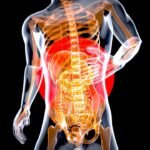
Food allergies occur when the immune system mistakenly identifies certain food proteins as harmful invaders and launches an allergic reaction. Common food allergens include peanuts, tree nuts, milk, eggs, fish, shellfish, soy, and wheat. Upon exposure, symptoms can range from mild to life-threatening anaphylaxis.
According to the American Academy of Allergy, Asthma & Immunology (AAAAI), symptoms usually manifest within minutes to two hours of eating the allergen and include hives, swelling, digestive problems, respiratory difficulties, and in severe cases, anaphylaxis.
What Are Seasonal Allergies?
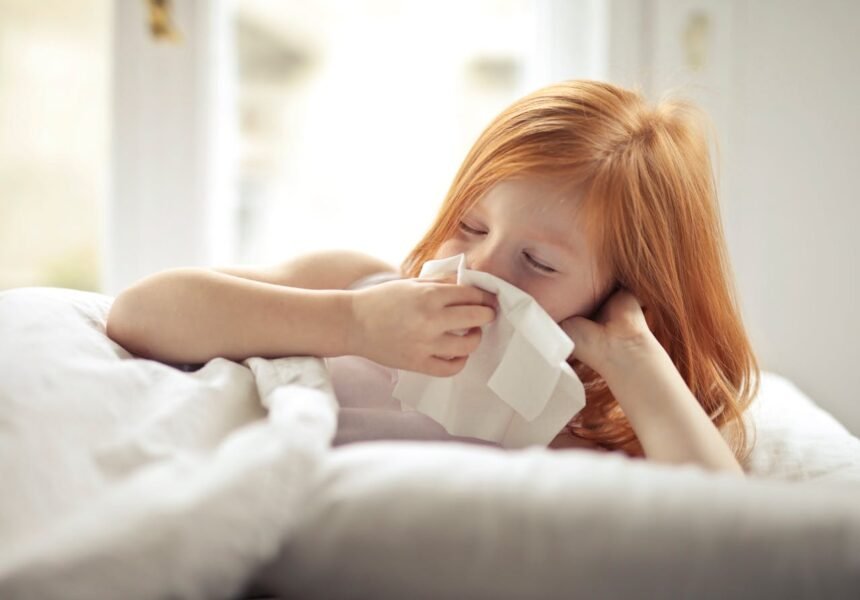
Seasonal allergies result from an immune response to airborne allergens like pollen, mold spores, dust mites, or pet dander. Symptoms typically include sneezing, nasal congestion, runny nose, itchy and watery eyes, and coughing. Seasonal allergies occur in particular times of the year, depending on plant pollination patterns.
The Mayo Clinic notes that symptoms can last from a few weeks to several months during allergy seasons, with severity varying based on exposure and individual sensitivity.
Key Differences Between Food Allergies and Seasonal Allergies
| Feature | Food Allergies | Seasonal Allergies |
|---|---|---|
| Trigger | Specific food proteins | Airborne allergens (pollen, mold, dust) |
| Symptom Onset | Minutes to 2 hours after ingestion | Minutes to hours after allergen exposure |
| Common Symptoms | Hives, swelling, vomiting, anaphylaxis | Sneezing, itchy eyes, nasal congestion |
| Severity | Can be life-threatening (anaphylaxis) | Rarely life-threatening |
| Diagnostic Methods | Skin prick test, blood tests, food challenge | Skin or blood allergy tests, symptom history |
| Treatment | Avoidance, epinephrine injector (EpiPen), antihistamines | Avoidance, antihistamines, nasal corticosteroids |
| Typical Age of Onset | Usually in childhood but can occur anytime | Often starts in childhood or adulthood |
Similarities Between Food and Seasonal Allergies
Both food and seasonal allergies involve IgE-mediated immune responses triggered by exposure to harmless substances. They share common treatments such as antihistamines and avoidance strategies. Both can also impact quality of life through discomfort and limitations in food or outdoor activities.

Managing Food Allergies
For food allergies, strict avoidance of known allergens is crucial. Reading labels, careful meal planning, and educating caregivers and schools is vital. An epinephrine auto-injector should always be accessible for emergency treatment of anaphylaxis.
For detailed guidance, visit the Food Allergy Research & Education (FARE).
Managing Seasonal Allergies
Seasonal allergies are managed through allergen avoidance, medications like antihistamines, decongestants, nasal sprays, and immunotherapy (allergy shots). Monitoring pollen counts and limiting outdoor activity during high pollen days can help reduce symptoms.
For more information, see the Asthma and Allergy Foundation of America (AAFA).
Summary Table: Food Allergies vs Seasonal Allergies Management
| Aspect | Food Allergies | Seasonal Allergies |
|---|---|---|
| Avoidance Strategies | Strict food avoidance, cross-contamination prevention | Staying indoors during high pollen, using air purifiers |
| Emergency Preparedness | Epinephrine auto-injector use | Carrying antihistamines, seeing doctor if severe |
| Long-term Treatment | Allergen immunotherapy in some cases | Allergy shots for desensitization |
| Lifestyle Impact | High, requires constant vigilance | Moderate, varies seasonally |
| Medical Supervision | Regular allergist visits | Seasonal or as needed |
Frequently Asked Questions (FAQ)
Q1: Can you outgrow food or seasonal allergies?
Some children outgrow certain food allergies (e.g., milk, eggs) and seasonal allergies may diminish with age, but many allergies persist lifelong.
Q2: Can food allergies cause respiratory symptoms like seasonal allergies?
Food allergies primarily affect the skin and digestive system but can cause respiratory symptoms in severe cases.
Q3: Are allergy tests reliable for diagnosing both food and seasonal allergies?
Yes, skin prick and blood tests are effective for detecting IgE-mediated allergies but should be interpreted by allergists.
Q4: Is immunotherapy effective for food allergies?
Currently, immunotherapy is mainly used for respiratory allergies, with emerging research on oral immunotherapy for some food allergies.
Q5: What is anaphylaxis and how is it treated?
Anaphylaxis is a severe, potentially life-threatening allergic reaction requiring immediate epinephrine injection and emergency care.
Conclusion
Understanding the distinctions and overlaps between food and seasonal allergies is crucial for appropriate management and improved quality of life. While food allergies demand vigilant avoidance and emergency preparedness, seasonal allergies require mitigation of environmental exposures and medical treatments tailored to symptom severity. Consulting allergists and using reputable sources like AAAAI, Mayo Clinic, and AAFA can provide personalized strategies and current medical advances.
Would you like to proceed with the fifth and final article, “Innovative Treatments for Seasonal Allergies: What’s New in 2025?”
- https://acaai.org/allergies/management-treatment/living-with-allergies/environmental-allergy-avoidance/
- https://my.clevelandclinic.org/health/diseases/8611-environmental-allergies
- https://www.elsevier.es/en-revista-allergologia-et-immunopathologia-105-articulo-avoidance-allergens-as-an-environmental-S0301054619301065
- https://pmc.ncbi.nlm.nih.gov/articles/PMC10587592/
- https://allergyfacts.org.au/how-to-reduce-allergens-hay-fever/
- https://www.aaaai.org/tools-for-the-public/conditions-library/allergies/allergic-rhinitis
- https://www.allergy.org.au/patients/allergy-treatments/allergen-minimisation
- https://aafa.org/allergies/prevent-allergies/control-indoor-allergens/
- https://www.sciencedirect.com/science/article/pii/S1939455122000102